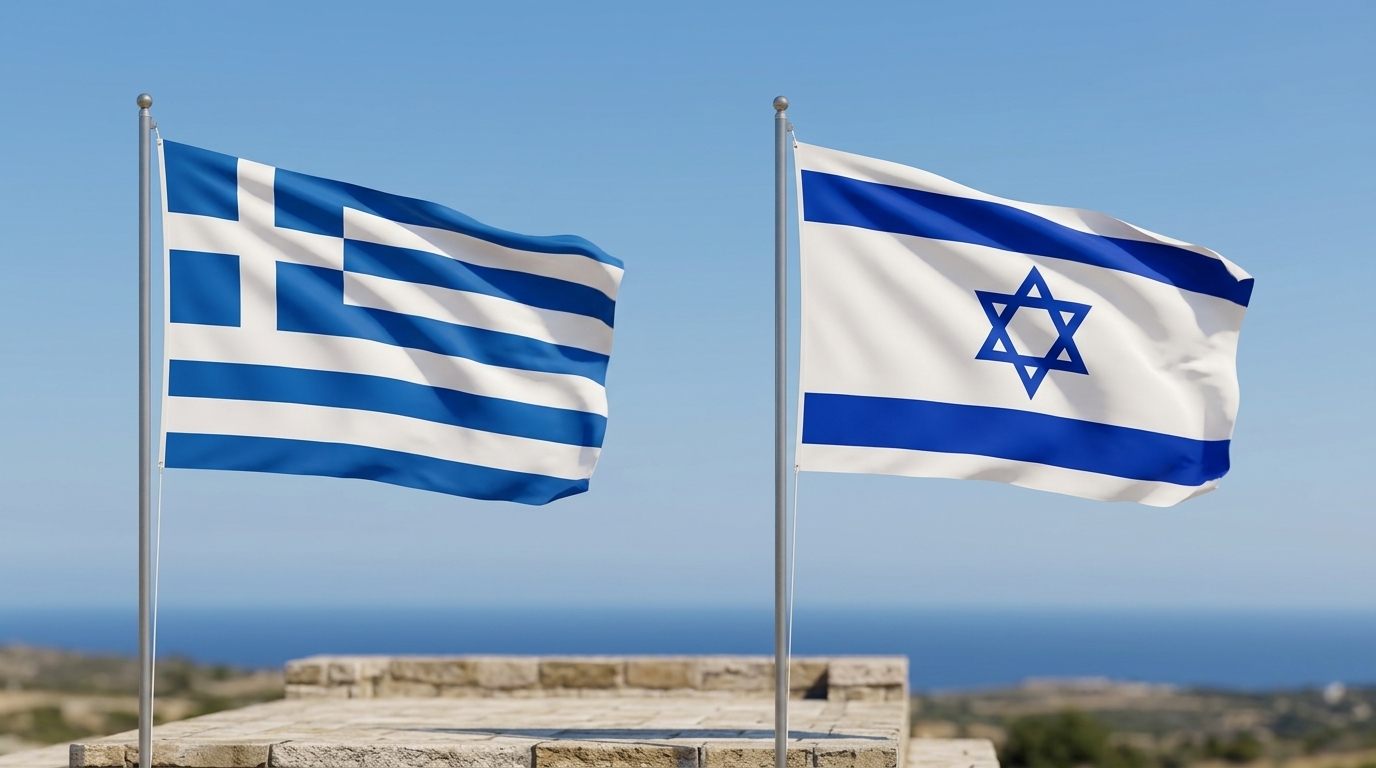
The agreement, described by Israel as its largest-ever defence export deal with Greece and one of the largest in its history, forms part of Athens' broader military modernisation programme.
The system will incorporate multiple layers of air and missile defence, including technologies associated with Israel's Rafael Advanced Defense Systems and Israel Aerospace Industries.
Greece's decision reflects a broader shift in European defence priorities. Governments across the continent have been increasing military spending and seeking more sophisticated systems capable of countering missiles, drones and other forms of aerial attack.
The war in Ukraine and subsequent conflicts in the Middle East have demonstrated the importance of integrated air-defence networks. The ability to protect critical infrastructure, military installations and population centres has become a central component of national security planning.
For Greece, the procurement also carries a regional dimension. Athens has embarked on a wider military modernisation effort partly in response to longstanding tensions with Turkey.
The agreement strengthens Greece's defence relationship with Israel while also expanding industrial and technological cooperation between the two countries.
Israel, meanwhile, is reinforcing its position as a major global defence technology exporter, leveraging operational experience and demand for systems designed to counter drones, missiles and other emerging threats.
Aldrenor Assessment: The Greece-Israel agreement illustrates how European security concerns are translating into long-term procurement commitments. Defence spending is increasingly moving from short-term replenishment towards integrated systems designed for sustained strategic competition.