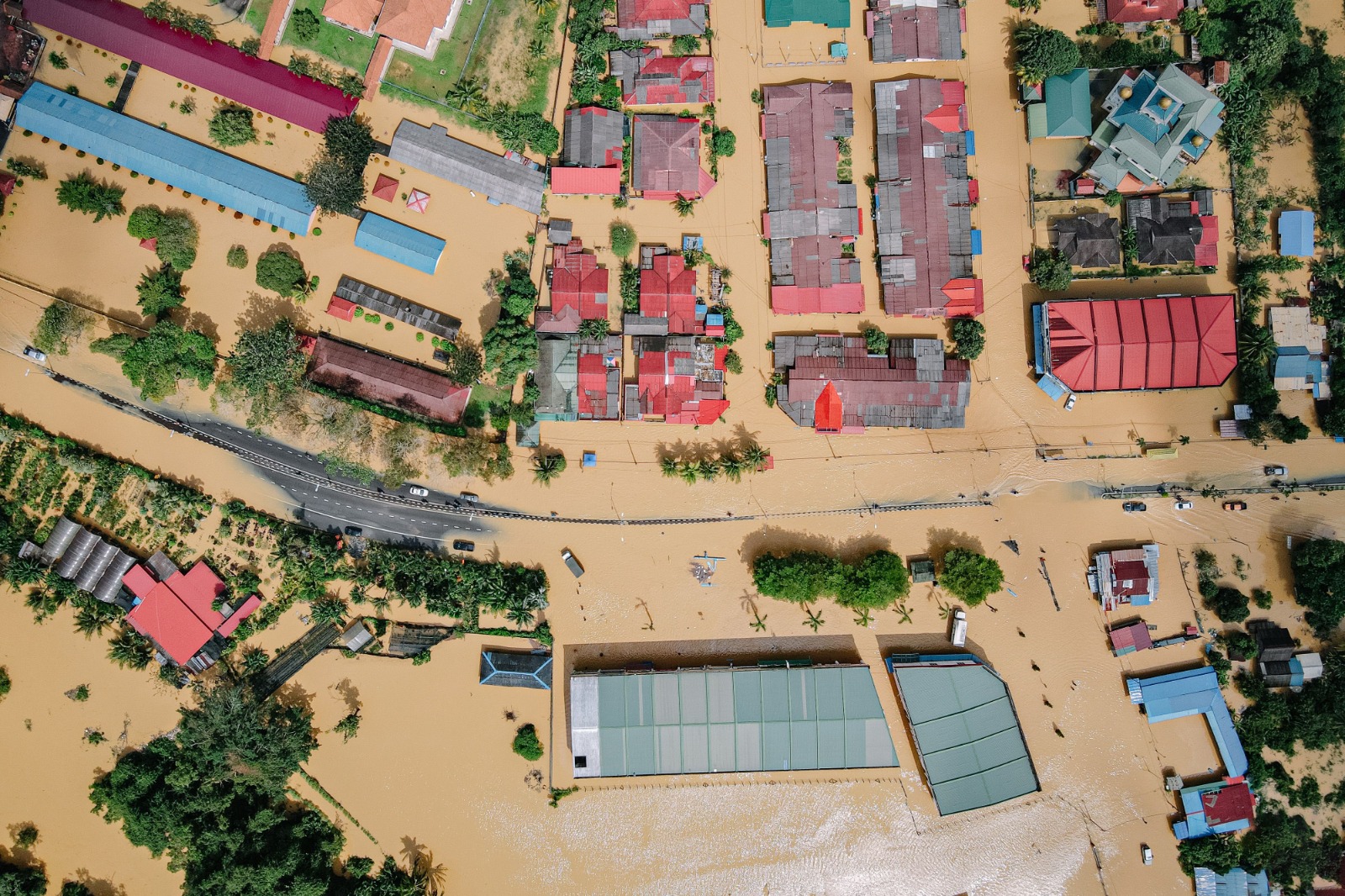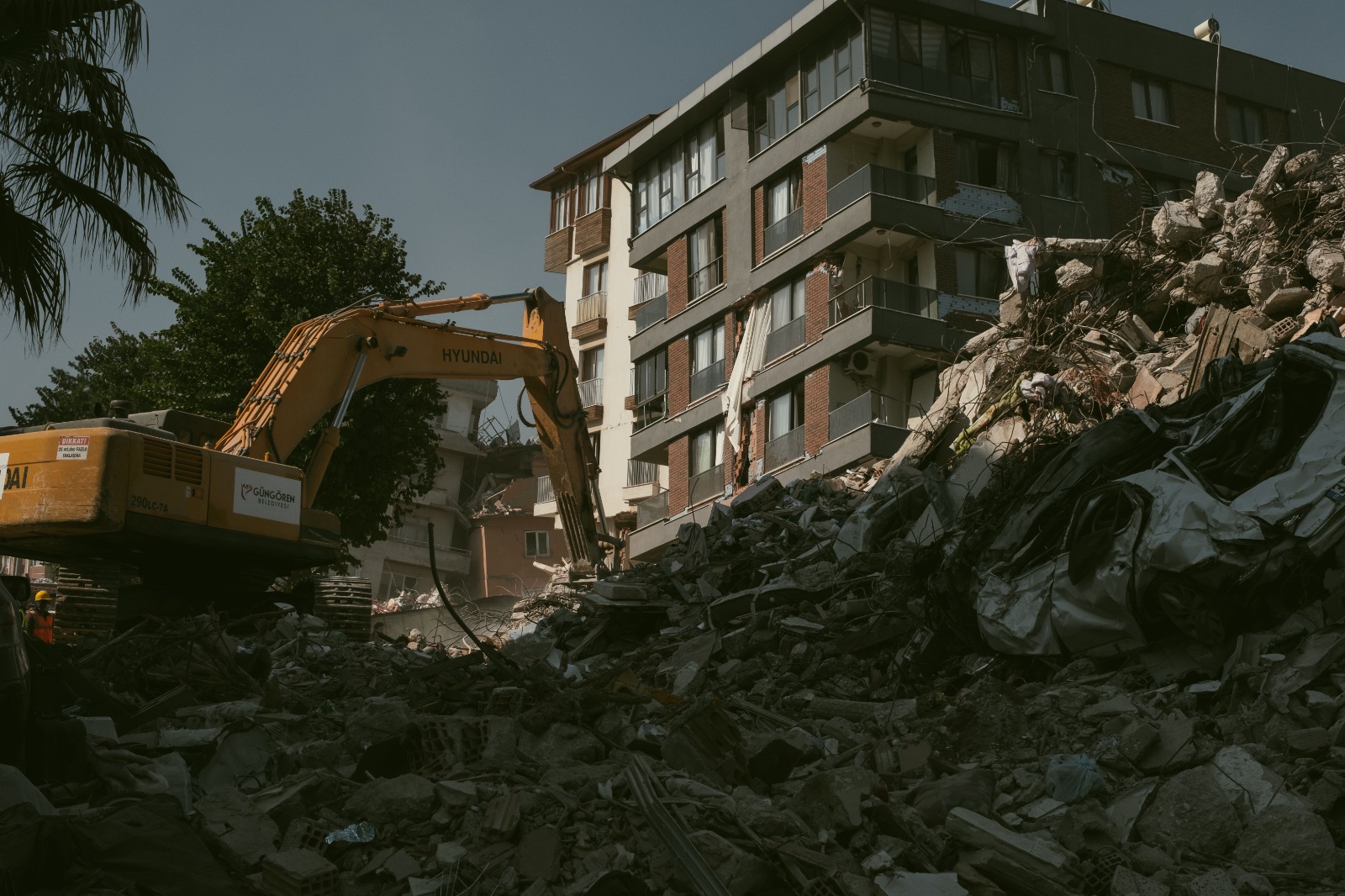
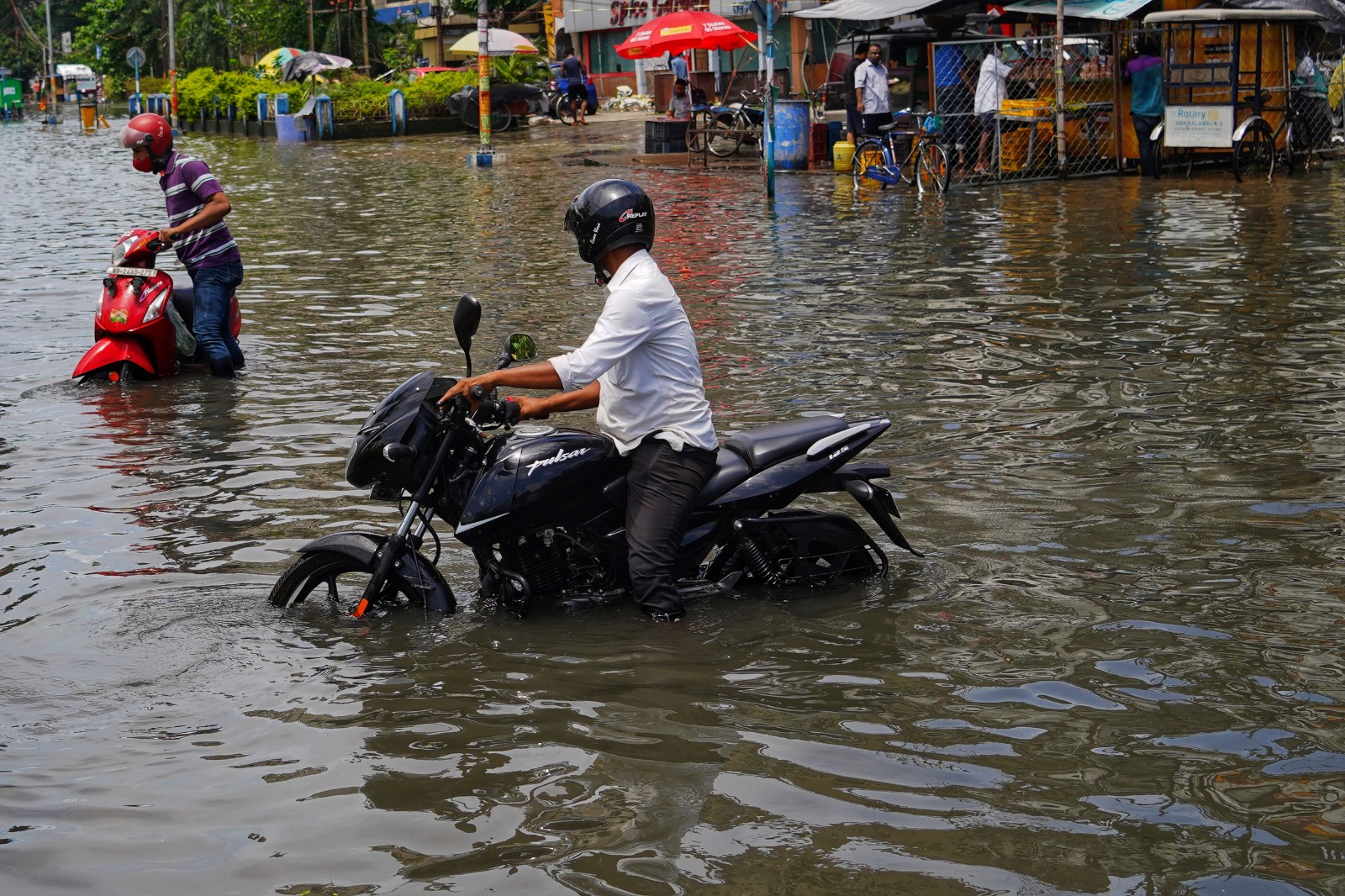
The disaster struck Nepal's Rasuwa district after a suspected earthquake-induced ice-rock avalanche entered the Lhende Khola river. Floodwaters swept away homes, roads, bridges and hydropower facilities, while a major mudslide disrupted infrastructure around China's Gyirong port.
Rescue operations have been complicated by the mountainous terrain, heavy sediment and concerns that an upstream blockage could trigger another surge. Authorities have evacuated vulnerable communities and mobilised security forces, while China has deployed more than 500 rescuers.
The immediate humanitarian toll is being accompanied by an economic disruption that reaches across tourism, trade and infrastructure. At least 348 people, including tourists and foreign workers, were reported missing in one Reuters update, while a broader report identified 384 tourists as missing. The figures remain subject to revision as rescue operations continue.
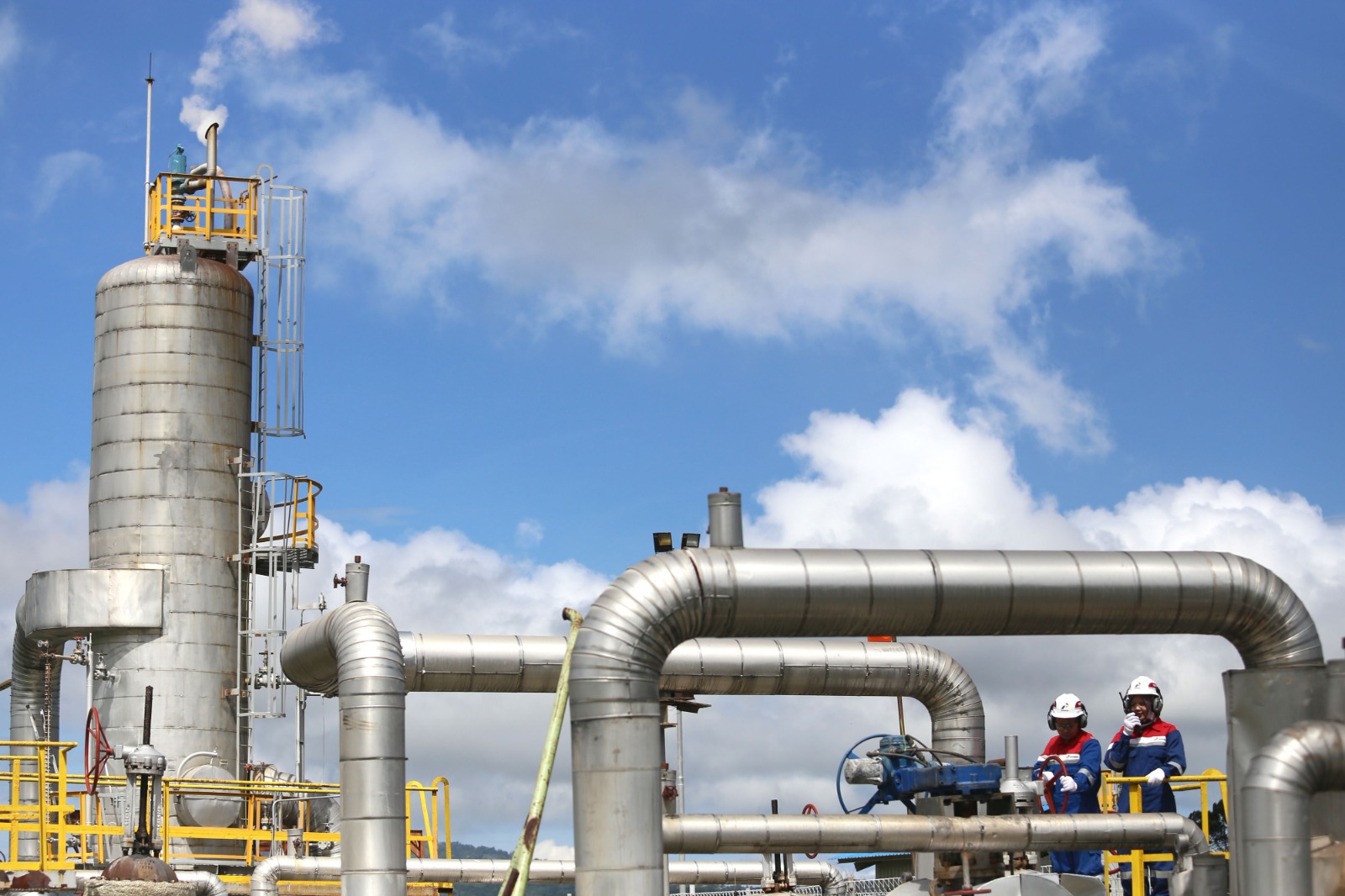
The disaster has also affected Nepal's energy system. More than 12% of the country's hydropower capacity was reportedly disrupted, highlighting the exposure of critical energy infrastructure to extreme weather and geological hazards.
The border area is economically important because it supports tourism and cross-border movement between Nepal and China. Damage to roads and the Gyirong corridor could disrupt supplies and increase transport costs while reconstruction places additional pressure on public finances.
The disaster also raises questions about the resilience of Himalayan infrastructure. Reuters has documented a pattern of destructive disasters across the region, with climate change and extensive development contributing to increasing environmental vulnerability.
For investors and policymakers, the immediate priority is restoring connectivity and protecting lives. The longer-term issue is whether infrastructure planning in vulnerable mountain regions adequately accounts for geological and climate risks.
What to watch: the rescue operation, the stability of the upstream blockage, reopening of border transport routes, hydropower restoration and the scale of reconstruction requirements.