The disaster, which struck on August 26, has left at least 750 people confirmed dead and more than 3,000 missing across Nepal and China. Nepal has recorded 734 deaths, while China has reported 16. More than 90,000 people are believed to have been affected, including 261 foreign nationals from 23 countries.
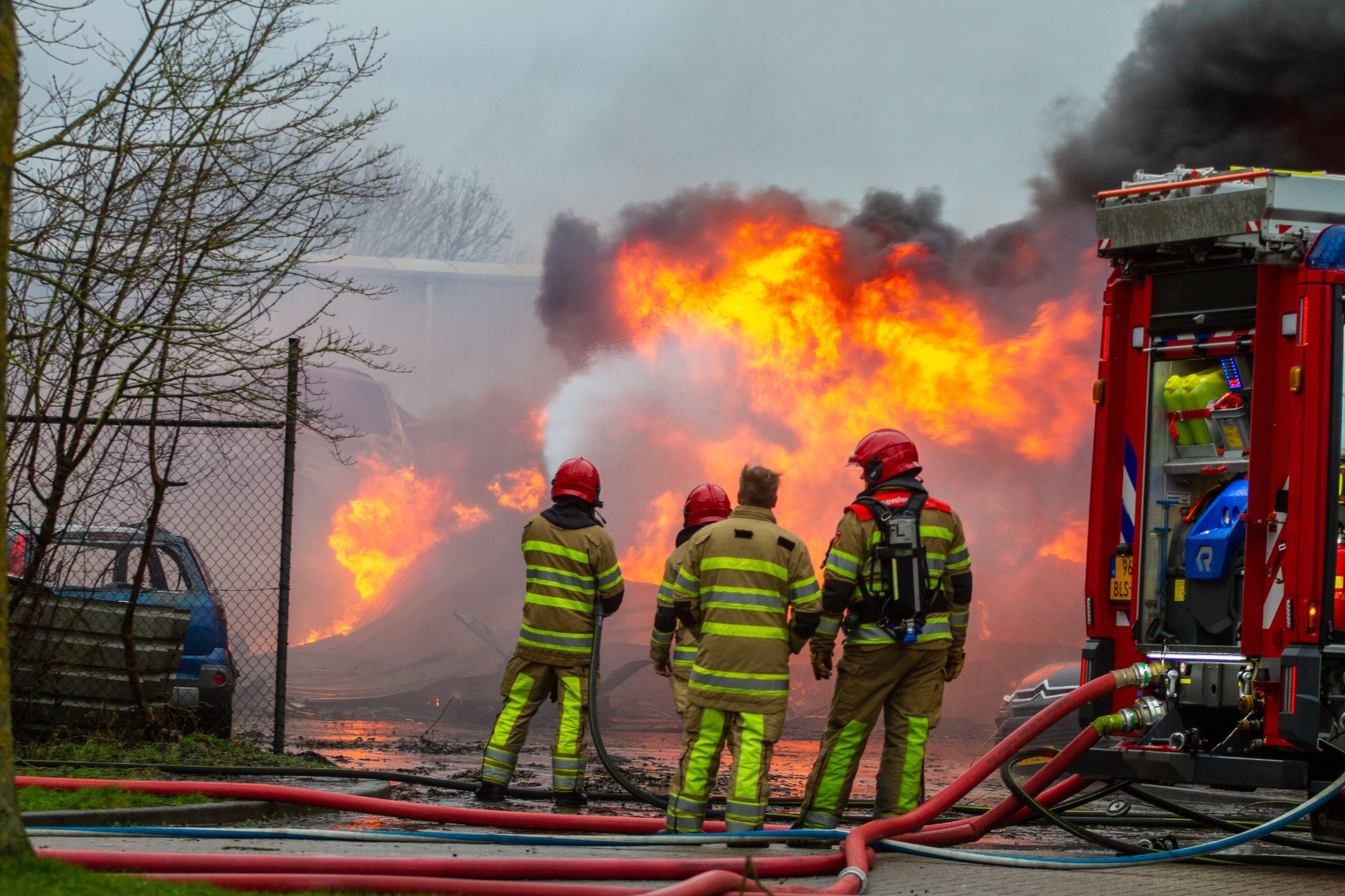
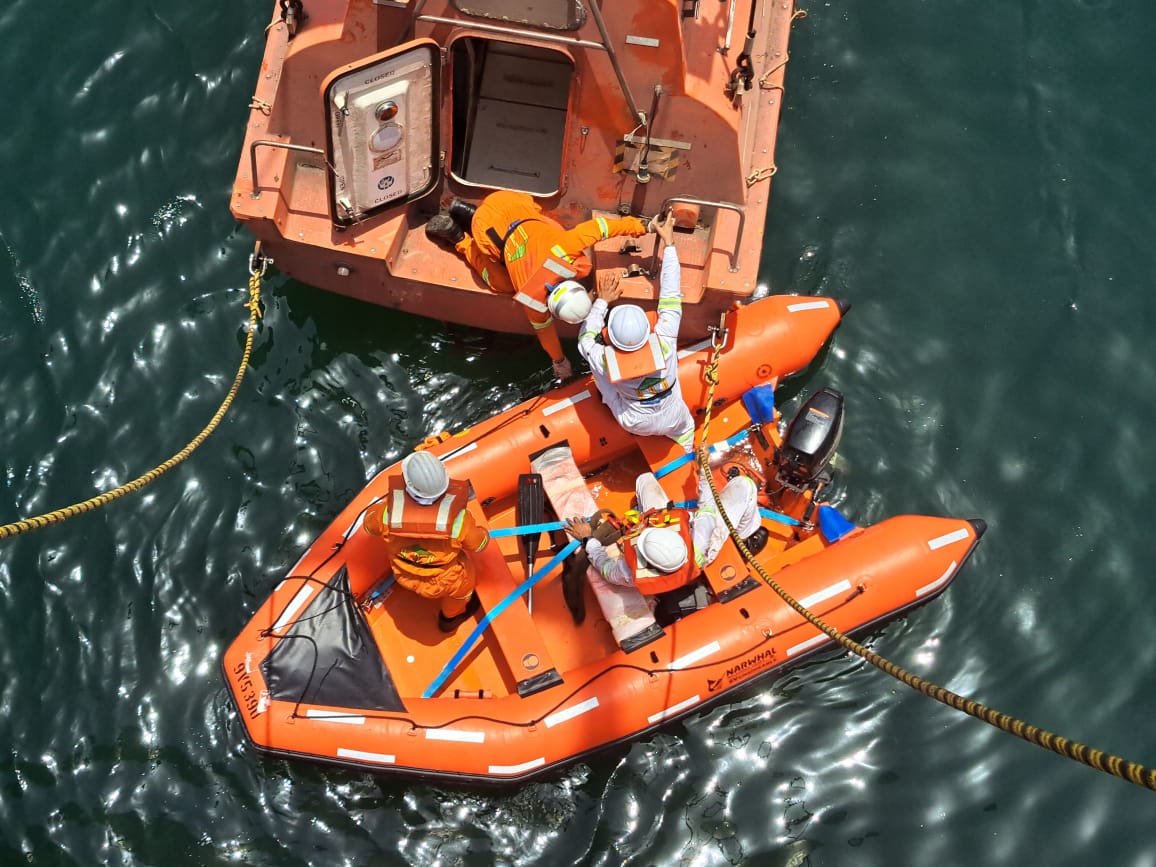
Rescue operations have been complicated by the geography of the region. Rugged Himalayan terrain, unstable slopes, rising water levels and damaged infrastructure are restricting access to affected communities and increasing the risks facing emergency teams.
Chinese authorities have deployed more than 2,100 rescue personnel and allocated 220 million yuan, or about $32.7 million, for relief operations. Teams are also attempting to reach people trapped inside damaged hydropower tunnels, where access remains particularly difficult.
The scale of the disaster is forcing authorities to move simultaneously between rescue, recovery and public-health operations. Some bodies have already been buried because decomposition and severe physical damage have made identification difficult.
The immediate humanitarian challenge is compounded by the possibility of further flooding. New landslides have created additional water pools, raising concerns that another release could threaten communities and rescue personnel.
Nepal has also faced difficult decisions over international assistance. While foreign governments have offered support, Kathmandu has indicated that it can manage search-and-rescue operations, even as other countries negotiate access for their nationals affected by the disaster.
Beyond the immediate emergency, the disaster highlights a growing strategic vulnerability in Himalayan communities. Glacier instability, extreme weather and rapid changes in mountain environments are increasing the exposure of settlements, roads, energy infrastructure and border trade routes.
The humanitarian consequences therefore extend beyond the current death toll. Nepal and China must now confront the longer-term question of how infrastructure and emergency systems can be adapted to an increasingly unstable high-altitude environment.
Aldrenor assessment: The disaster is not only a rescue emergency but a warning about the growing strategic and humanitarian costs of environmental instability across the Himalayan region.