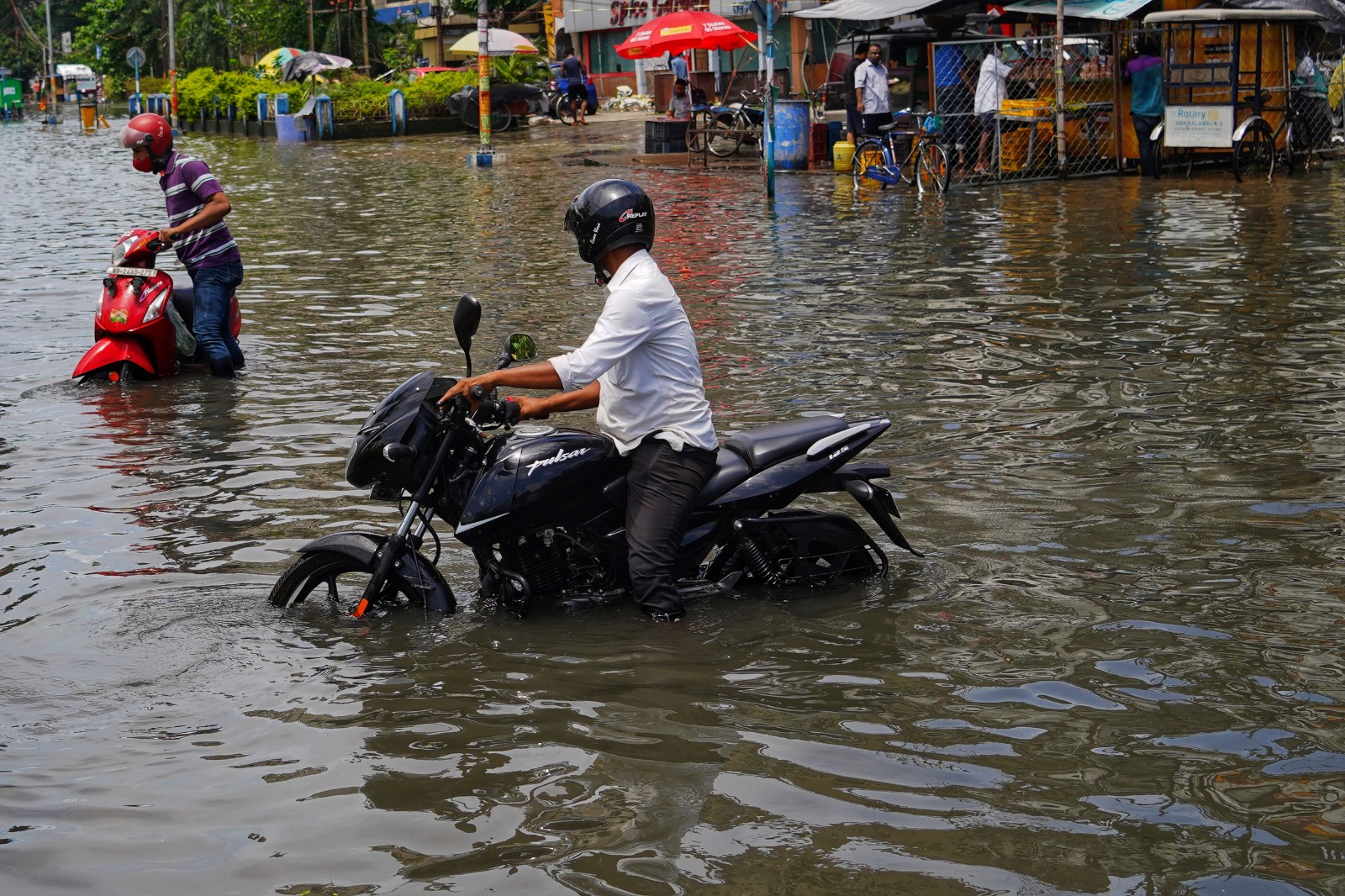
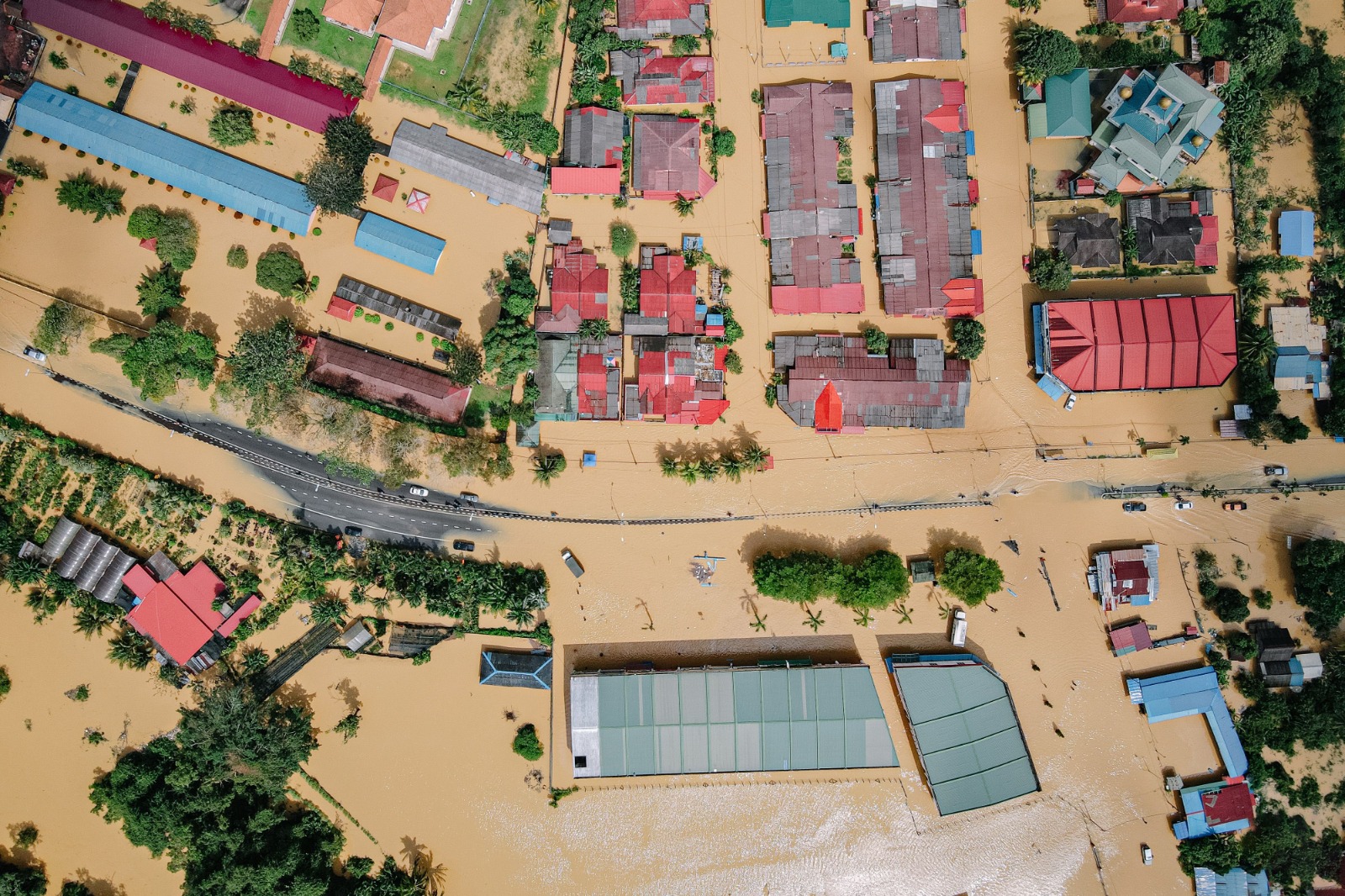
The disaster followed a major collapse of mud and rock into a Himalayan river, triggering severe flooding across valleys and communities. Authorities reported that more than 700 foreign nationals were among those missing, with tourists and pilgrims particularly affected.
The scale of the disaster is placing significant pressure on Nepal's emergency-response infrastructure. Helicopters have been deployed to search for survivors and deliver emergency supplies, while more than 5,000 army and police personnel have joined rescue operations.
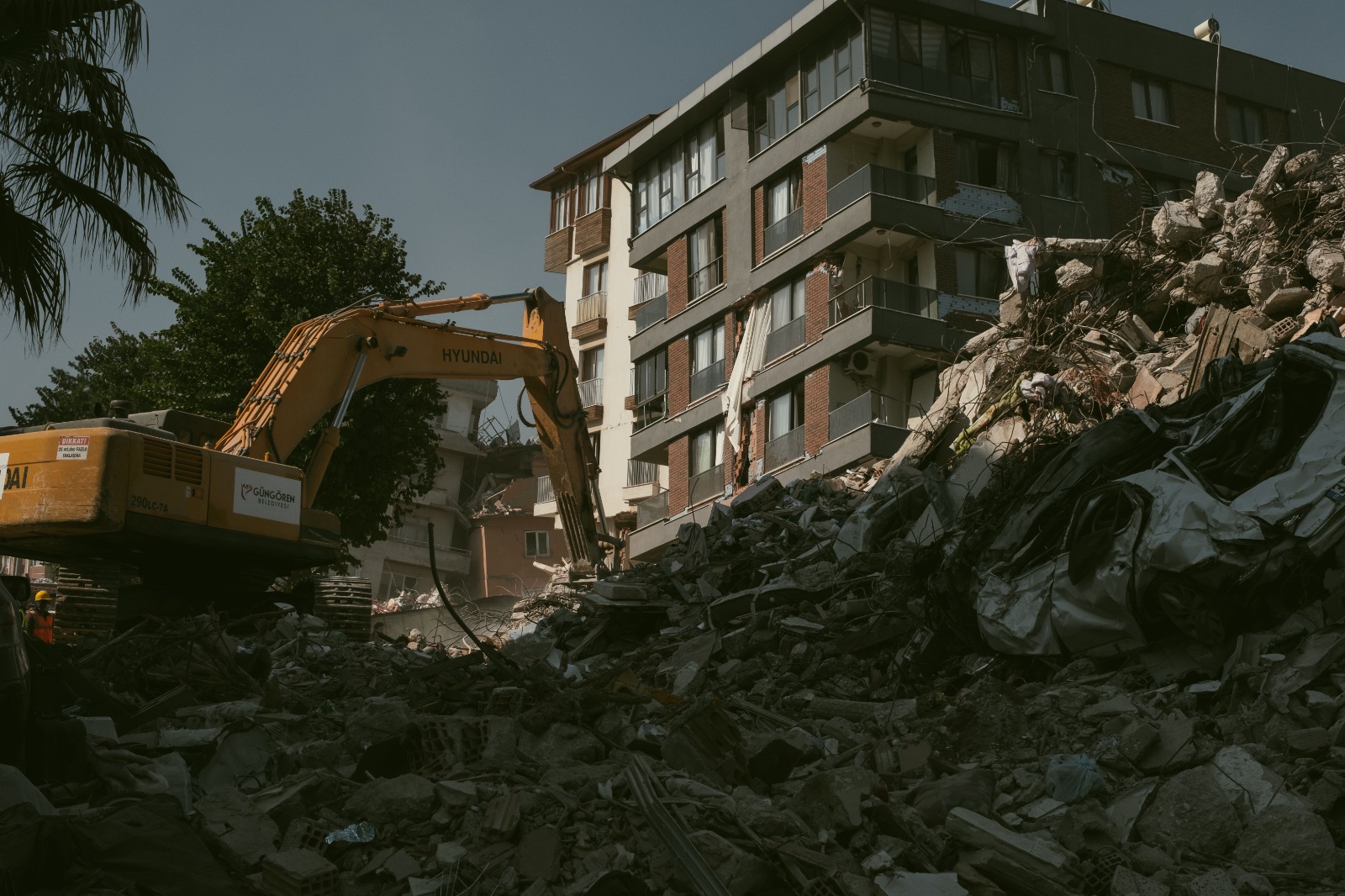
The damage is also economic. Roads, homes and power infrastructure have been destroyed in affected areas, disrupting transport links and local economic activity. The mountainous corridor is an important route for tourism, trade and movement between Nepal and Tibet, increasing the potential economic impact if infrastructure remains inaccessible.
The disaster highlights the vulnerability of Himalayan communities and transport networks to extreme environmental events. The immediate priority remains rescue and humanitarian assistance, but reconstruction will require substantial public and potentially international financing.
For Nepal, the economic consequences could extend into tourism, regional commerce and public finances. Communities dependent on trekking, pilgrimage and cross-border trade face the prospect of prolonged disruption, while the government must redirect resources towards emergency response and infrastructure repair.
India has already supplied tents, food and medicine to affected districts, while international nationals among the missing are likely to increase diplomatic pressure for coordinated search-and-rescue efforts.
For development institutions and investors, the event also reinforces the importance of climate-resilient infrastructure in geographically vulnerable regions. Roads, bridges, power systems and communications networks designed without sufficient resilience can create significant economic losses when extreme events occur.
What to watch: the number of confirmed casualties, reopening of transport corridors, infrastructure damage assessments and the scale of international reconstruction assistance.