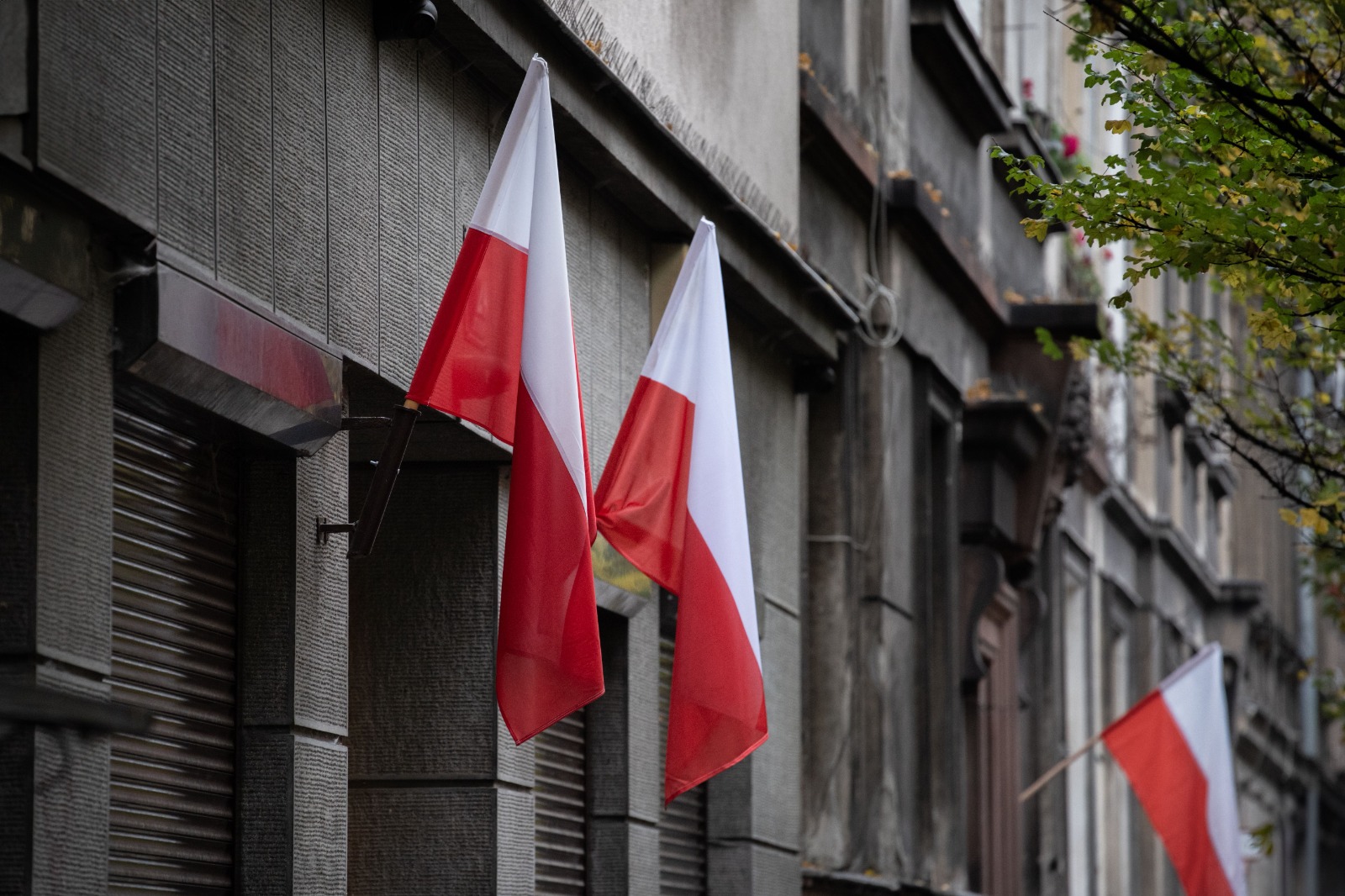
Warsaw is increasingly turning to Polish and Central European defence companies to reduce reliance on distant suppliers that may struggle to increase production quickly, according to Reuters.
The strategy represents an important evolution in European defence planning. The continent's security environment has changed fundamentally since Russia's invasion of Ukraine, prompting governments to increase military spending and reconsider assumptions about the reliability of external supply chains.
Poland has been among the most aggressive European states in expanding defence capacity. Its approach combines large-scale procurement with an effort to build domestic manufacturing capabilities capable of supporting the armed forces over the long term.
The industrial dimension is critical. Modern military power depends not only on personnel and weapons purchases but also on the ability to manufacture ammunition, maintain equipment and replace losses during prolonged periods of conflict.
Poland's shift towards regional suppliers is therefore intended to strengthen resilience as well as create economic benefits through domestic investment, technology transfer and employment.
The approach also has implications for Europe's wider defence industry. Increased Polish demand could encourage suppliers across Central Europe to expand capacity, creating a more integrated regional defence manufacturing network.
Yet the strategy faces significant financial challenges. Military expansion requires sustained public spending at a time when European governments are already dealing with high debt, elevated borrowing costs and pressure on social programmes.
Britain has likewise signalled that it intends to establish a clearer path towards higher defence spending, reflecting the wider European reassessment of security priorities.
Poland's experience therefore points to a broader transformation: European defence policy is increasingly becoming industrial policy.
The ability to sustain military power will depend not simply on how much governments spend, but on whether Europe can build the production capacity, supply chains and technological capabilities needed to support its strategic ambitions over decades rather than years.