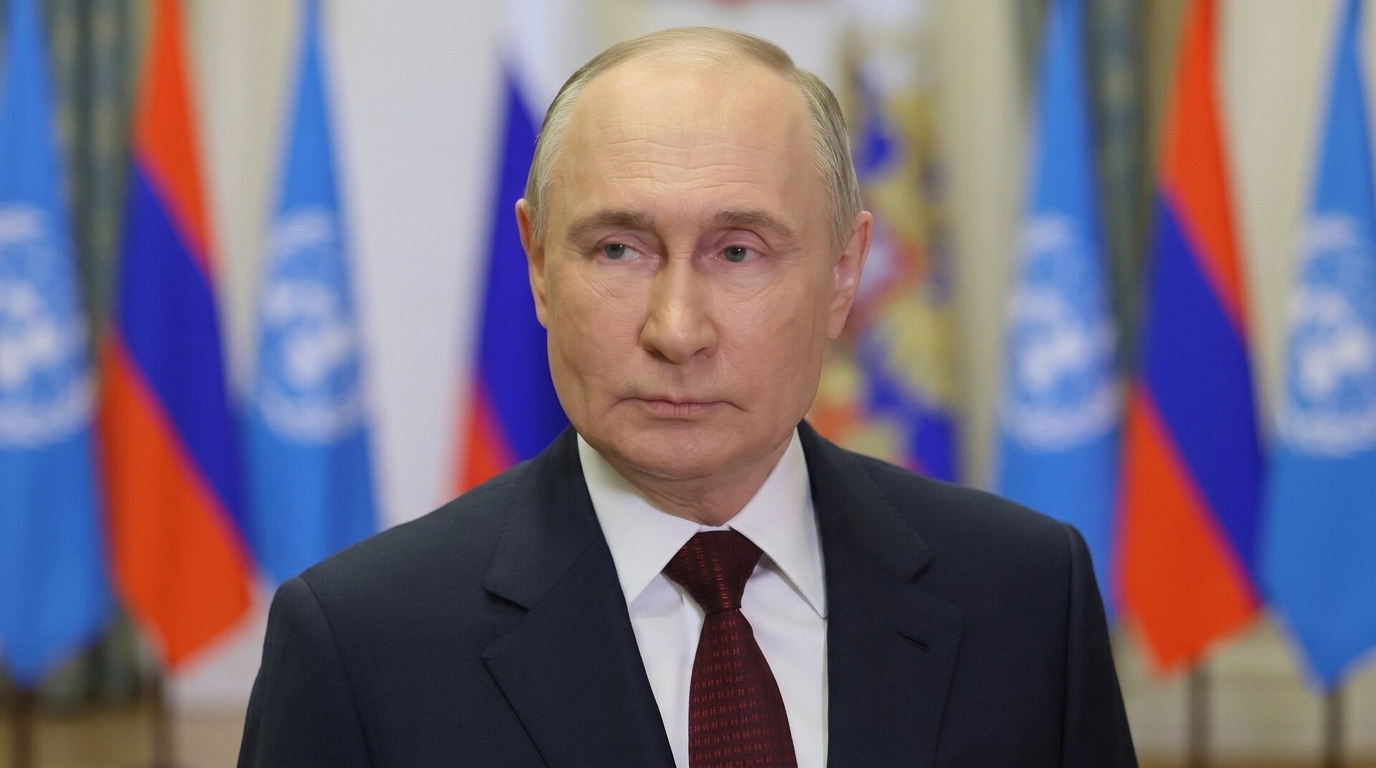
Russian Foreign Minister Sergei Lavrov made the assessment in an article published on Monday, according to Reuters.
The Arctic has become increasingly important to Russia, NATO and other major powers because of its strategic geography, natural resources and emerging transport routes.
Melting sea ice is gradually changing the region's accessibility, increasing interest in shipping routes and resource development while simultaneously making military positioning more significant.
For Russia, the Arctic is central to national defence and energy policy. The country's northern coastline represents a major strategic corridor and hosts important military infrastructure.
NATO members, meanwhile, have increased their attention to the region as concerns about Russian military activity have grown.
The resulting competition extends beyond conventional military power. Satellite communications, undersea infrastructure, energy assets and shipping routes are all becoming components of Arctic strategic competition.
The region's importance is likely to increase as climate change makes previously inaccessible areas more navigable and economically viable.
For Europe and North America, the Arctic also represents a critical link between energy security, defence planning and control of maritime infrastructure.
Moscow's latest warning therefore adds to a broader pattern of strategic competition between Russia and NATO that is increasingly extending into regions once viewed as peripheral to the main security environment.
Aldrenor Assessment: The Arctic is emerging as a new strategic frontier where military security, energy resources and transport infrastructure increasingly overlap. Russia's latest warning suggests that competition in the region is likely to intensify rather than recede.