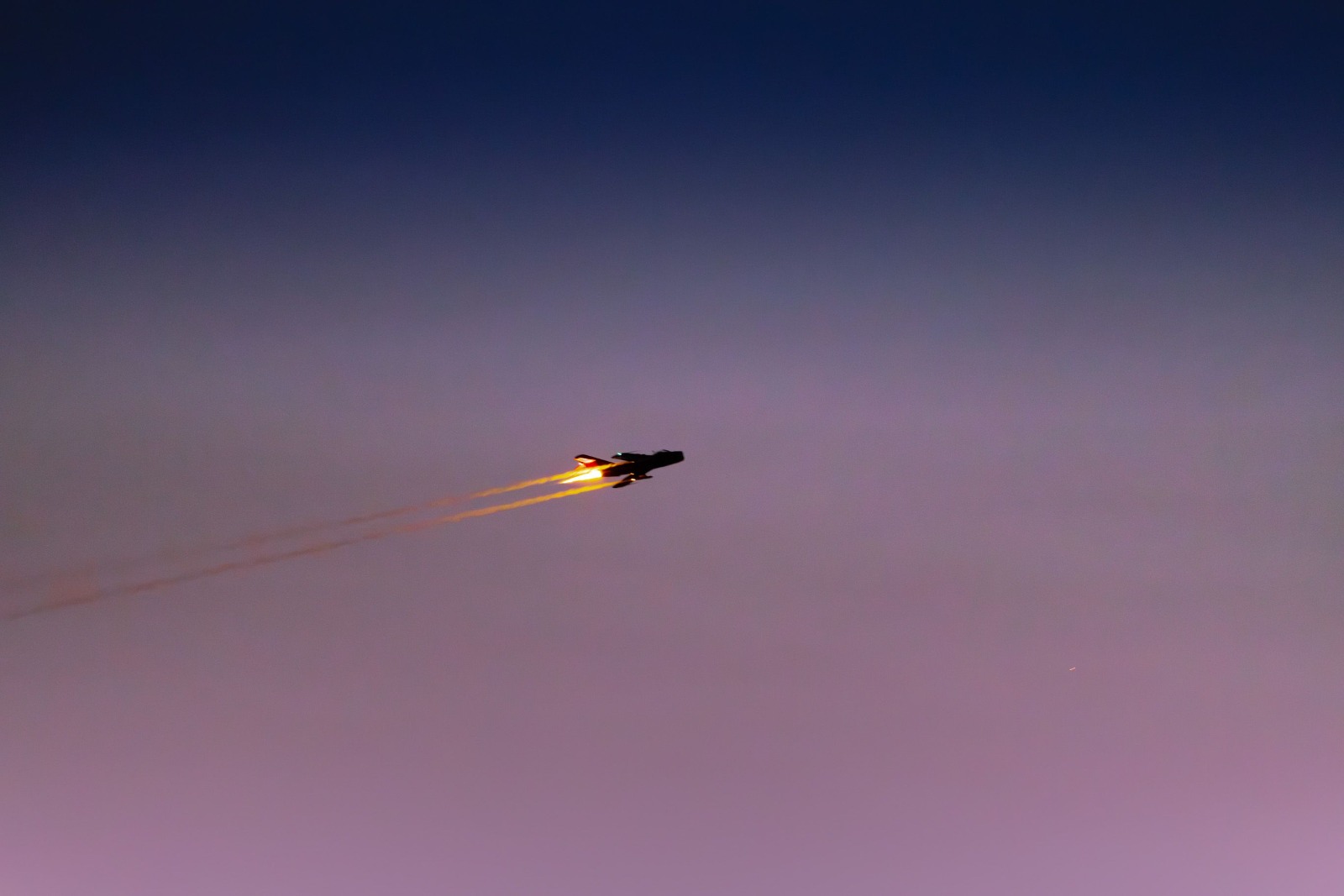
Russian airstrikes killed 12 people in Kyiv and the surrounding region early Tuesday, marking the sixth consecutive day of attacks on the Ukrainian capital. The assault involved jet-powered drones and ballistic missiles and damaged residential areas and railway infrastructure.
Ukrainian officials have warned that stocks of US-made Patriot interceptors are running low, raising concerns about the country's ability to defend critical infrastructure and major population centres against increasingly sophisticated attacks.
The problem is strategic rather than simply tactical. Air defence has become central to Ukraine's ability to preserve economic activity, protect civilians and maintain the transport infrastructure required to sustain the war effort.
The latest attacks also extended beyond Kyiv. A border crossing with Romania in Odesa was struck, affecting agricultural exports and contributing to power disruptions. Ukraine has responded by targeting Russian oil and logistics infrastructure, expanding the economic dimension of the conflict.
The pressure comes as diplomatic efforts remain stalled. Ukraine continues to seek stronger international support while the United States is simultaneously managing the separate crisis involving Iran.
For Kyiv, this creates an increasingly complex strategic environment. Maintaining adequate air-defence supplies requires continued Western military assistance at a time when partner governments are themselves reassessing inventories and competing security priorities.
The conflict is therefore entering another phase in which industrial capacity and ammunition production may prove as important as battlefield manoeuvres.
Russia's ability to sustain repeated long-range attacks could force Ukraine to make difficult decisions about which cities, infrastructure and military assets receive the greatest protection.
The broader implication is clear: the sustainability of Ukraine's defensive posture increasingly depends on the availability of advanced interceptors and the capacity of its allies to replenish them. Without that support, continued Russian pressure could impose growing economic and strategic costs on Kyiv.