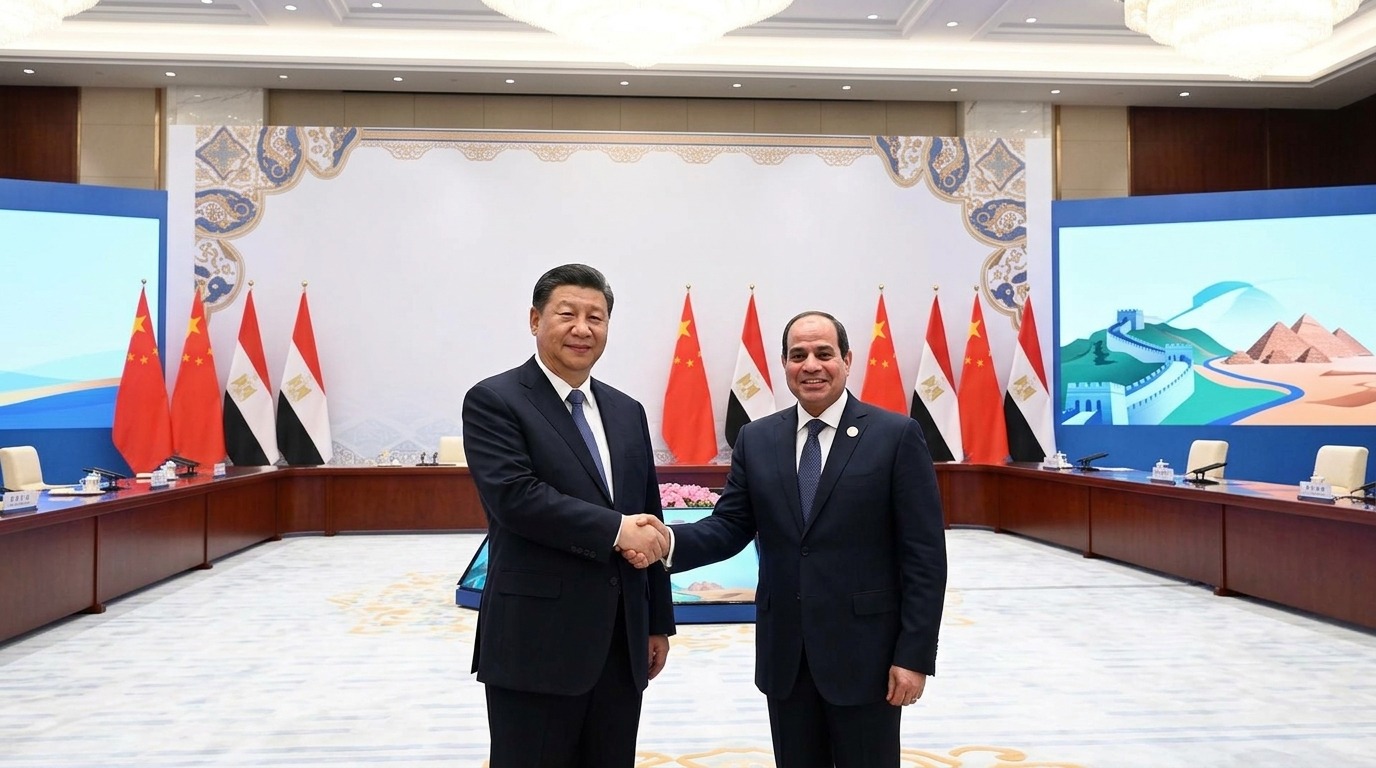
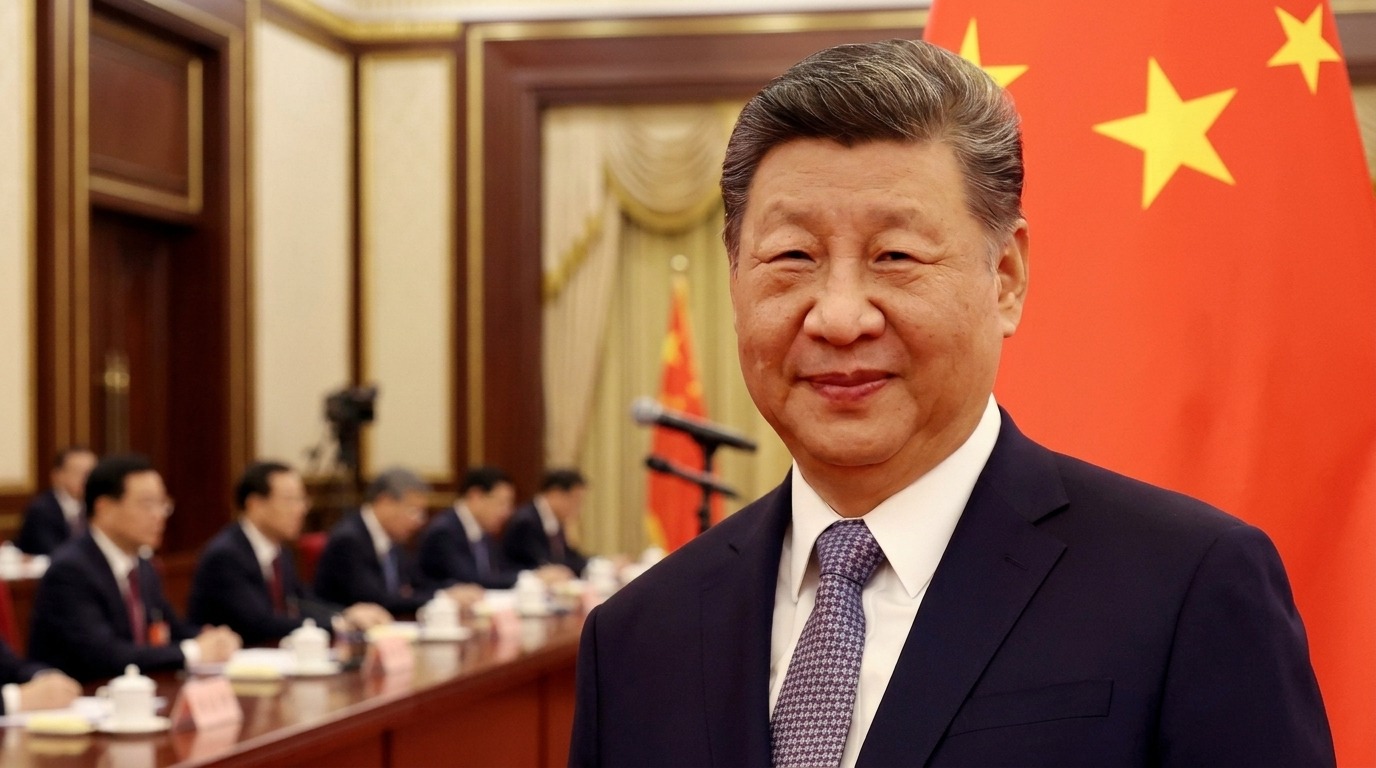
Speaking at the BRICS summit in New Delhi, Xi urged members and partner countries to build a more integrated market and maintain stable industrial and supply chains. He also outlined Chinese-led initiatives intended to make the expanded grouping a more practical platform for cooperation across the Global South.
A central proposal was the creation of a BRICS AI Open Source Zone, which Xi said would promote cooperation on large language models, AI training and the development of an open AI ecosystem. China also proposed a BRICS Special Economic Zone partnership and said it would host a Service Trade Forum in 2027 to strengthen trade and investment links.
The initiatives reflect Beijing's broader effort to deepen economic relationships among emerging economies at a time of growing competition over technology, trade routes and strategic supply chains.
The BRICS grouping has expanded significantly beyond its original members — Brazil, Russia, India, China and South Africa — with Iran, Indonesia, Egypt, Ethiopia and the United Arab Emirates now included. Ten additional partner countries have also broadened the bloc's reach across Asia, Africa, Latin America and the Middle East.
The expanded membership gives BRICS greater economic and geopolitical weight, but its growing size also creates challenges in translating political cooperation into coordinated policy. Members have different economic structures, strategic priorities and relationships with major Western powers.
Xi's emphasis on practical cooperation suggests Beijing wants the group to move beyond political declarations towards mechanisms capable of supporting investment, technology development and cross-border trade.
The summit also took place against the backdrop of renewed conflict in the Middle East. BRICS members agreed on a joint declaration expressing concern over escalating tensions and calling for restraint, while Iranian President Masoud Pezeshkian held a high-level meeting with Abu Dhabi's Crown Prince focused on regional stability and development.
For China, the BRICS agenda offers an opportunity to expand economic influence while promoting alternative channels for technology and trade cooperation. For other members, deeper integration could provide additional markets and investment opportunities.
The success of the expanded bloc will ultimately depend on whether its initiatives translate into durable commercial and technological partnerships rather than remaining primarily diplomatic commitments.