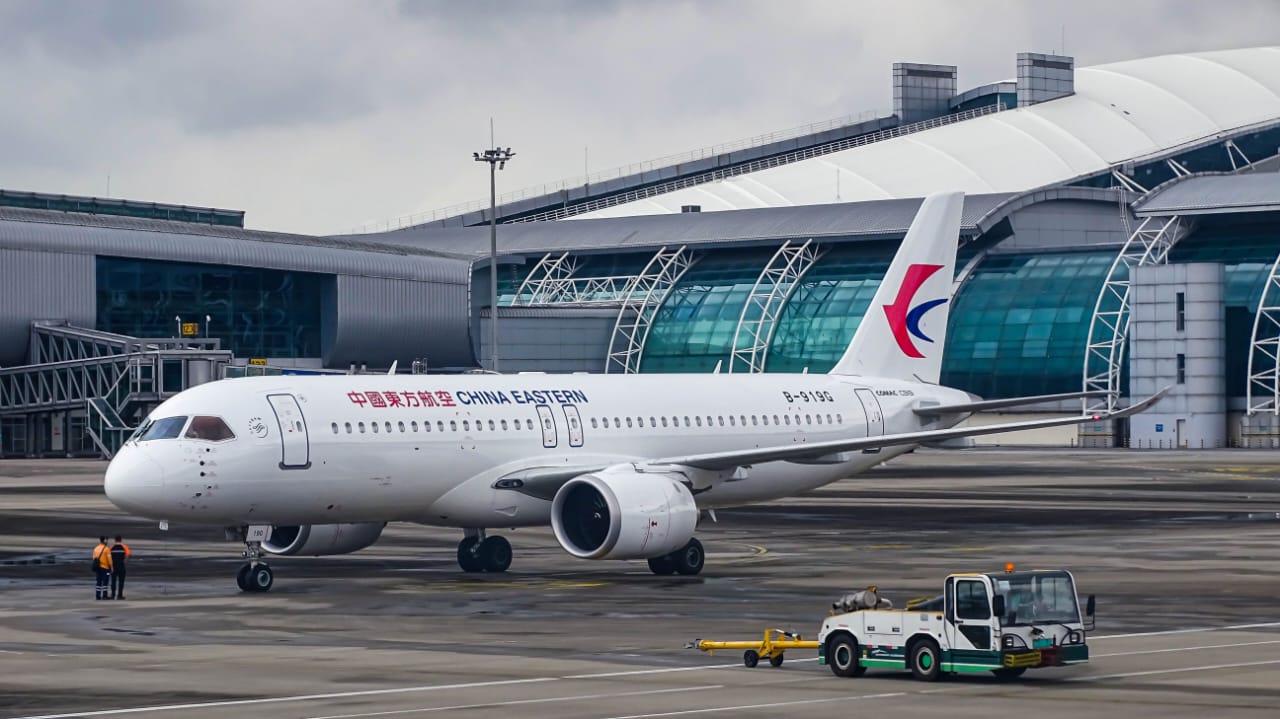
The Shanghai-based carrier reported a net loss of 2.2 billion yuan, approximately $327 million, for the first six months of 2026. The result compares with a loss of 1.4 billion yuan during the same period a year earlier.
Revenue, however, rose 11.1% to 74.2 billion yuan, indicating that demand for air travel remains relatively strong. The divergence between revenue growth and profitability suggests that higher passenger volumes alone are not sufficient to resolve the structural pressures facing China's major airlines.
The figures come as China's aviation industry continues to contend with intense competition, pricing pressure and the cost burden associated with operating large fleets and extensive domestic and international networks.
Earlier warnings from China's major airlines had already pointed to substantial first-half losses. China Eastern and China Southern, alongside Air China, had forecast combined losses of as much as 9 billion yuan, reversing some of the improvement recorded earlier in the year.
For China Eastern, the latest result raises questions about the sustainability of an airline recovery driven primarily by traffic rather than margins. A rise in revenue without a corresponding improvement in earnings indicates that airlines may be competing aggressively for passengers while absorbing significant operating costs.
The implications extend beyond the company. Aviation is a major indicator of domestic consumption, business activity and international mobility. Continued weakness in airline profitability could therefore provide a useful signal about the quality of China's broader economic recovery.
At the same time, sustained passenger demand offers an important counterpoint. The increase in revenue suggests that consumers and businesses continue to use air travel at significant levels despite broader economic uncertainty.
The challenge for China Eastern is converting that demand into durable returns.
Aldrenor assessment: China Eastern's results expose a central weakness in the airline recovery: stronger demand is evident, but competitive pressure and operating costs are preventing that demand from translating into healthier balance sheets.