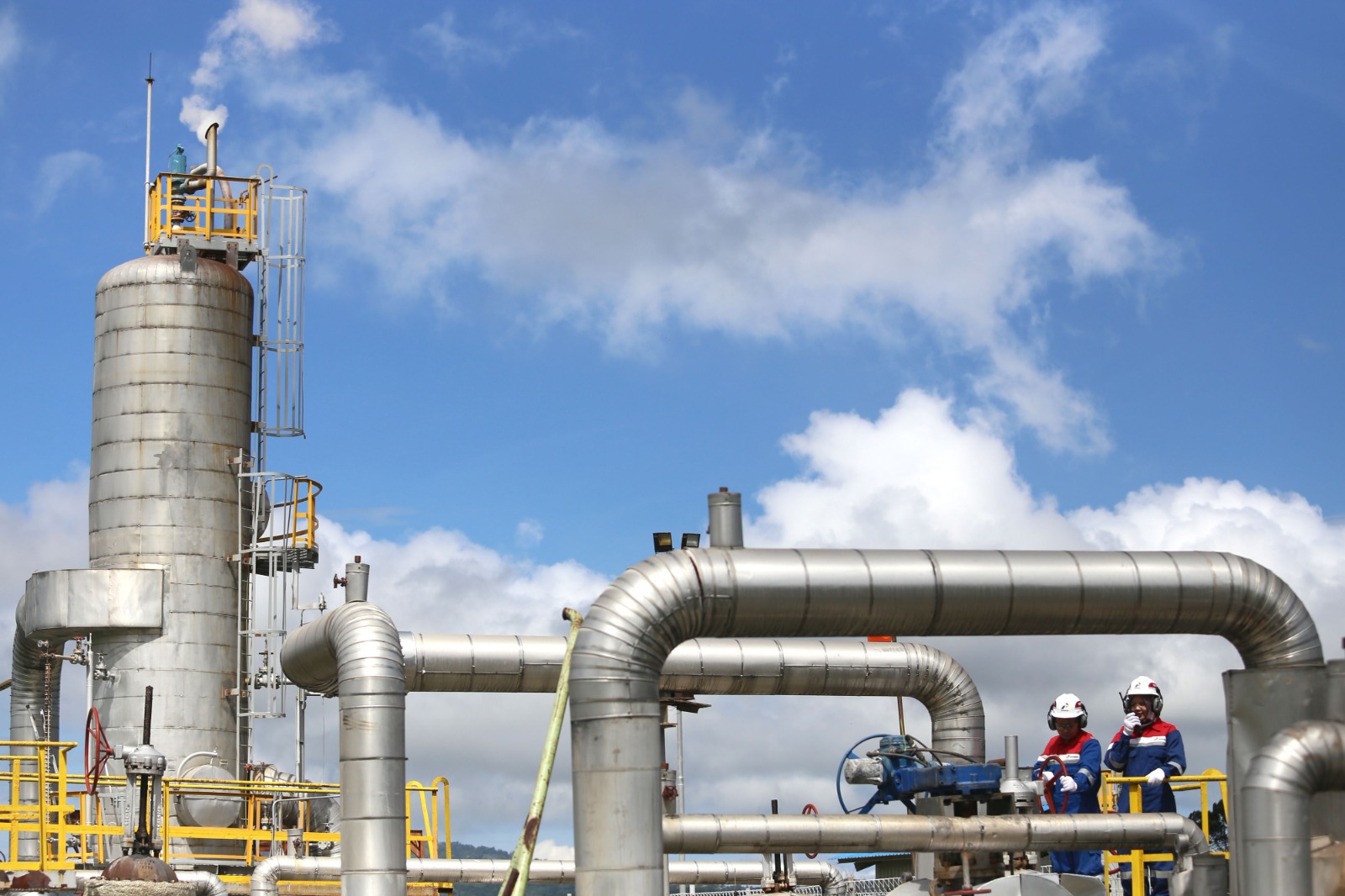
The pipeline normally transports about 4 million barrels of crude a day from Saudi Arabia's oil-producing region to the Red Sea port of Yanbu, allowing the world's largest oil exporter to bypass the Strait of Hormuz. That volume represents roughly 4% of global oil supply.
The immediate concern is storage. Industry sources told Reuters that Saudi Arabia's stocks at Yanbu could support exports for only five to seven days if the pipeline remains offline. Additional supplies are held at Egyptian ports, but those stocks are also limited and would not provide a permanent alternative to the pipeline.
The disruption follows months of reduced flows through the Gulf and Red Sea, as attacks and military operations have disrupted established shipping routes. Saudi oil production had already fallen sharply, reaching about 6.2 million barrels per day in August compared with 10.9 million barrels per day in February, according to figures reported to OPEC and cited by the International Energy Agency.
The pipeline shutdown therefore represents more than a local infrastructure problem. If repairs take several weeks, the loss of the route could remove millions of barrels from the export system at a time when global inventories are already under pressure.
Reuters reported that estimates for repairing the damaged pipeline varied significantly, with one source suggesting five to six weeks while another expected a faster restoration and the possibility of partial pumping during repairs. Saudi authorities had not provided a detailed timetable.
The disruption is already feeding into financial markets. Oil prices have risen sharply, while higher energy costs have pushed inflation expectations higher and contributed to a rise in U.S. Treasury yields.
For consuming economies, prolonged disruption could raise fuel and transport costs, increase industrial input prices and complicate monetary policy. For producers, it could tighten physical markets while increasing geopolitical and infrastructure risks.
The pipeline's status has consequently become a critical indicator for the global energy market, with every additional day offline increasing the potential scale of the supply shock.