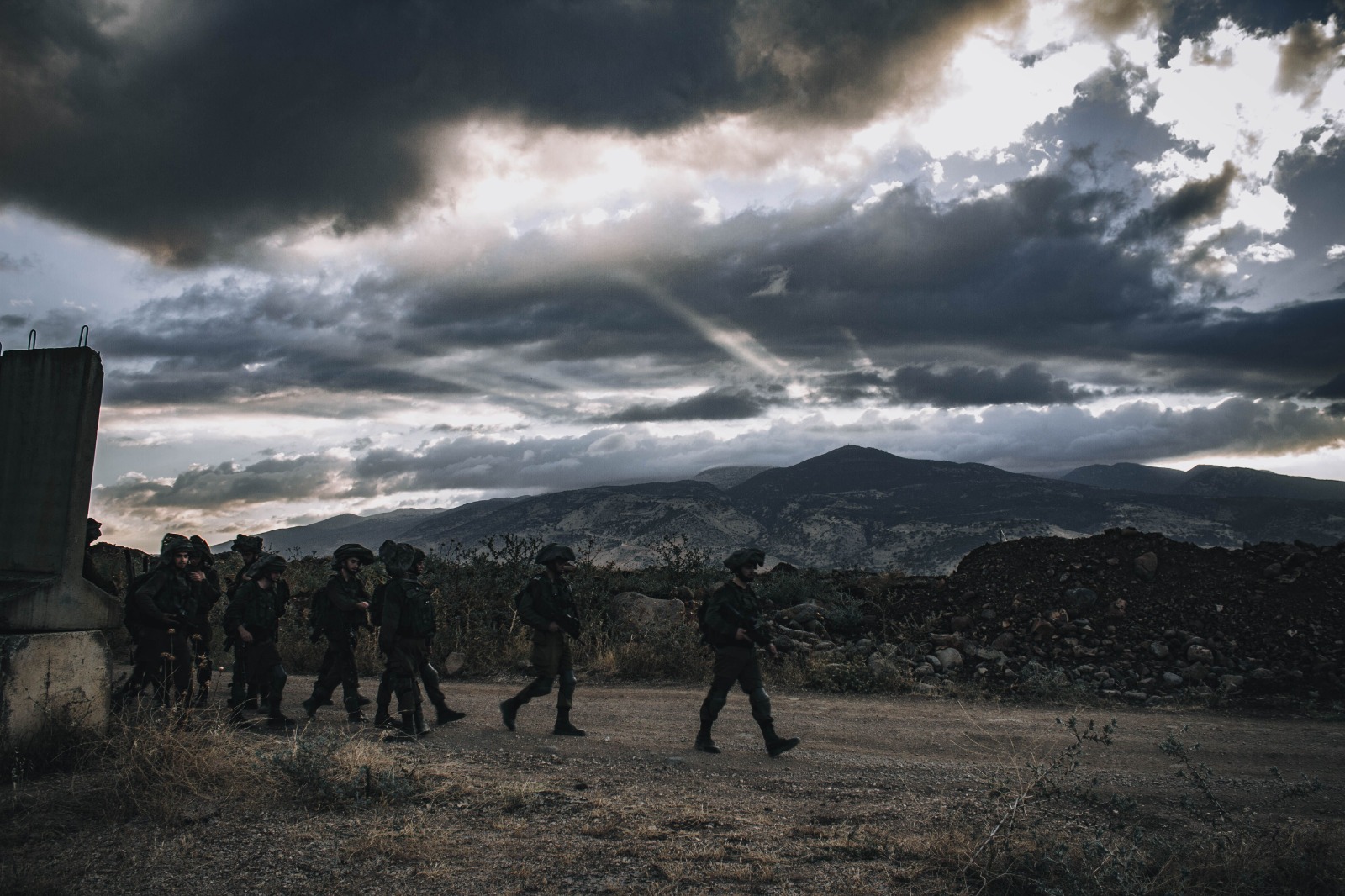
International agencies continue warning that conflict-related displacement, disrupted supply chains and restricted access to healthcare and education are affecting millions of people across vulnerable regions. Humanitarian organisations have also expressed concern over increasing pressure on essential infrastructure, including hospitals, energy facilities and transportation networks, all of which are critical to maintaining economic activity and public welfare during periods of instability.
The implications extend beyond humanitarian assistance. Businesses operating in conflict-affected regions face heightened operational risks as logistics disruptions, labour displacement and infrastructure damage increase the cost of commercial activity. Multinational companies are strengthening risk management frameworks while reassessing investment exposure in markets where geopolitical uncertainty continues to influence long-term business confidence.
Governments are simultaneously balancing competing priorities. Increased defence expenditure and national security initiatives are consuming larger portions of public budgets, while demand for humanitarian funding continues rising. Policymakers therefore face increasingly difficult fiscal decisions regarding social protection, refugee assistance, reconstruction financing and economic development programmes.
International financial institutions also recognise that humanitarian crises carry long-term economic consequences. Large-scale displacement reduces workforce participation, weakens productivity and delays infrastructure development, while prolonged instability discourages foreign direct investment and private-sector expansion. As a result, humanitarian policy is increasingly viewed as an essential component of sustainable economic development rather than solely an emergency response.
For investors, environmental, social and governance (ESG) considerations continue influencing capital allocation decisions. Companies demonstrating strong human rights governance, responsible supply-chain management and transparent corporate accountability are expected to maintain greater investor confidence as geopolitical risks remain elevated.
Attention will now focus on diplomatic negotiations, humanitarian funding commitments and international cooperation aimed at reducing civilian suffering while supporting long-term economic recovery. For policymakers and business leaders alike, protecting human capital is becoming increasingly recognised as fundamental to sustainable growth, institutional stability and long-term investment confidence.