
The changing policy landscape comes as governments continue balancing slowing economic growth, moderating inflation and heightened international tensions. While monetary authorities focus on maintaining price stability, elected leaders are placing greater emphasis on strengthening domestic manufacturing, expanding critical infrastructure and reducing dependence on strategically sensitive imports.
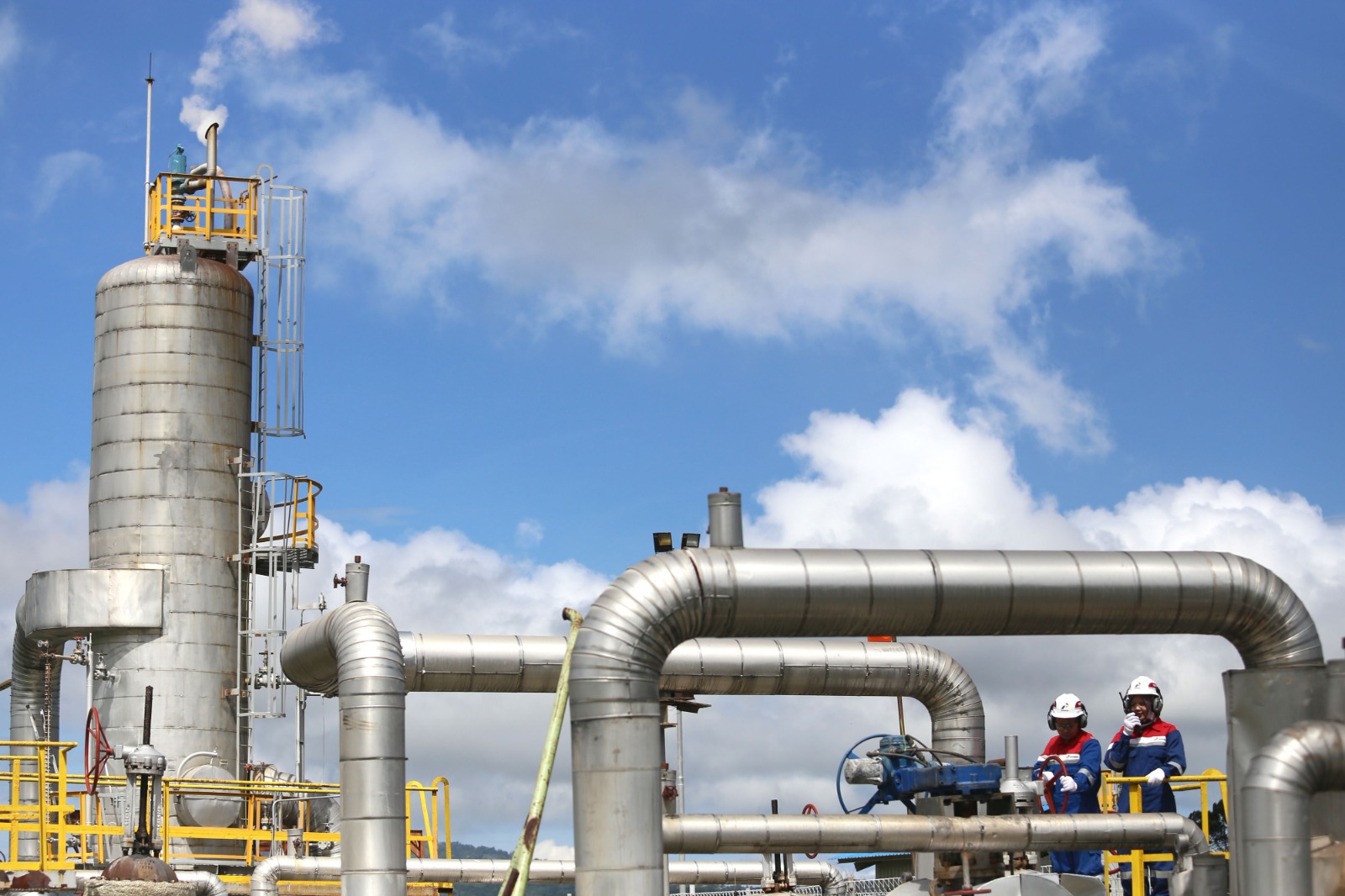
Political leaders are also directing increased investment towards defence production, semiconductor manufacturing, clean energy technologies and digital infrastructure. These sectors are increasingly viewed as essential to both economic resilience and national security, prompting governments to introduce industrial incentives, public-private partnerships and targeted investment programmes aimed at strengthening domestic capacity.
The implications extend beyond government budgets. Businesses operating in strategic industries are expected to benefit from increased procurement opportunities and policy support, while companies reliant on complex international supply chains may face additional compliance requirements, investment obligations and regulatory oversight. Institutional investors are likewise monitoring how political decisions influence fiscal sustainability, sovereign borrowing and long-term economic competitiveness.
However, policymakers continue facing difficult trade-offs. Expanding industrial investment and defence expenditure must be balanced against commitments to healthcare, education, social welfare and fiscal responsibility. Rising public debt in several advanced economies has intensified scrutiny over government spending efficiency and the long-term affordability of strategic investment programmes.
Political stability also remains a significant consideration for financial markets. Investors continue evaluating elections, legislative negotiations and regulatory reforms for their potential impact on taxation, business confidence and capital allocation. Markets generally favour policy predictability, particularly during periods of elevated geopolitical and economic uncertainty.
Looking ahead, attention will focus on forthcoming legislative initiatives, budget negotiations and international policy discussions that are expected to shape investment conditions during the remainder of the year. For business leaders, understanding the intersection between politics and economic policy is becoming increasingly important as governments assume a more active role in directing industrial development and national competitiveness.