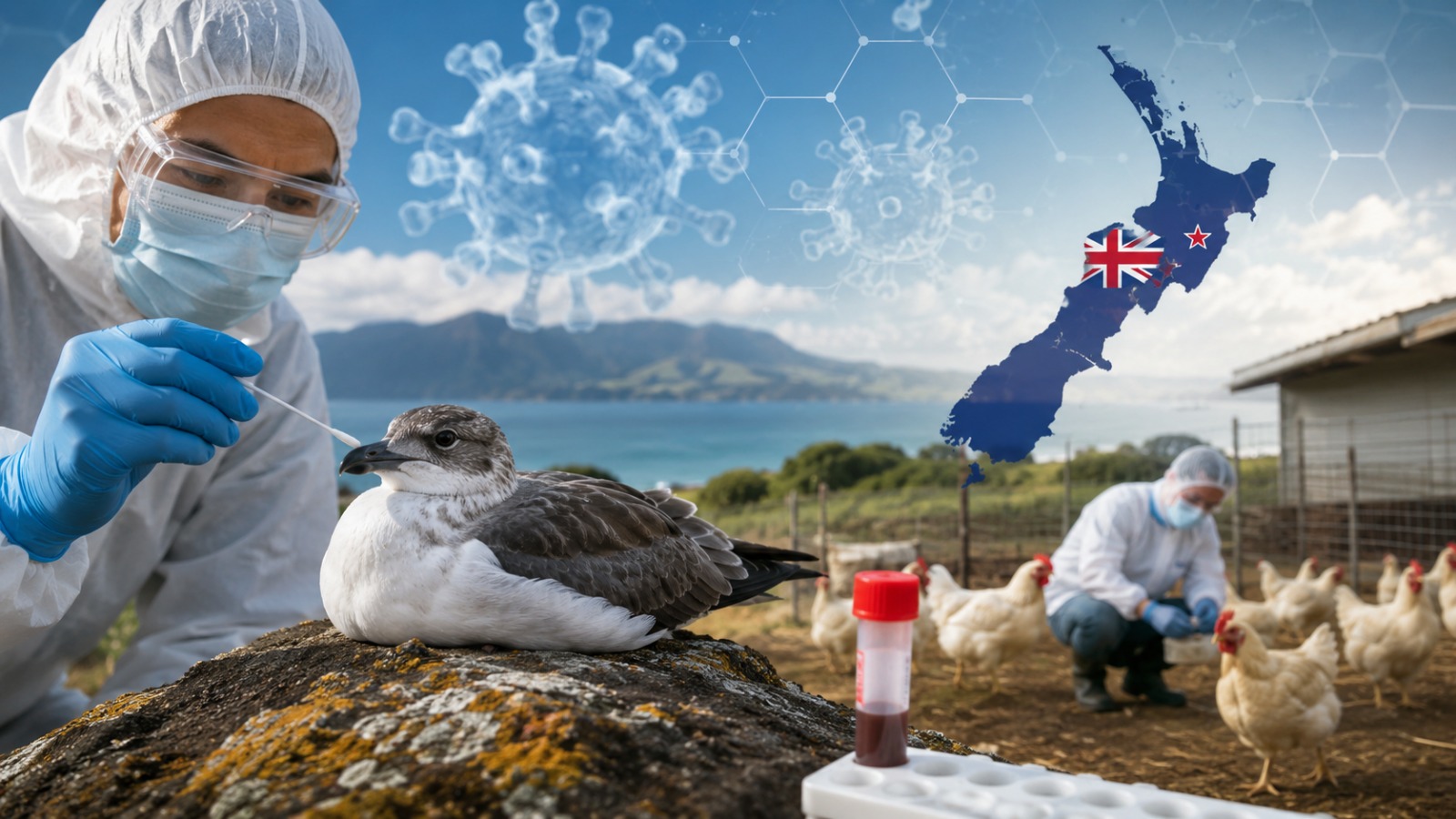
According to Reuters, the detection was made during routine wildlife surveillance, with veterinary authorities moving quickly to isolate the affected area, expand testing programmes and monitor surrounding bird populations for further evidence of transmission. Officials stressed that there is currently no indication of widespread infection within the country's commercial poultry industry, and food safety risks remain limited under existing public health guidance.
The discovery nevertheless carries broader implications for agriculture, international trade and food security. Avian influenza outbreaks have disrupted poultry production across multiple regions in recent years, contributing to higher food prices, supply shortages and increased operating costs for producers. Governments have consequently invested heavily in disease surveillance systems, laboratory capacity and emergency response planning aimed at limiting economic disruption should outbreaks expand.
For the agricultural sector, biosecurity has become an increasingly important component of operational resilience. Poultry producers are strengthening farm management protocols, improving animal health monitoring and investing in early detection technologies to minimise commercial risks associated with infectious disease. Insurers, exporters and food retailers are likewise paying closer attention to disease-control standards as international markets continue demanding higher levels of traceability and food safety assurance.
The latest detection also highlights the growing intersection between public health and economic policy. Disease outbreaks can influence trade flows, consumer confidence and inflation through disruptions to food supply chains, making effective surveillance essential to maintaining both public welfare and market stability. International cooperation remains critical as migratory bird populations continue facilitating the cross-border movement of avian influenza viruses.
Attention will now focus on the outcome of expanded surveillance activities and any additional findings from neighbouring regions. For policymakers, the priority remains preventing wider transmission while maintaining confidence in agricultural exports and domestic food production. For investors and agribusiness leaders, the episode reinforces the importance of resilient biosecurity systems as a foundation for long-term food security and sustainable agricultural growth.