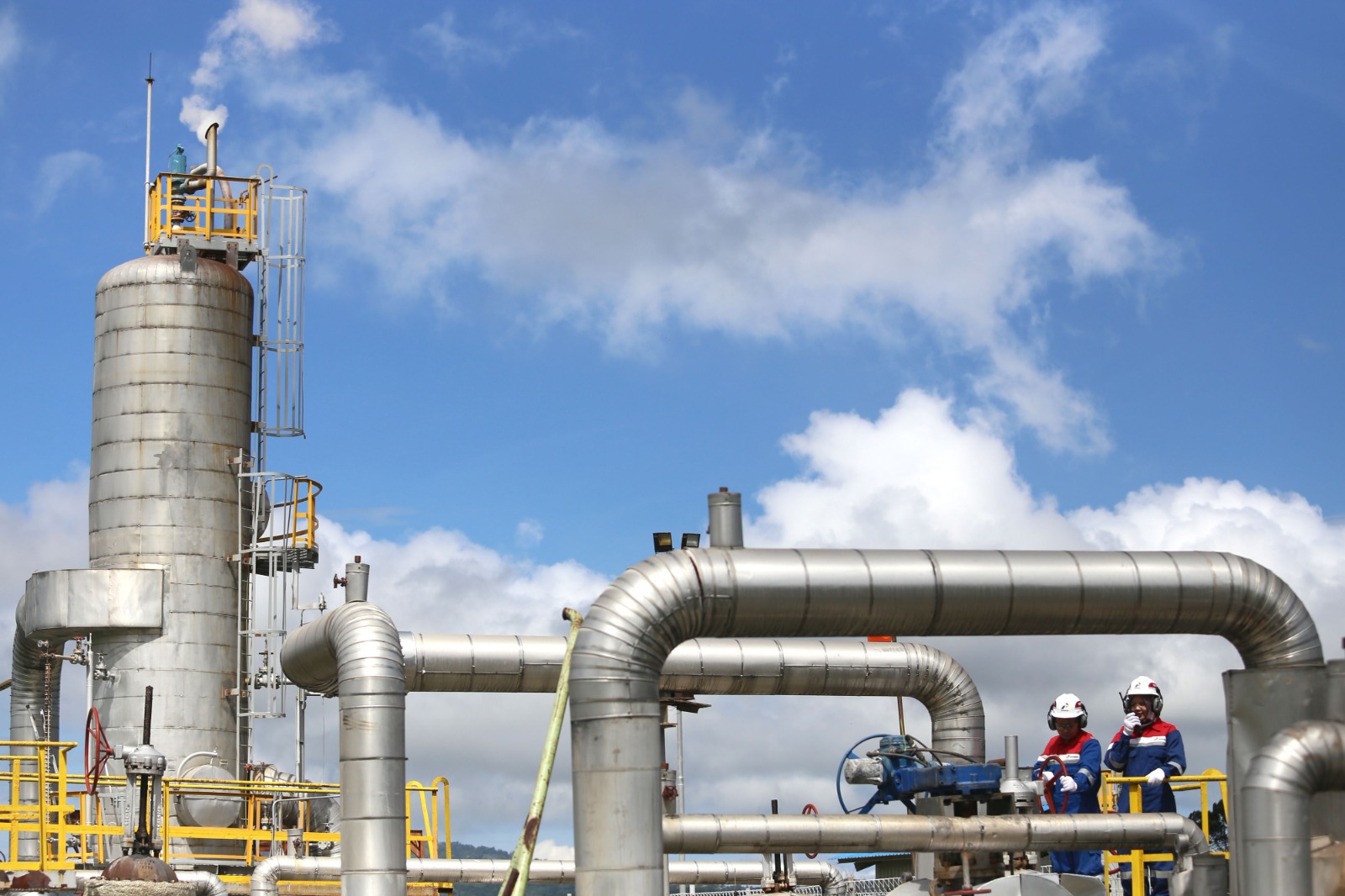

Recent developments across international markets illustrate the interconnected nature of today's global economy. Rising oil prices linked to geopolitical tensions continue influencing inflation expectations, while slowing but resilient economic growth in major economies has encouraged central banks to adopt a more cautious approach towards future monetary policy decisions. At the same time, businesses continue adapting to technological disruption, supply-chain diversification and changing consumer demand.
Industrial policy has become increasingly prominent within national economic strategies. Governments across North America, Europe and Asia are directing greater investment towards semiconductors, energy infrastructure, artificial intelligence and advanced manufacturing in an effort to strengthen competitiveness while reducing strategic dependence on external suppliers. These initiatives are reshaping global capital flows and encouraging multinational corporations to reconsider production networks established during previous decades of globalisation.
International trade remains another defining factor. Although global commerce continues expanding, geopolitical fragmentation and regulatory divergence are encouraging companies to pursue regional supply-chain strategies that prioritise resilience alongside efficiency. Businesses increasingly regard operational flexibility as essential to managing risks associated with tariffs, sanctions, shipping disruptions and commodity price volatility.
The evolving landscape also presents opportunities. Emerging technologies, renewable energy investment and digital infrastructure continue attracting substantial institutional capital as governments seek to improve productivity and strengthen long-term economic performance. Investors increasingly favour companies capable of combining innovation with disciplined financial management and effective governance.
For policymakers, maintaining economic resilience requires balancing fiscal sustainability with investment in strategic industries, infrastructure and workforce development. Business leaders likewise face the challenge of allocating capital prudently while remaining sufficiently agile to respond to changing geopolitical and macroeconomic conditions.
Attention will now turn to upcoming central bank meetings, corporate earnings and international policy developments, all of which are expected to influence investor sentiment during the coming months. As the global economy enters a new phase of structural adjustment, resilience, adaptability and strategic investment are increasingly replacing rapid expansion as the defining measures of long-term success.