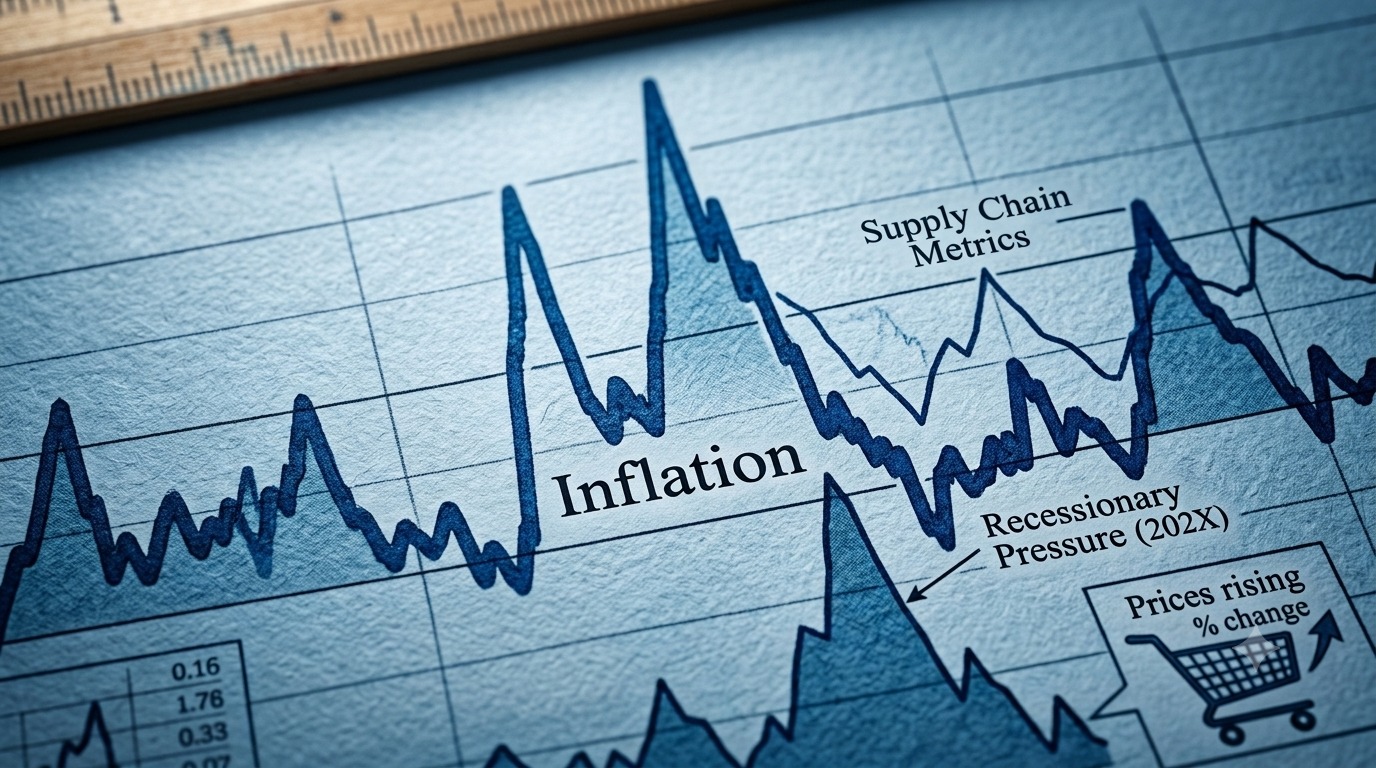

Reuters reported that equity markets found support following inflation data that reinforced expectations the Federal Reserve could maintain current interest rates rather than introduce additional monetary tightening. Investors interpreted the figures as reducing near-term policy uncertainty, allowing greater attention to shift towards corporate earnings and broader economic fundamentals.
The reporting season has become an equally important driver of market sentiment. Early earnings from major financial institutions have generally reflected resilient balance sheets, healthy client activity and disciplined cost management, suggesting that many large businesses continue adapting effectively to higher borrowing costs and slower global growth. Investors are now assessing whether similar trends will emerge across technology, industrial and consumer sectors.
Commodity markets remain another important variable. Rising oil prices linked to geopolitical tensions continue presenting inflationary risks that could influence central bank policy and corporate profitability. Businesses exposed to transportation, manufacturing and logistics costs remain particularly sensitive to sustained increases in energy prices, while investors continue monitoring whether commodity inflation could interrupt the broader disinflationary trend.
Beyond short-term market movements, institutional investors are increasingly positioning portfolios around structural themes rather than cyclical fluctuations. Artificial intelligence, digital infrastructure, energy security and industrial resilience continue attracting significant capital as governments and corporations accelerate long-term investment programmes. These themes are increasingly shaping asset allocation decisions across both developed and emerging markets.
For corporate executives, improving market stability may create opportunities to revisit expansion plans, refinancing strategies and strategic acquisitions that were previously delayed by policy uncertainty. Nevertheless, businesses remain cautious, recognising that geopolitical developments, inflation dynamics and central bank communications could quickly alter investor expectations.
Attention now turns to additional earnings releases, central bank commentary and forthcoming economic indicators, all of which will determine whether current optimism evolves into sustained market momentum or gives way to renewed volatility. For investors, the coming weeks are expected to provide clearer evidence regarding the durability of global economic growth and the direction of financial markets during the remainder of 2026.