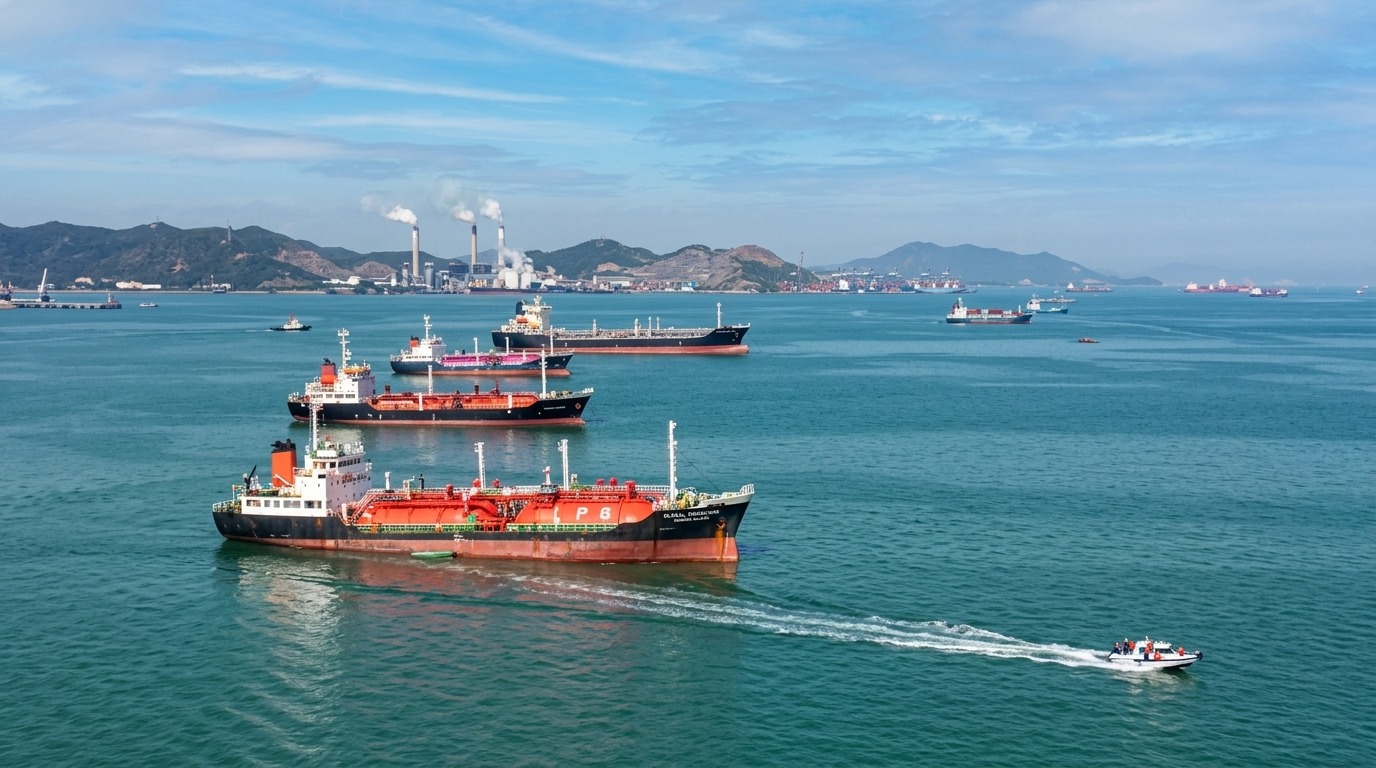
Oil markets moved higher following reports of escalating regional security concerns, reminding policymakers that geopolitical developments continue to represent one of the most significant risks to global energy stability. Although physical supplies remain largely uninterrupted, market participants are increasingly pricing in the possibility of future disruptions affecting production facilities, export terminals and key international shipping routes.
Higher energy prices carry consequences well beyond commodity markets. Manufacturing companies face increased production costs, airlines and logistics operators encounter higher fuel expenses, while consumers may experience renewed inflationary pressure through transportation and utility costs. These developments complicate the outlook for central banks already balancing moderating inflation against uncertain global growth.
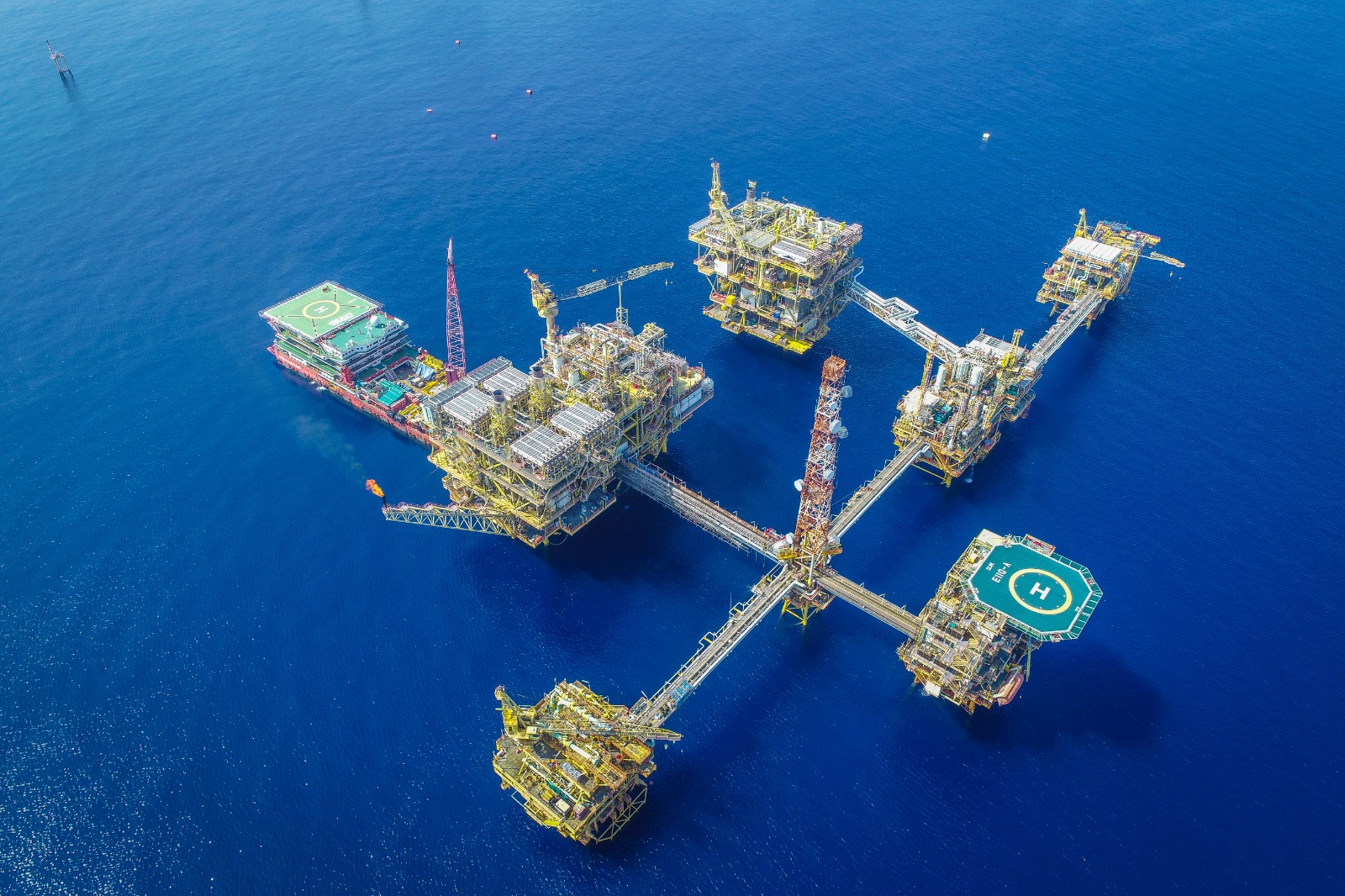
The evolving environment is reinforcing long-term infrastructure priorities. Governments are increasing investment in electricity transmission networks, liquefied natural gas terminals, strategic petroleum reserves and renewable energy projects aimed at reducing dependence on vulnerable supply chains. Energy companies are likewise expanding investment in storage capacity, digital monitoring systems and operational resilience to strengthen continuity during periods of market disruption.
Institutional investors increasingly view infrastructure assets as strategically important rather than purely defensive investments. Capital continues flowing towards projects supporting electricity generation, battery storage, hydrogen production and modern logistics networks, reflecting expectations that energy security will remain central to industrial competitiveness throughout the coming decade.
For businesses, the latest developments reinforce the importance of supply-chain diversification and operational flexibility. Companies dependent on imported energy or internationally integrated manufacturing networks are reassessing procurement strategies while seeking greater resilience against geopolitical volatility.
The current environment demonstrates that infrastructure investment has become inseparable from economic security. Reliable access to affordable energy increasingly influences national competitiveness, foreign investment attraction and industrial productivity. As governments continue balancing decarbonisation with energy reliability, infrastructure spending is expected to remain one of the defining investment themes shaping global economic policy over the medium term.
Investors will now monitor geopolitical developments, OPEC production decisions and government infrastructure programmes for further indications of how energy security priorities are reshaping global capital allocation.