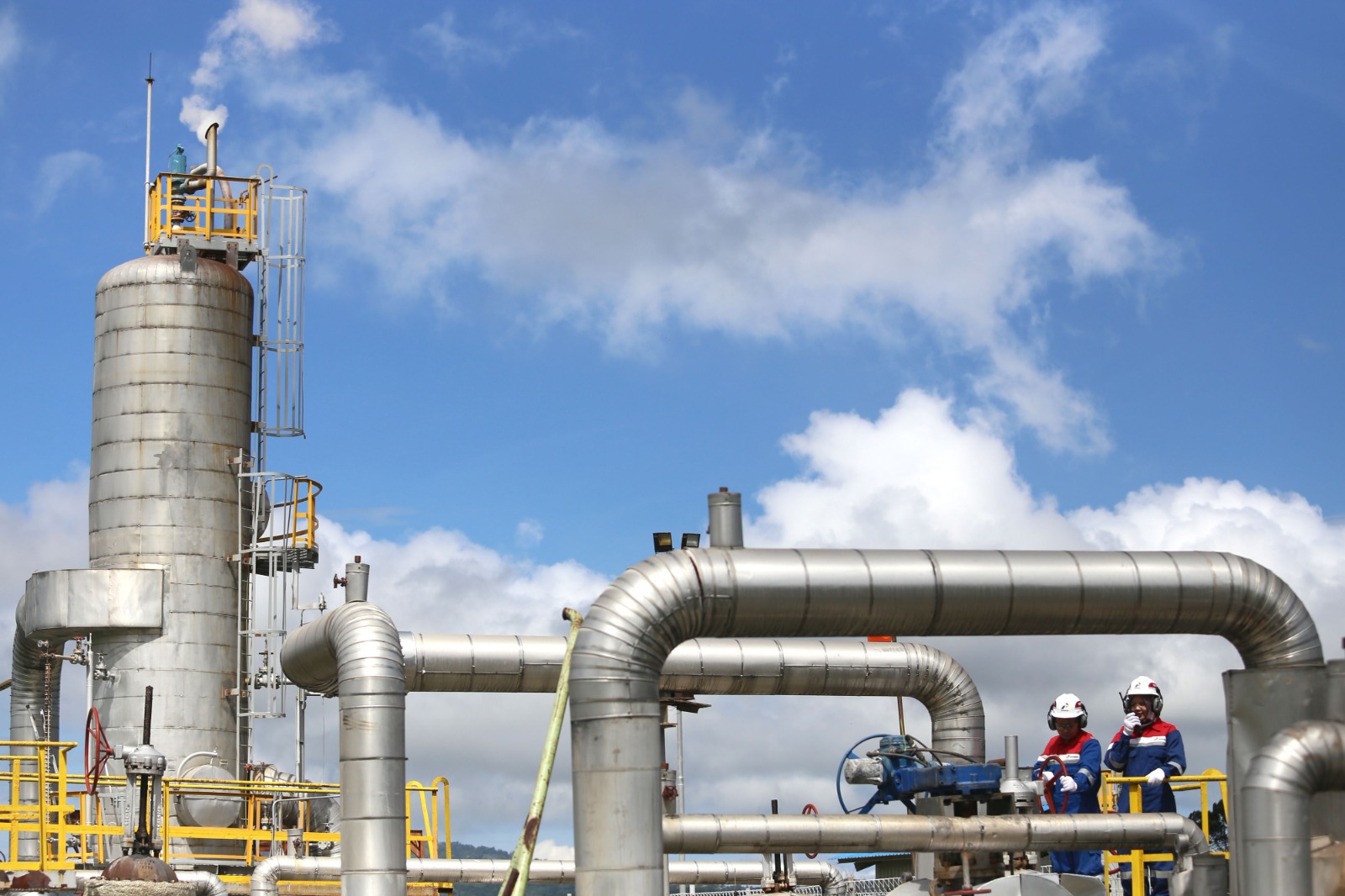
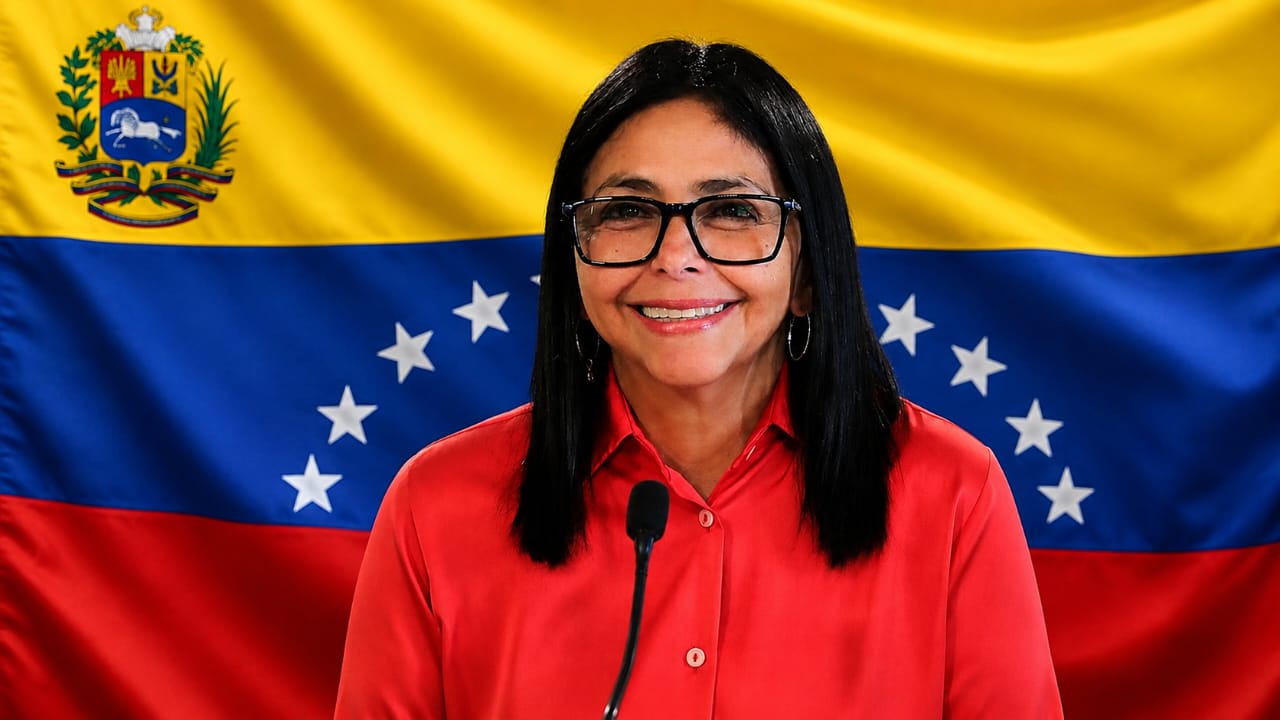
Interim President Delcy Rodriguez said the agreement would remain in force for 25 years and target an increase in Venezuelan crude production to 1.5 million barrels per day. The framework covers 17 strategic oilfields and eight new development blocks, according to Reuters.
The scale of the proposed investment is significant for a country that possesses some of the world's largest proven oil reserves but has struggled to translate that resource base into sustained production and government revenue.
Rodriguez said Venezuela would retain sovereignty over its natural resources while allowing U.S. companies and private-sector partners to assume majority control in projects involving more than 65 billion barrels of proven reserves. The Venezuelan government estimates the arrangement could generate about $209 billion in revenue for the state, including approximately $19 per barrel flowing directly to government coffers.
The agreement follows President Donald Trump's announcement that the United States had secured majority control of a substantial portion of Venezuela's oil reserves through the new framework. The arrangement signals a major shift from years of sanctions and confrontation towards a model centred on American participation in Venezuela's energy reconstruction.
For Washington, increased Venezuelan production could strengthen energy security and potentially place downward pressure on U.S. fuel prices. For Caracas, access to capital, technology and international oil expertise could provide a route towards restoring an industry weakened by years of underinvestment and operational disruption.
Yet the agreement also carries political risks. The concentration of foreign participation in strategic oil assets is likely to fuel domestic debate over sovereignty, ownership and the distribution of future revenues.
The commercial challenge is equally substantial. Moving towards 1.5 million barrels per day will require sustained investment, functioning infrastructure and operational stability across fields and export networks.
Aldrenor assessment: The agreement is more than an oil-production plan. It represents a potential realignment of Venezuela's economic relationship with Washington, with energy becoming the principal instrument of a new strategic partnership.