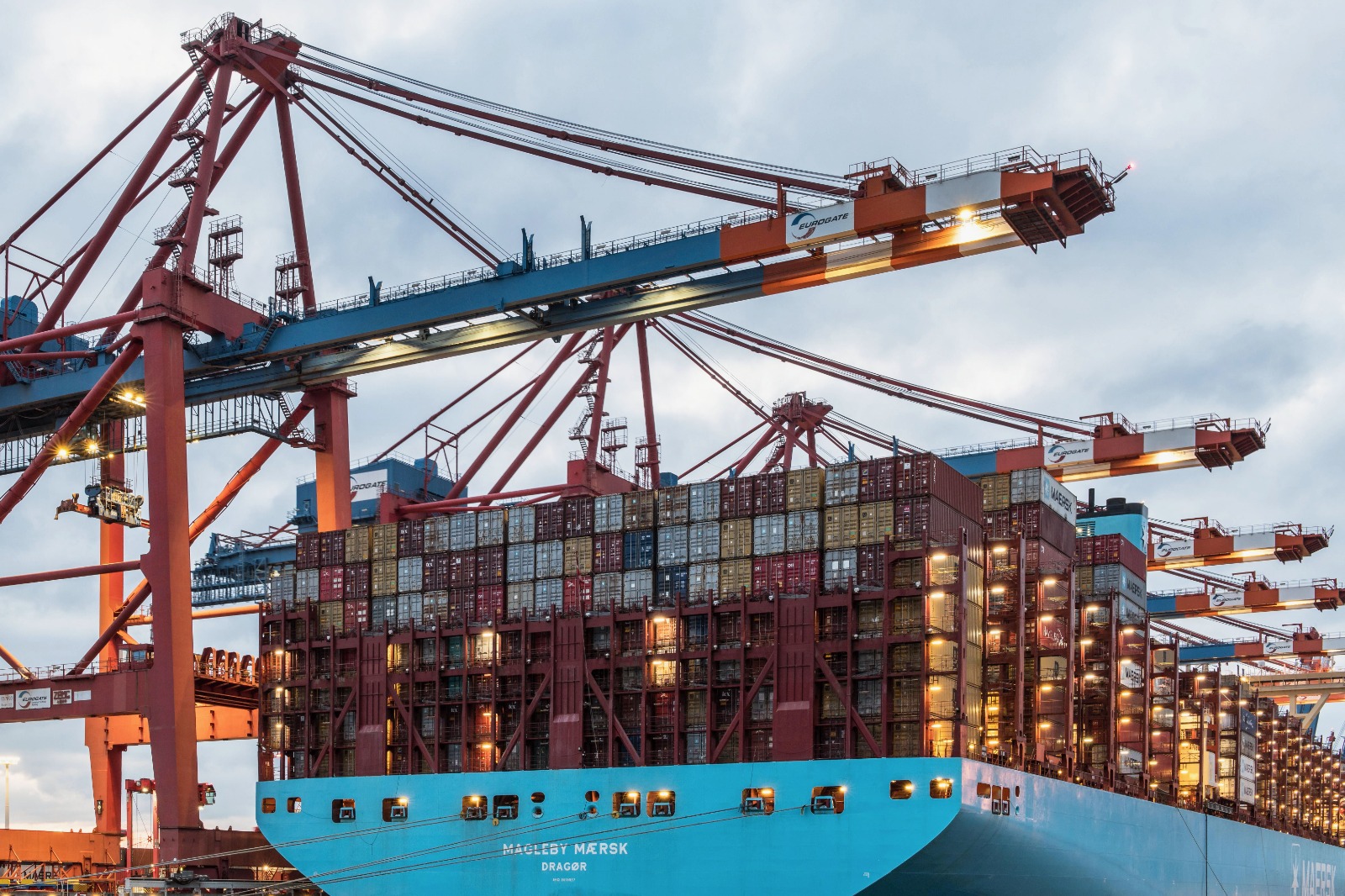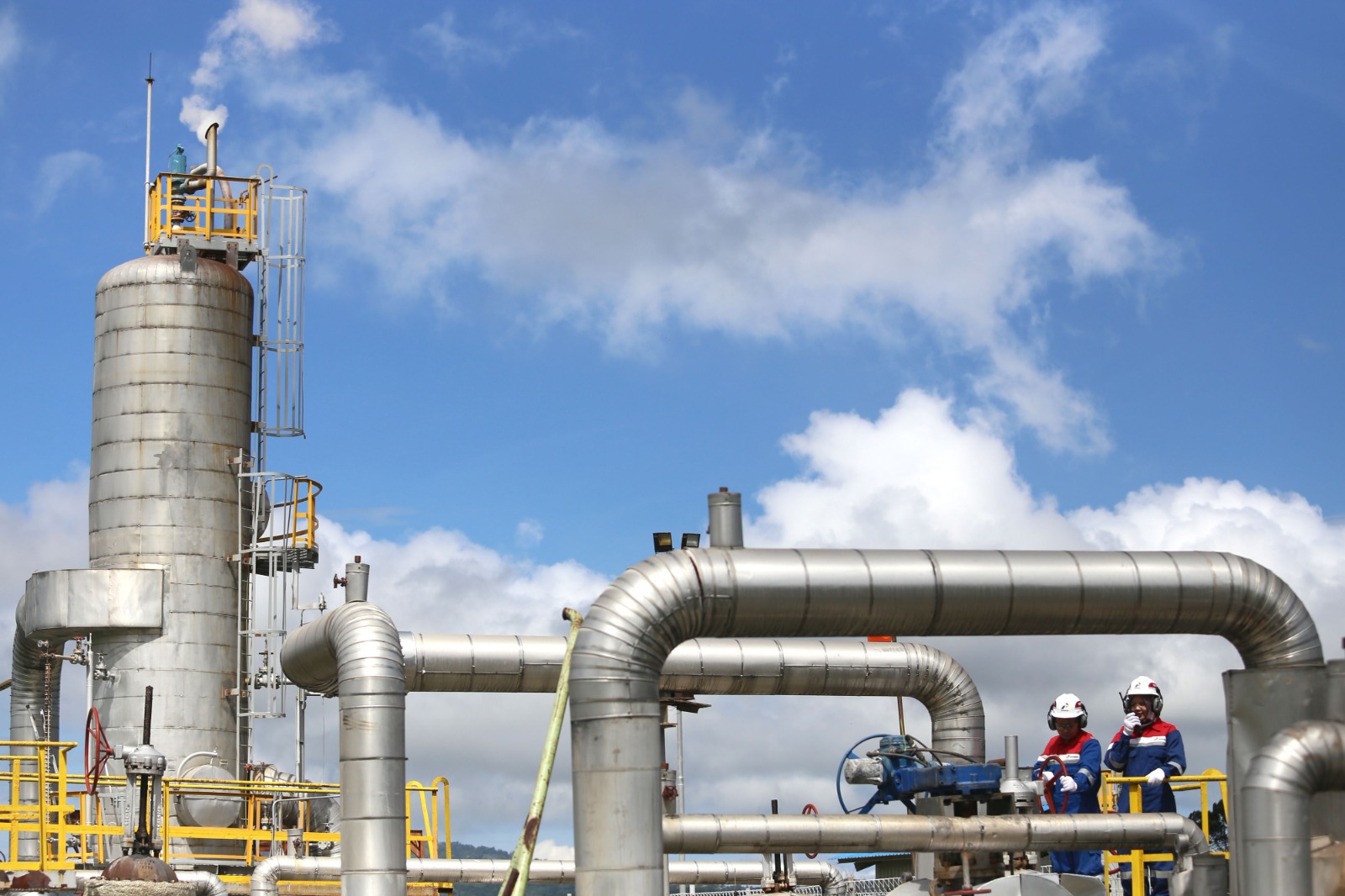
Brent crude climbed towards $107 a barrel as attacks on Saudi energy infrastructure and continued disruption around key Middle Eastern shipping routes heightened fears over the availability of global oil supplies. The rise in energy prices has added another complication for central banks already confronting inflation that remains above target.
Japan's Nikkei fell about 1%, while South Korea's KOSPI dropped 3.2%, reflecting a broader retreat from risk assets. U.S. equity futures also weakened, with Nasdaq futures falling around 1.3% as investors reassessed the outlook for technology stocks and borrowing costs.
The pressure extended into fixed income markets. The U.S. 10-year Treasury yield remained near 5%, increasing the relative appeal of bonds while raising financing costs for companies and consumers. Higher yields can also weigh on equity valuations by increasing the discount rate applied to future corporate earnings.
Markets were simultaneously increasing bets on monetary tightening. A stronger-than-expected August inflation reading lifted expectations that the Federal Reserve could raise rates at its forthcoming meeting, while the Bank of Japan was also expected to consider a 25-basis-point increase.
The combination of higher oil prices and tighter monetary policy presents a difficult backdrop for the global economy. Energy-intensive industries face increased costs, while households could see pressure on transport and utility expenses. For emerging markets, a stronger dollar and higher global yields could further increase the cost of external financing.
Investors are therefore watching whether the oil shock remains temporary or develops into a broader inflationary cycle. A sustained disruption to Middle Eastern supplies could force central banks to keep monetary policy tighter for longer, potentially slowing investment and economic activity.
The latest market moves underscore how quickly geopolitical risks are feeding through to asset prices, inflation expectations and monetary policy across the global economy.