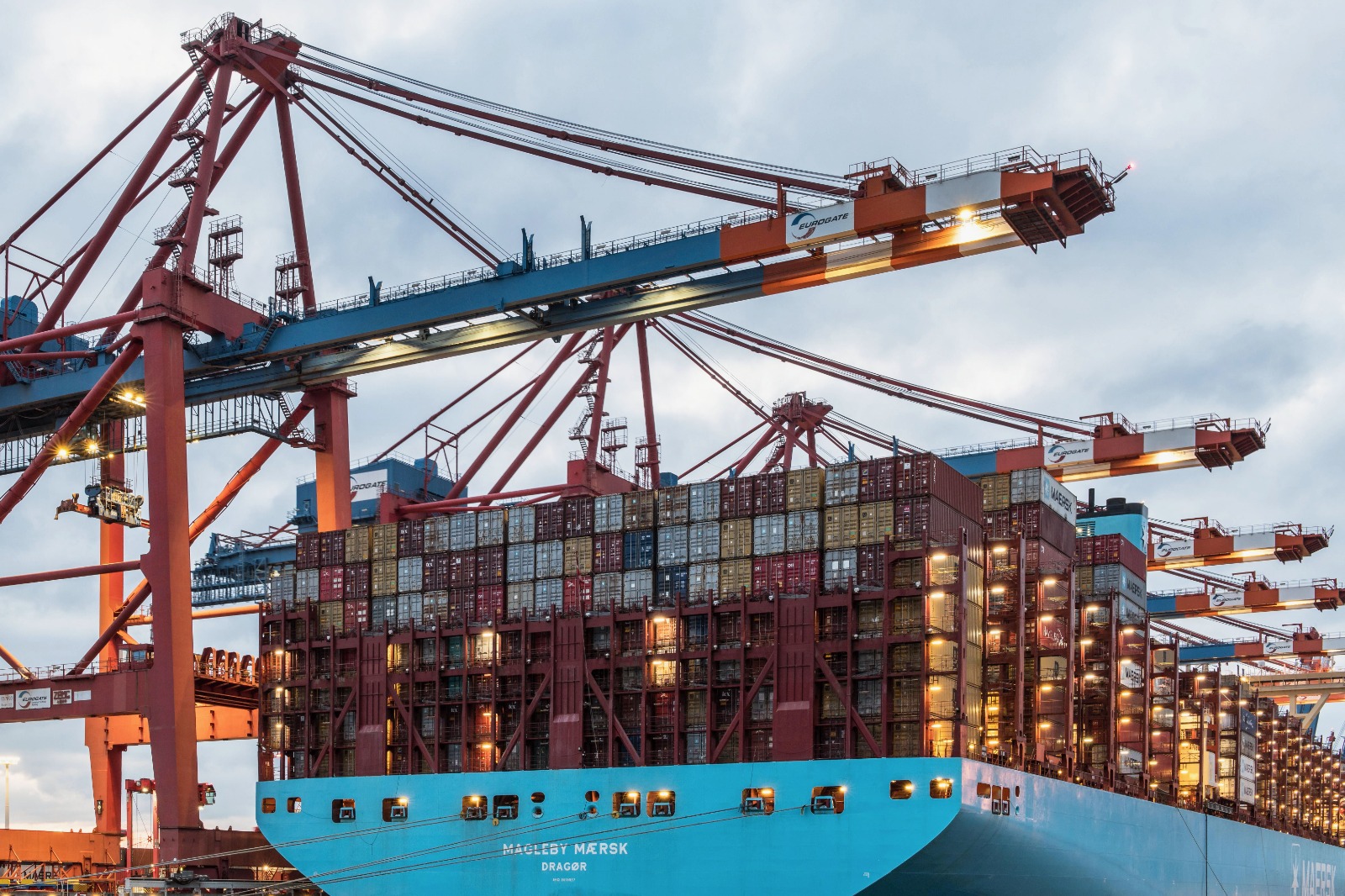
Only four commodity vessels transited the Strait on Tuesday, according to preliminary data from ship-tracking company Kpler. That compared with 10 vessels the previous day and a 10-day average of roughly 13. The vessels included a very large crude carrier, a Panamax tanker, a Kamsarmax bulk carrier and an intermediate tanker.
The decline is significant because shipping behaviour often provides an early indication of how geopolitical risk is affecting physical trade. Even when a waterway remains technically navigable, commercial operators may reduce movements if insurance costs rise, crews face greater danger, or the probability of attack becomes unacceptable.
The latest figures come after two supertankers carrying Saudi oil were struck by projectiles while travelling through the Strait. Saudi shipping company Bahri subsequently reported the deaths of two Filipino seafarers in an incident in the area.
The consequences extend beyond crude oil. Reuters reported on Wednesday that LNG cargoes from Qatar and the United Arab Emirates were being transferred between vessels outside the Strait in an unusual effort to maintain deliveries to customers in Asia. Asian spot LNG prices have already risen to around $23.20 per million British thermal units, more than twice pre-conflict levels.
That adaptation highlights the growing importance of alternative logistics. Rather than relying entirely on normal tanker movements, energy companies are increasingly employing ship-to-ship transfers and other measures to keep cargoes moving.
But such workarounds come with higher costs and operational risks.
For global markets, the question is whether reduced shipping represents a temporary security response or the beginning of a structural disruption to Gulf trade.
A sustained decline would increase freight, insurance and commodity costs while tightening energy availability for major Asian importers.
The Strait of Hormuz is therefore becoming an increasingly important indicator for global economic risk. The longer vessel traffic remains depressed, the greater the likelihood that today's geopolitical crisis develops into tomorrow's inflation and supply-chain shock.