Officials attending the annual Jackson Hole Economic Symposium left the gathering less reassured about the durability of established financial norms, according to people familiar with the discussions. European policymakers were particularly unsettled by recent U.S. Treasury actions involving foreign-exchange markets and long-dated government bonds, which they viewed as insufficiently transparent and potentially disruptive to established practices.
The concerns extend beyond individual market interventions. European officials are increasingly focused on whether political pressure could eventually affect the independence of the Federal Reserve, or whether long-standing financial backstops between central banks could become vulnerable to changes in U.S. policy.
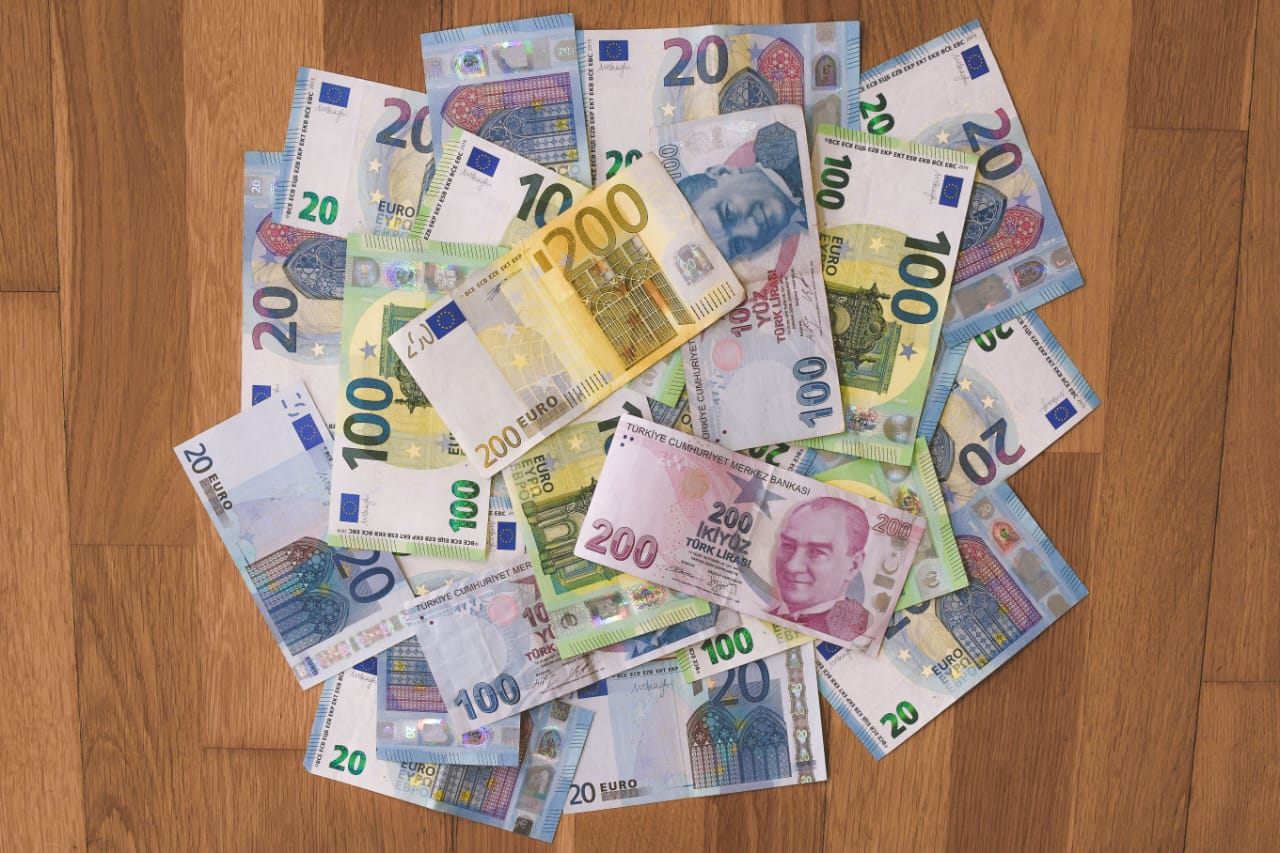
Recent U.S. measures included intervention involving the euro to support the Japanese yen, alongside increased purchases of longer-term Treasury securities intended to reduce borrowing costs. Washington has sought to distinguish such actions from conventional monetary policy, while Federal Reserve officials have maintained that the central bank remains independent.
For European policymakers, however, the distinction may offer limited reassurance if markets begin to question the predictability of U.S. institutions. The dollar's central role in global finance means that uncertainty surrounding U.S. policy can quickly transmit through currency, bond and funding markets.
The issue is particularly sensitive as policymakers confront an environment already marked by geopolitical tensions, elevated fiscal demands and shifting expectations over interest rates. Any deterioration in central-bank cooperation could increase the premium investors demand for holding assets exposed to policy uncertainty.
For Europe, the challenge is therefore broader than managing short-term market volatility. Policymakers must assess whether the institutional assumptions that have supported transatlantic financial coordination for decades remain reliable.
The immediate risk is not necessarily a breakdown in cooperation, but a gradual erosion of confidence. If investors begin pricing a greater probability of political intervention or fragmented policy responses, market volatility could become more persistent.
Aldrenor assessment: The significance lies less in any single U.S. intervention than in the growing perception among European policymakers that the rules governing global financial coordination may be entering a period of structural uncertainty.