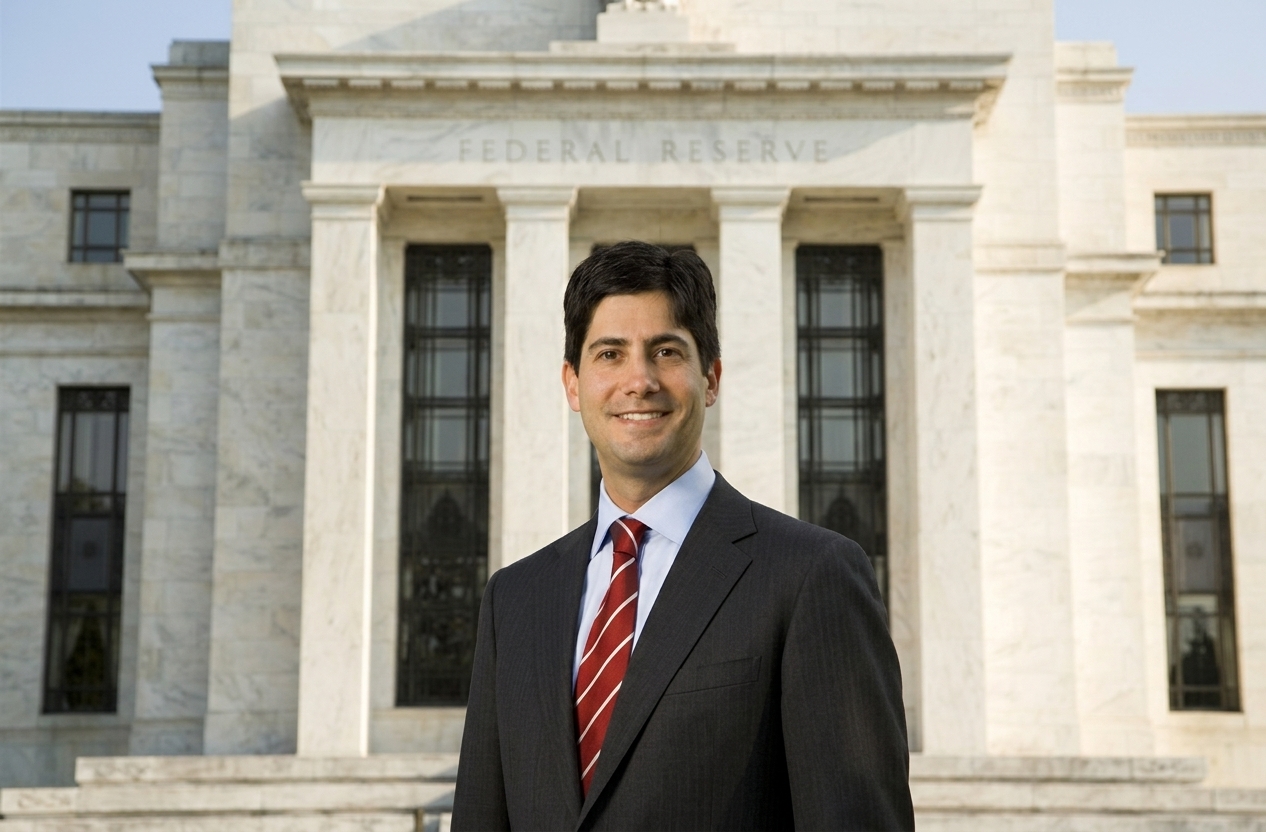
The speech has become an important test of Warsh's monetary-policy framework. Reuters reported that investors are particularly focused on whether he regards current inflation as a temporary complication or a problem requiring a more restrictive policy response.
The difficulty is that the economic signals are moving in different directions.
Inflation remains above the Federal Reserve's 2% objective, while geopolitical disruption and energy-market volatility create additional upside risks. At the same time, investors are watching the labour market for evidence that economic momentum is weakening enough to justify easier monetary conditions.
Financial markets have consequently become highly sensitive to Warsh's language.
The dollar was trading near a one-week high on Friday as investors awaited his remarks, while traders were pricing the possibility of at least one 25-basis-point rate increase during the year. Gold was also edging higher as markets waited for clearer signals from the Fed.
The stakes extend beyond US monetary policy.
The world's largest central bank remains a major anchor for global borrowing costs, currency markets and capital flows. Any indication that Warsh is prepared to tolerate higher inflation for longer could push Treasury yields higher and tighten financial conditions elsewhere. Conversely, a more dovish interpretation could support risk assets but potentially weaken confidence in the Fed's inflation-fighting credibility.
Warsh is also facing scrutiny over longer-term bond-market pressures and the US Treasury's efforts to influence borrowing costs. Reuters has noted that the bond market has become an increasingly important backdrop to his debut.
Aldrenor Assessment: Warsh's immediate challenge is not simply deciding where rates should go. It is convincing markets that the Fed can manage inflation, growth and financial stability without allowing expectations about any one of those variables to dominate policy.