
Non-farm payrolls increased by 162,000 in August, nearly three times the 56,000 gain economists had forecast. The unemployment rate remained at 4.1%, while labour-force participation improved to 61.6% from 61.4% in July.
The report materially changes the policy debate. A labour market capable of generating significantly more jobs than expected gives policymakers less immediate justification for easing monetary conditions. At the same time, the persistence of employment demand raises the possibility that underlying inflation pressures could prove more resistant than previously anticipated.
Markets reacted accordingly. Treasury yields moved higher and the dollar strengthened after the report, while equities weakened as investors reduced expectations for near-term monetary easing.
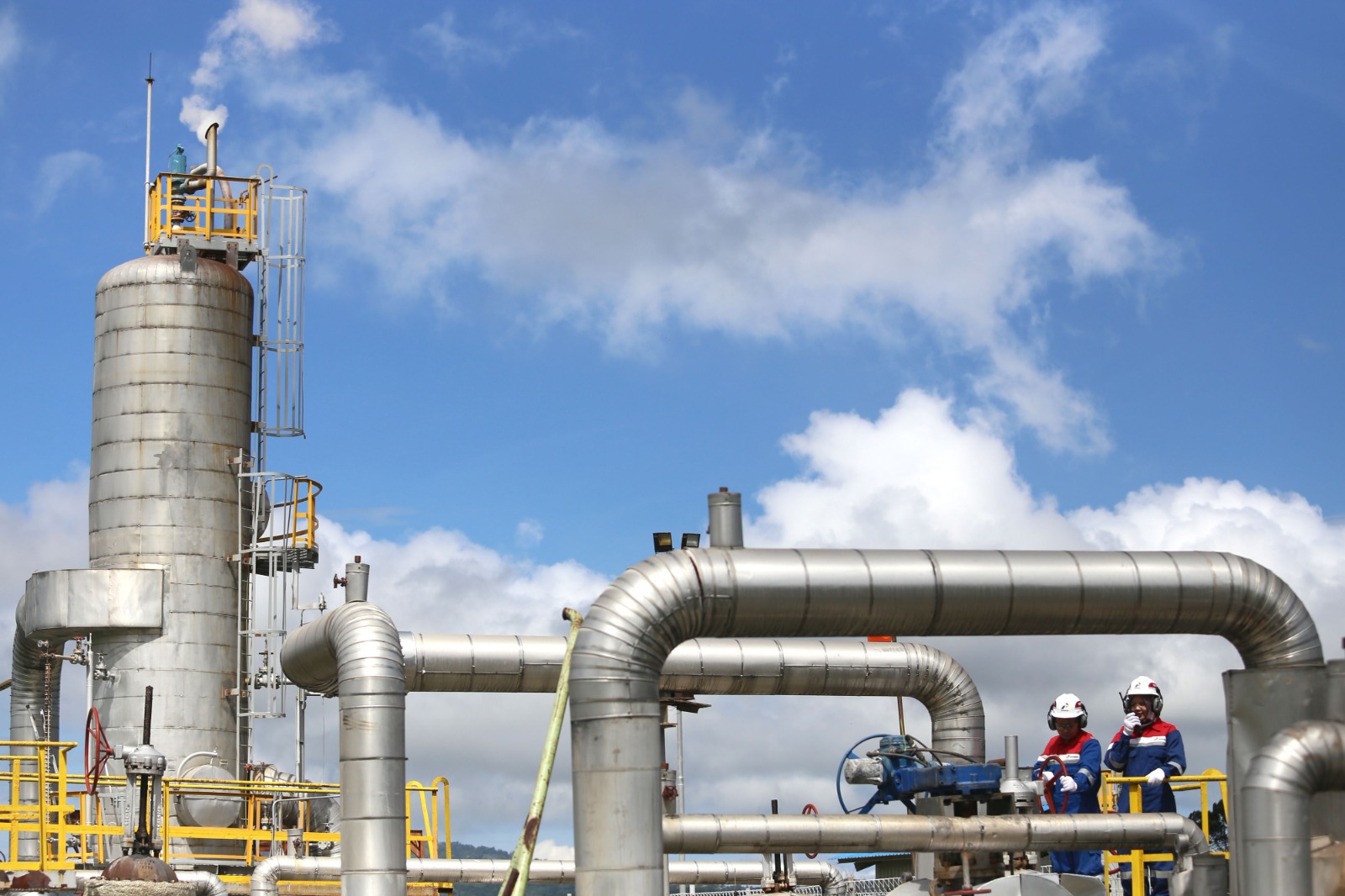
The significance is amplified by the energy shock. Oil prices have risen sharply as the US-Iran conflict disrupts supply, while US diesel prices have reached record levels. Higher energy costs can feed into transport, manufacturing and consumer prices, creating a potentially difficult environment for a central bank attempting to balance growth against inflation.
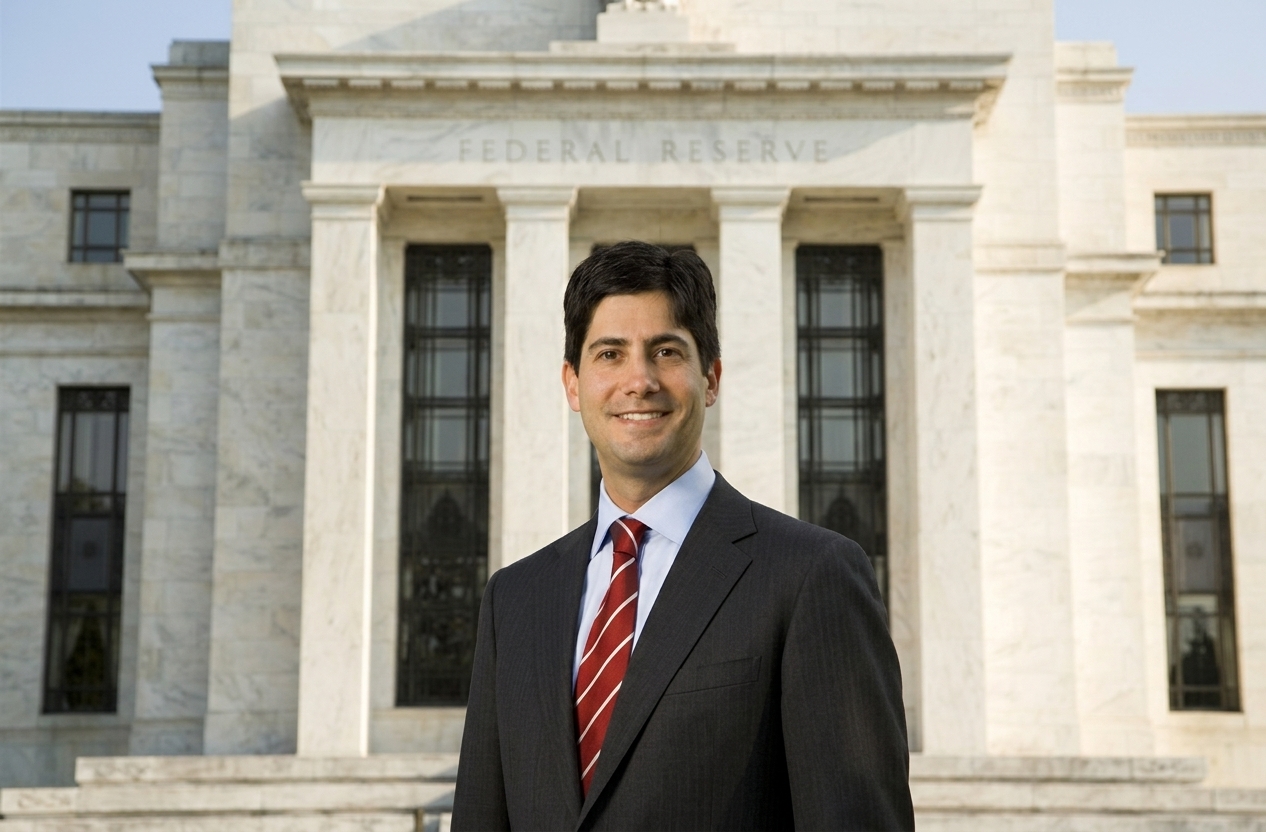
The Federal Reserve therefore faces a more complicated policy equation. A resilient labour market provides room to maintain restrictive policy, but an externally driven energy shock could weaken household purchasing power and corporate margins even as headline inflation rises.
The jobs data also complicate political pressure for lower borrowing costs. Expectations of rapid monetary easing had been supported by concerns over softer economic activity, but the August employment figures weaken that argument.
Investors will now turn towards forthcoming inflation indicators for confirmation. Reuters reported that markets are preparing to scrutinise next week's inflation data for clues about the trajectory of US interest rates.
The central question has shifted from whether the US economy can withstand restrictive monetary policy to how long the Federal Reserve can maintain that stance if energy inflation and geopolitical risk continue to intensify.