The easing in transportation costs follows a broader decline in oil prices and improving shipping conditions, offering relief to an industry that has faced persistent pressure from higher production expenses, wage inflation and changing consumer demand.
Major fashion brands are entering the second half of the year with renewed focus on inventory optimisation, aiming to avoid the excess stock and discounting that affected profitability during previous retail cycles. Analysts say improved supply-chain visibility is allowing companies to shorten production timelines and respond more quickly to changing consumer preferences.
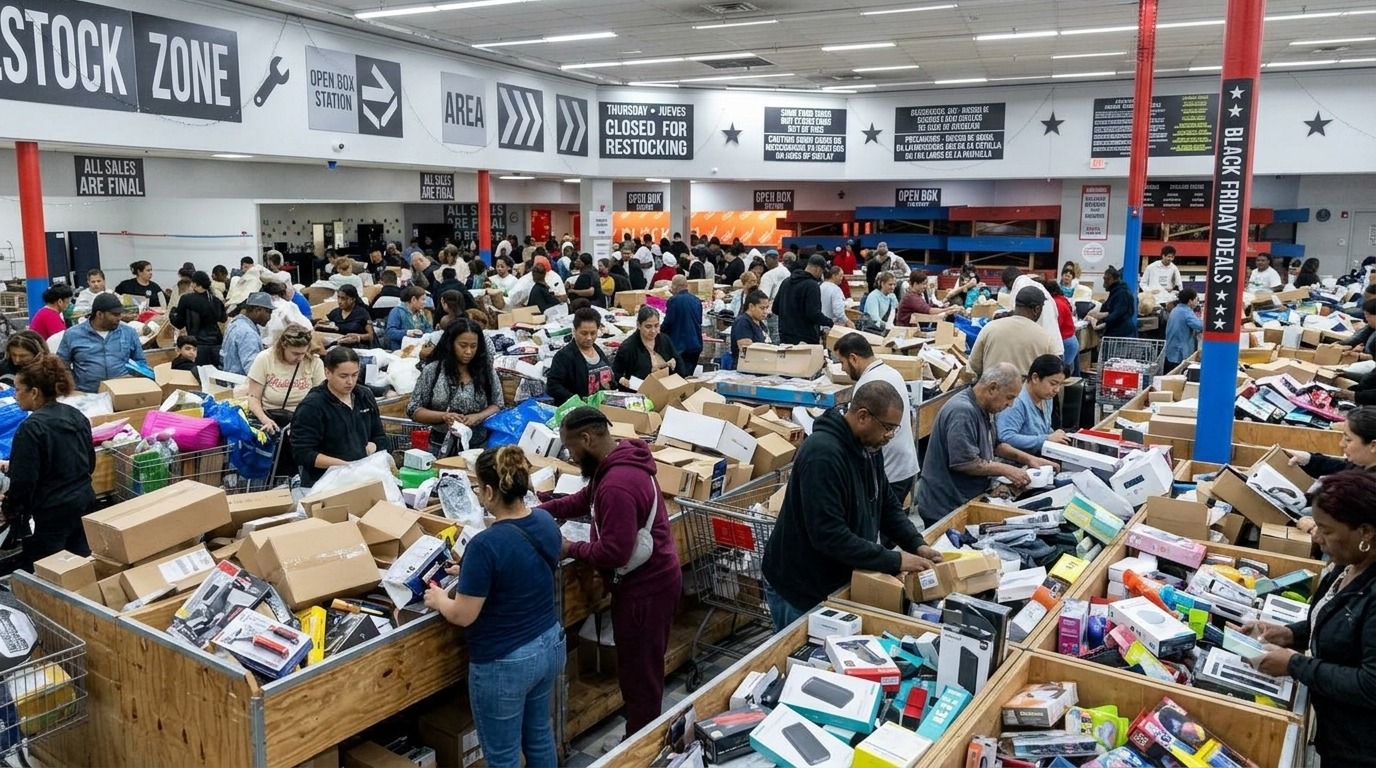
Retail executives are also evaluating workforce requirements ahead of the holiday shopping season. While hiring remains cautious amid uncertain economic conditions, stronger margin expectations could support recruitment across logistics, warehousing, merchandising and digital commerce functions.
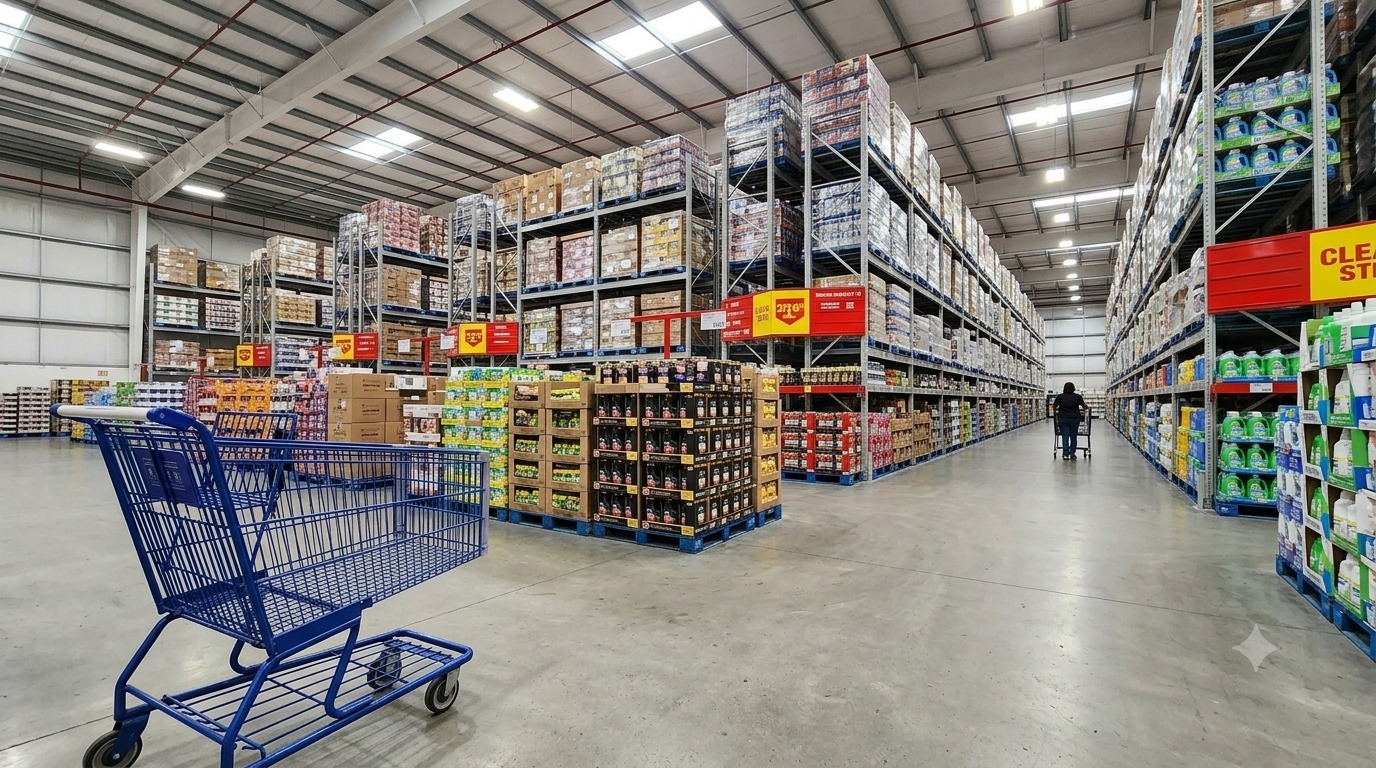
Lower transportation costs are expected to benefit manufacturers sourcing materials across Asia, Europe and Africa, reducing pressure on international supply chains and improving delivery reliability. Businesses that depend on cross-border production networks are likely to see greater flexibility in procurement and inventory management.
Despite improving conditions, executives remain cautious about broader macroeconomic risks. Consumer spending continues to be influenced by inflation, borrowing costs and wage growth, while geopolitical developments remain capable of disrupting global trade routes with little warning.
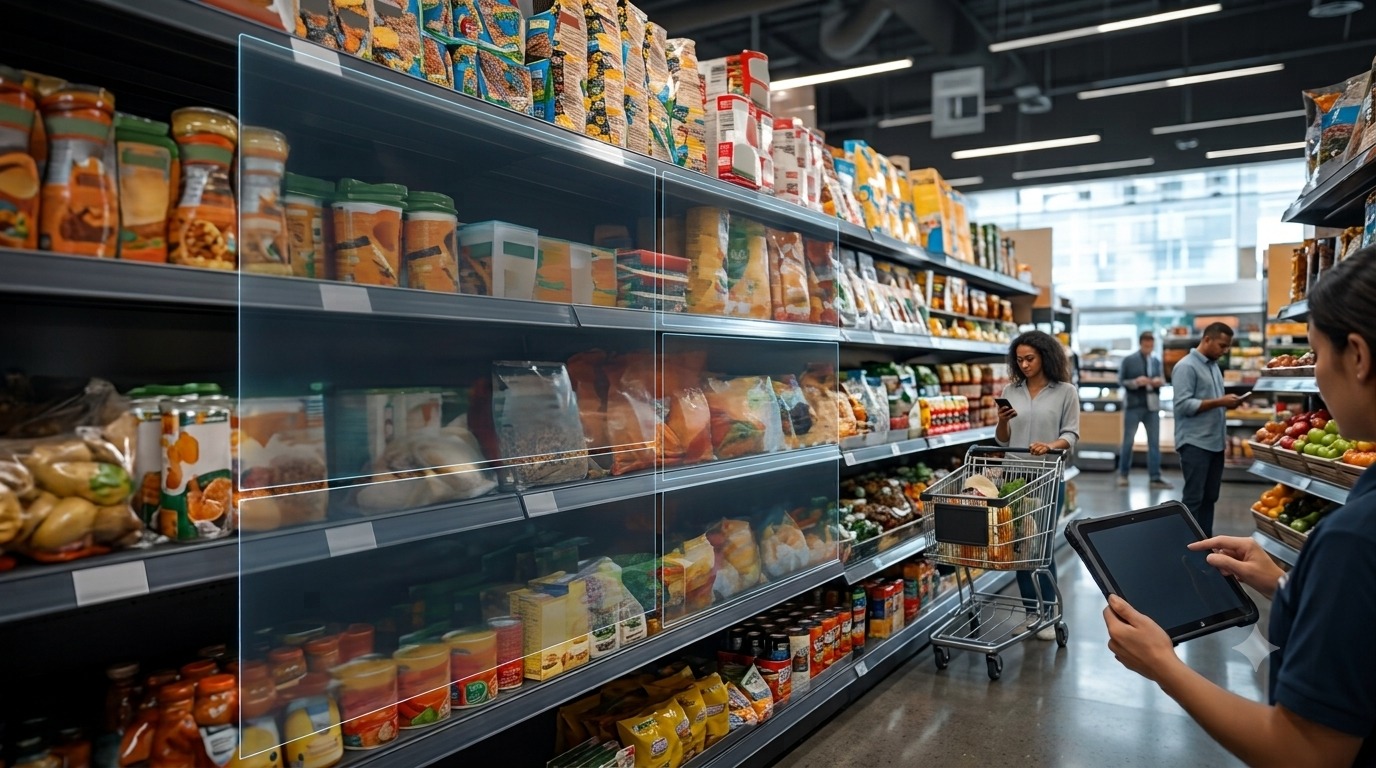
Industry analysts say companies investing in digital supply-chain management, automation and data-driven inventory planning are likely to strengthen competitiveness as the retail sector enters a more stable operating environment.
For investors, attention is increasingly shifting from cost recovery to sustainable growth. Businesses demonstrating disciplined inventory management, resilient supply chains and stronger operating margins may be better positioned to navigate the evolving consumer landscape.
As the global retail industry adapts to changing market conditions, executives are focusing less on crisis management and more on building operational resilience capable of supporting long-term growth.