Executives across apparel, footwear and luxury goods companies are reassessing procurement schedules and logistics strategies as geopolitical tensions continue to influence shipping routes and transportation costs. While supply chains have largely stabilised since the disruptions of the pandemic, businesses say renewed volatility in energy markets is once again testing operational resilience.
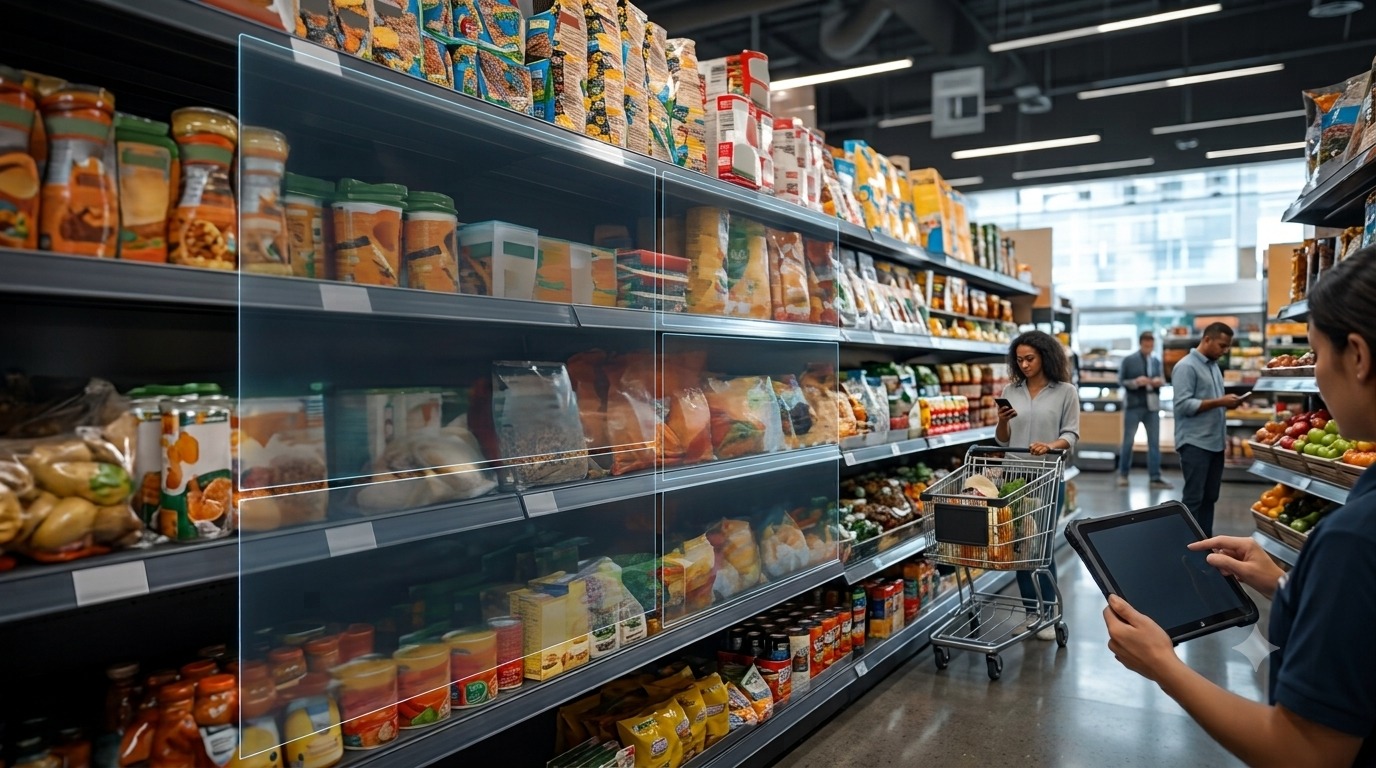
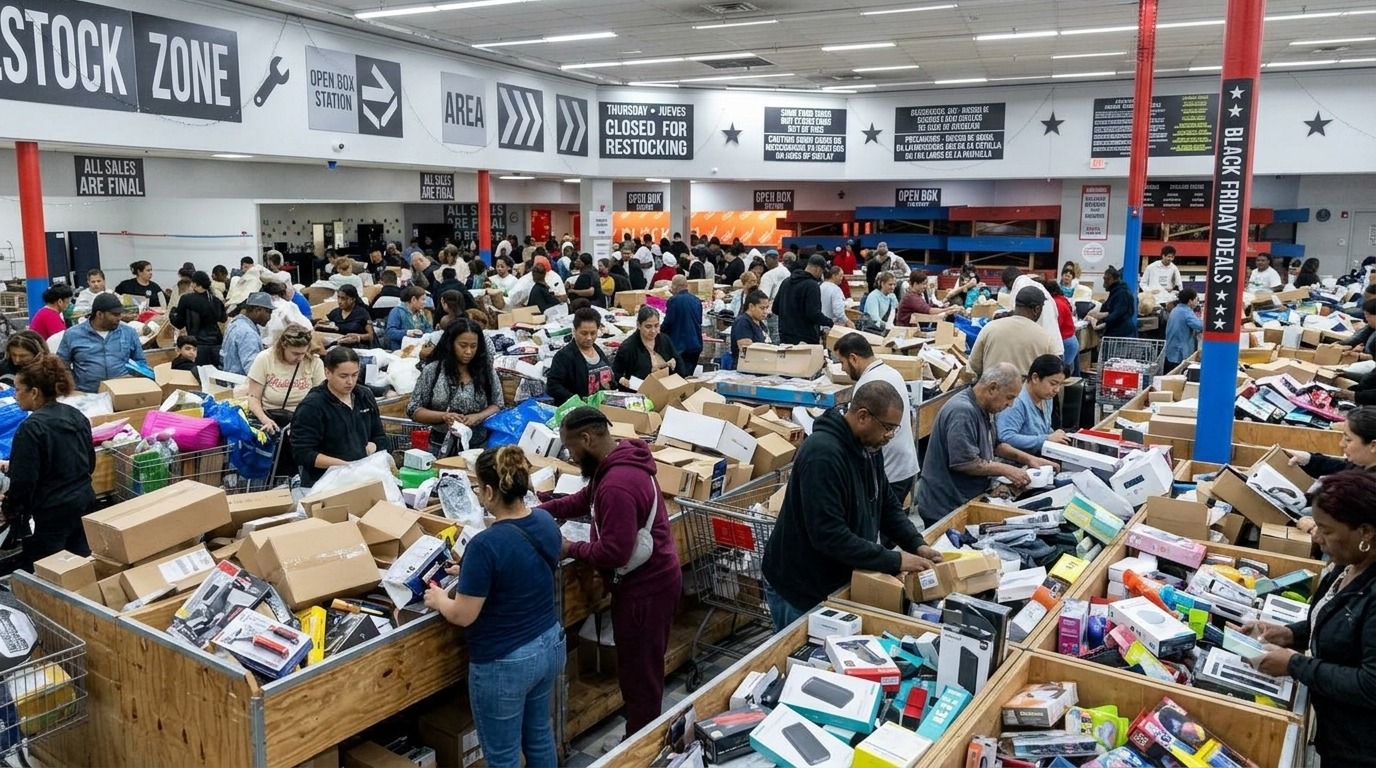
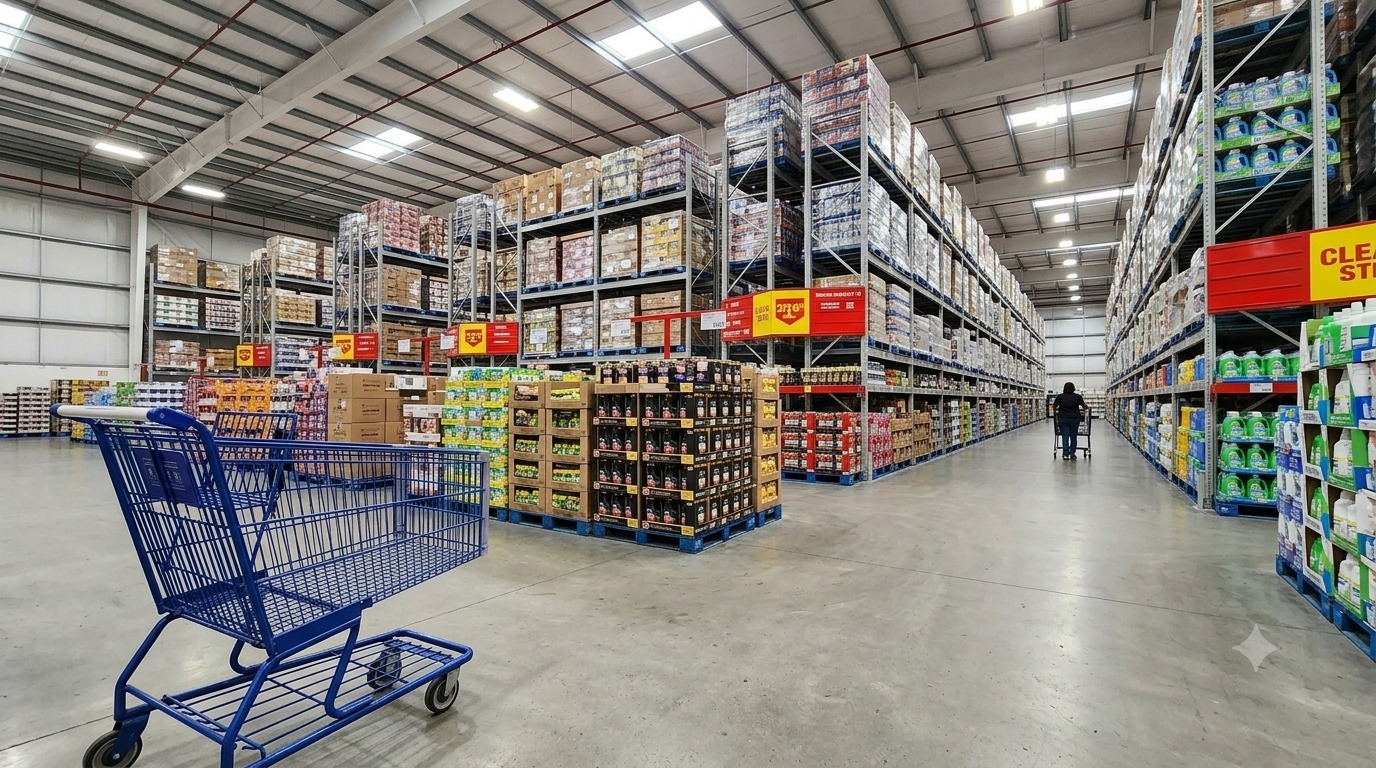
Retailers entering the second half of the year face a delicate balancing act. Companies must maintain sufficient inventory for seasonal demand while avoiding excess stock that could require discounting should consumer spending weaken. Higher transportation costs are also affecting sourcing decisions, with many firms expanding regional manufacturing networks to reduce exposure to long-distance shipping.
Labour markets remain another challenge. Wage pressures in manufacturing centres and distribution hubs continue to increase operating expenses, while businesses compete for skilled workers in logistics, warehousing and digital commerce.
Industry analysts say the convergence of higher fuel costs, labour expenses and cautious consumer demand is reshaping business models across the sector. Many brands are investing in supply-chain technology, automation and inventory analytics to improve efficiency and protect profitability.
Luxury retailers may prove more resilient due to stronger pricing power, while mass-market brands could face greater difficulty passing higher costs on to consumers without affecting demand.
Investors are monitoring earnings guidance from major retail groups for indications of how sustained logistics inflation may affect revenue growth and profit margins during the remainder of the year.
Economists note that consumer industries often provide an early indication of broader economic conditions. Weak retail performance may reflect declining household purchasing power, while resilient demand could signal continued confidence despite inflationary pressures.
For executives, the current environment reinforces the importance of diversified sourcing, agile logistics networks and disciplined cost management as the retail industry navigates an increasingly uncertain global trading landscape.