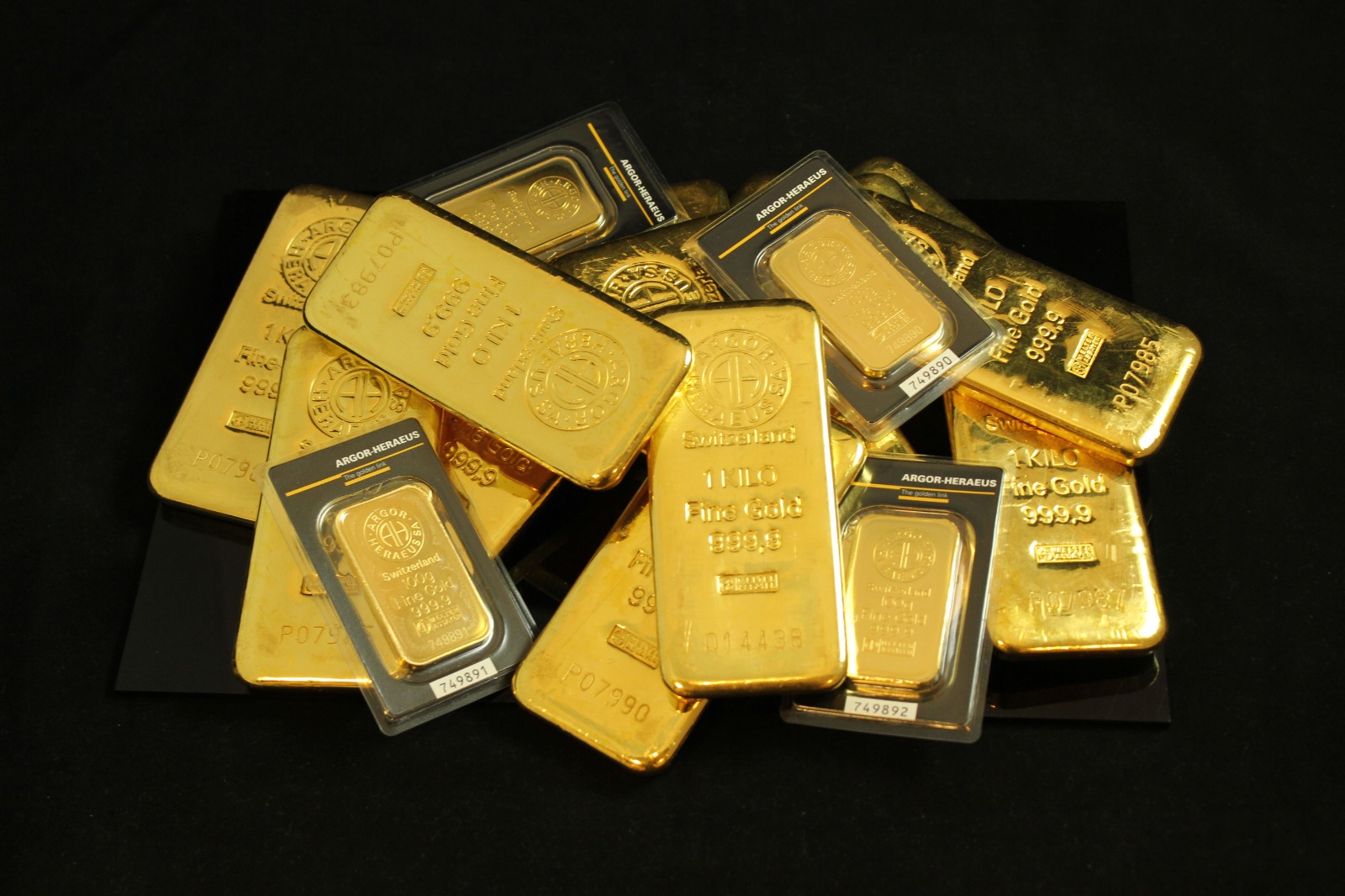
The precious metal has benefited from demand for a store of value during a period of geopolitical and economic uncertainty, but the latest move reflects a familiar tension in gold markets: expectations for monetary policy can quickly outweigh safe-haven demand when investors reassess the outlook for interest rates.
The US personal consumption expenditures price index, a key inflation measure watched by the Federal Reserve, was due later on Wednesday. Investors were looking for evidence of whether underlying price pressures are easing sufficiently to support lower borrowing costs or whether inflation remains persistent enough to keep policymakers cautious.
Gold does not generate interest income, making its relative attractiveness sensitive to real interest rates and expectations for monetary policy. A shift towards fewer or later rate cuts can therefore increase the opportunity cost of holding bullion, while expectations of monetary easing can strengthen demand.
The market is also watching developments beyond the US. China's net gold imports through Hong Kong rose by about 11% in July, providing evidence of continued physical demand from one of the world's most important gold markets.
The Federal Reserve's communication will remain another source of volatility. Attention is already turning towards Federal Reserve officials' remarks at the Jackson Hole economic symposium later this week, including a speech by Kevin Warsh scheduled for Friday.
For investors, the gold market therefore sits at the intersection of monetary policy, inflation expectations, geopolitical risk and central-bank demand. A weaker inflation reading could reinforce expectations for easier policy and potentially support bullion, while stronger price pressures could encourage investors to reassess the pace of monetary easing.
The significance extends to currencies and bond markets. Changes in US rate expectations can influence the dollar and Treasury yields, creating secondary effects across commodities and emerging-market assets.
What to watch: the US inflation reading, Federal Reserve commentary at Jackson Hole, Treasury yields, the dollar and evidence of sustained physical gold demand from China.