
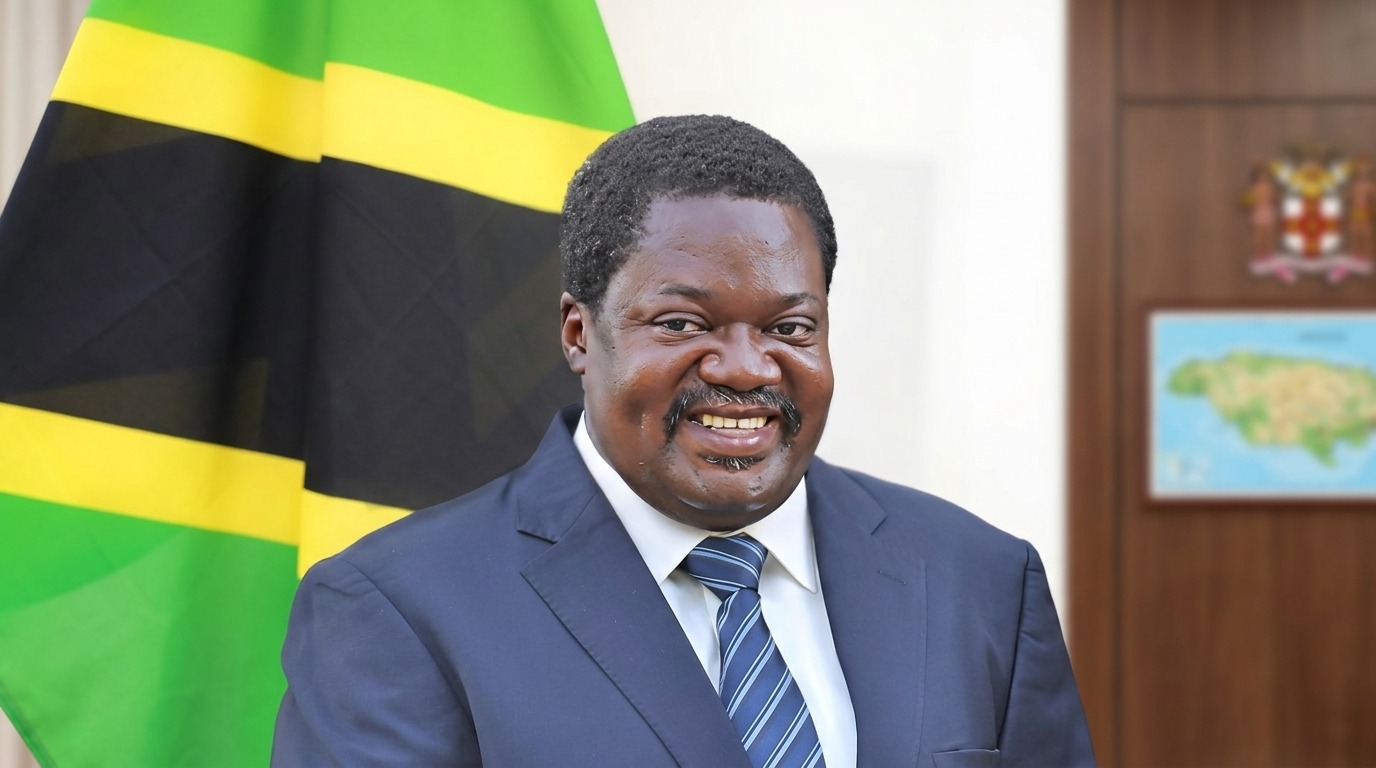
President Hassan accepted Nchimbi's resignation, which will take effect on September 4, according to an official government statement. The government did not provide a reason for his departure. Constitutional procedures will be followed to appoint a successor.
Nchimbi became vice-president in November 2025 after previously serving as secretary-general of the ruling Chama cha Mapinduzi party. His departure comes after he recently attracted attention by advocating constitutional reform during a human rights event in Dar es Salaam.
He argued that Tanzania's constitution should support both material development and the dignity of citizens, remarks that have gained significance amid broader debate over governance and political institutions.
The political backdrop is important for investors and businesses assessing Tanzania's policy environment. President Hassan was re-elected last year with almost 98% of the vote in an election criticised for excluding opposition candidates. A government-appointed inquiry subsequently reported that at least 518 people were killed in violence surrounding the election.
The vice-president's resignation does not by itself indicate an immediate policy shift. Tanzania's core economic agenda remains focused on investment, infrastructure, energy, mining and regional trade. However, unexpected changes among senior officials can prompt investors to reassess policy continuity, particularly where institutional reforms or regulatory changes are under discussion.
The government's handling of the transition will therefore be closely observed. A rapid and constitutionally clear appointment could limit uncertainty, while prolonged speculation over the reasons for the resignation could increase questions about internal political dynamics.
For businesses, the central issue is whether the change affects the implementation of existing economic policies. Tanzania has sought to attract foreign investment while developing infrastructure and expanding its role in East African trade.
What to watch: the appointment of a new vice-president, official explanations for the resignation, constitutional-reform discussions and any changes to economic or investment policy.