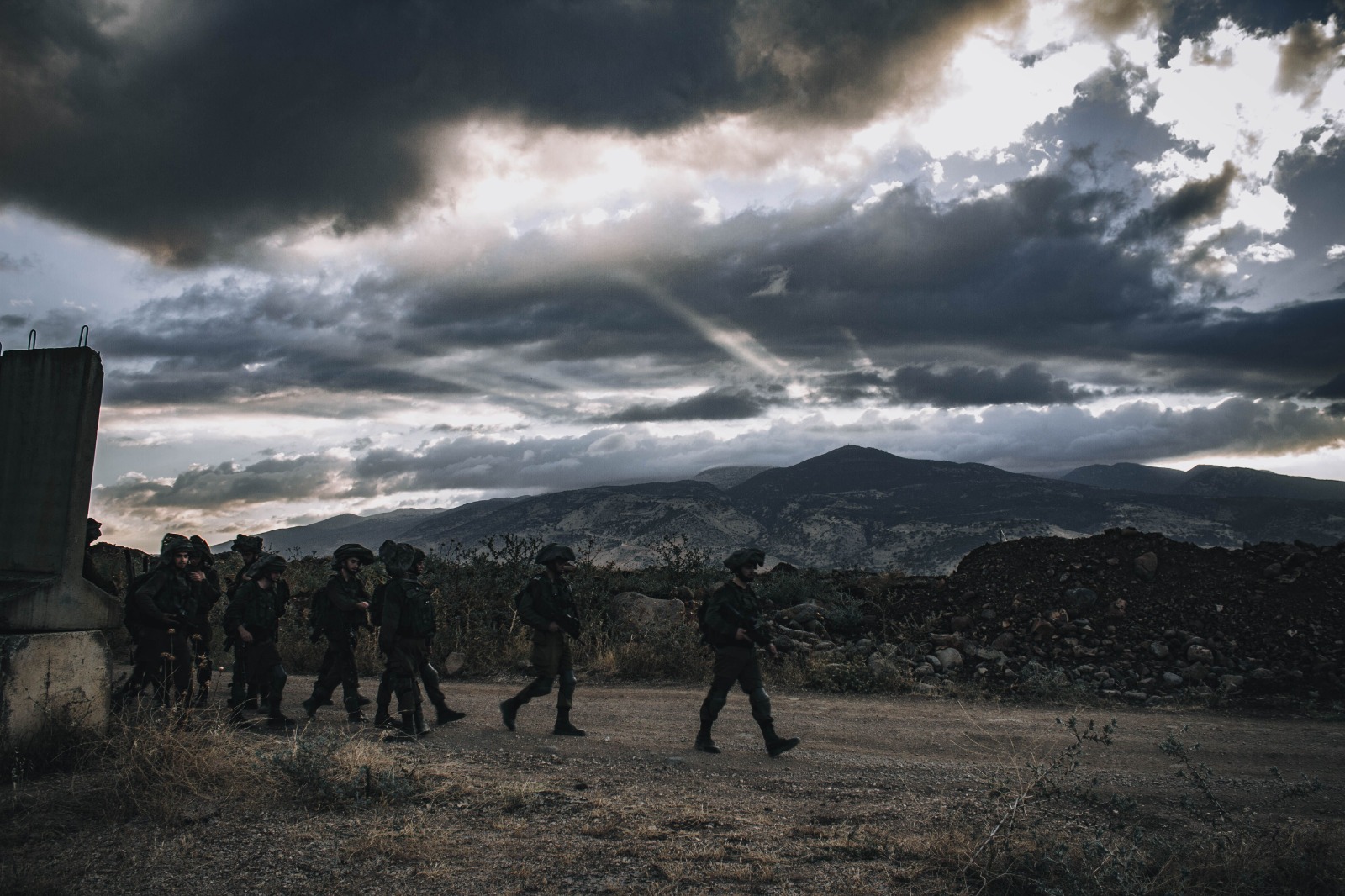
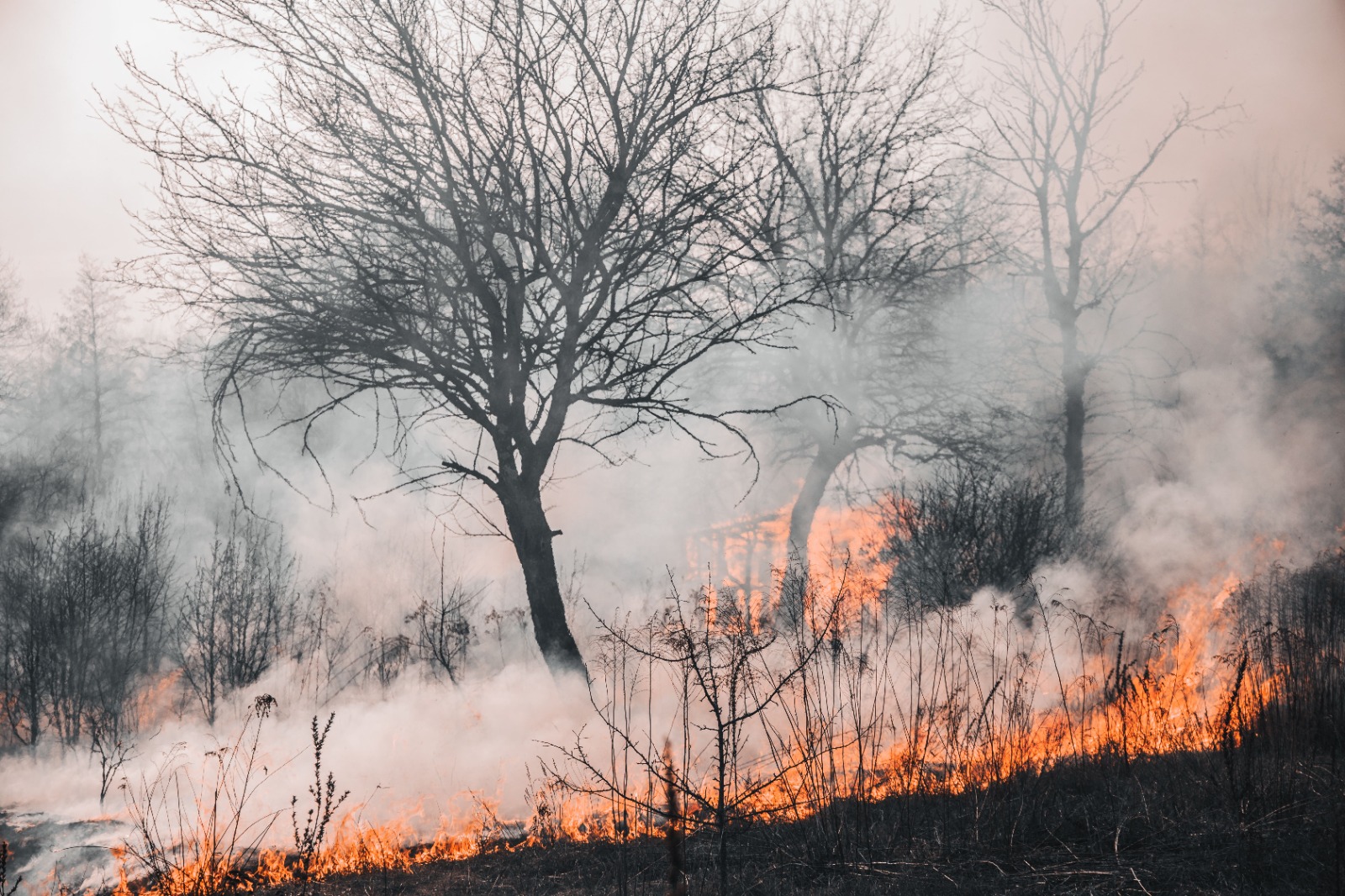
Recent developments in the Middle East, combined with widespread climate-related challenges including severe wildfires and extreme weather events, have highlighted the growing relationship between humanitarian protection and economic resilience. International agencies continue monitoring the impact on civilian populations, critical infrastructure and regional stability.
Human rights organisations note that modern crises increasingly extend beyond immediate security concerns. Displacement, disrupted education, healthcare access, food security and employment opportunities have become closely interconnected with broader economic performance and long-term development.
Businesses are also recognising the importance of responsible corporate practices in regions affected by conflict or environmental disruption. Investors increasingly assess environmental, social and governance considerations alongside traditional financial metrics when evaluating long-term investment opportunities.
Governments remain under pressure to strengthen humanitarian assistance while protecting economic stability. Public authorities continue balancing fiscal constraints with the need to support displaced communities, reinforce public-health systems and maintain essential infrastructure during periods of heightened uncertainty.
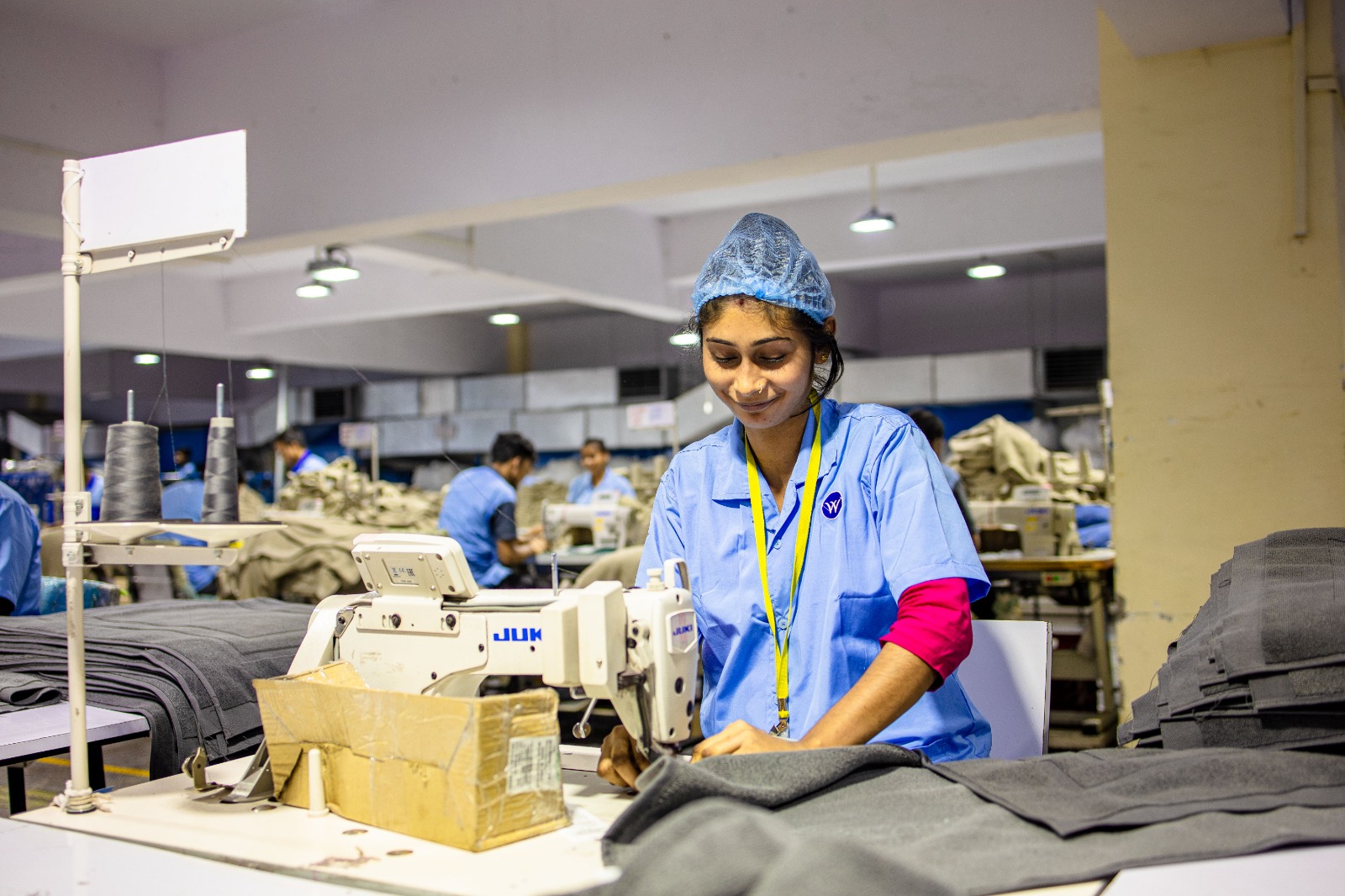
Economists argue that humanitarian resilience has become an increasingly important component of sustainable economic development. Societies capable of protecting vulnerable populations, maintaining institutional stability and supporting workforce participation are generally better positioned to attract long-term investment.
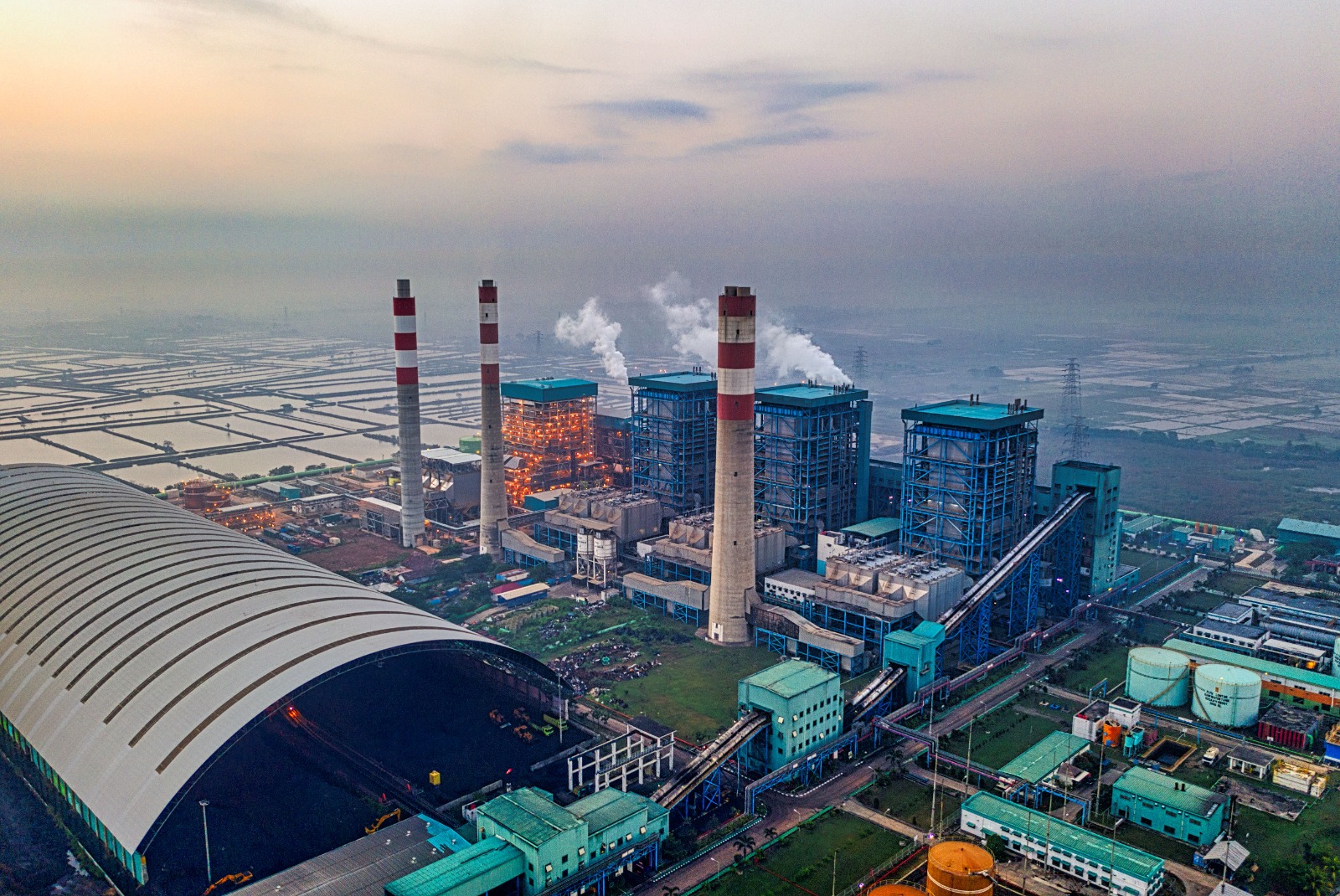
Climate change is expected to remain another significant driver of humanitarian challenges. Rising temperatures, severe weather events and environmental degradation continue increasing pressure on public services while affecting agricultural production, infrastructure and labour markets.
International organisations have therefore emphasised greater coordination between humanitarian policy, economic planning and infrastructure investment to improve resilience against future crises.
For policymakers, investors and business leaders, the latest developments reinforce an important reality: human security and economic security are becoming increasingly interconnected. Decisions affecting humanitarian protection, climate adaptation and institutional resilience are likely to influence economic competitiveness and sustainable growth for years to come.