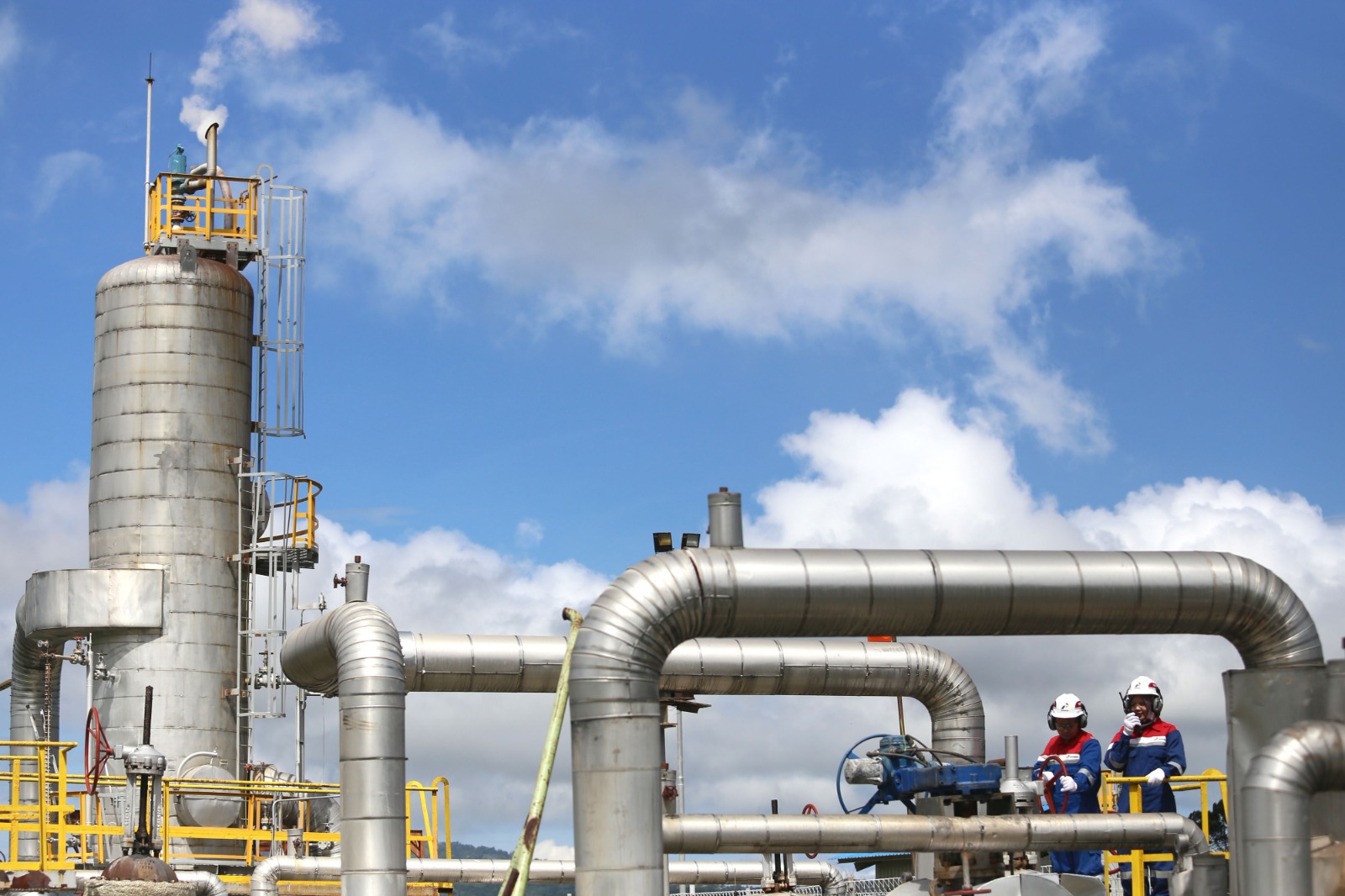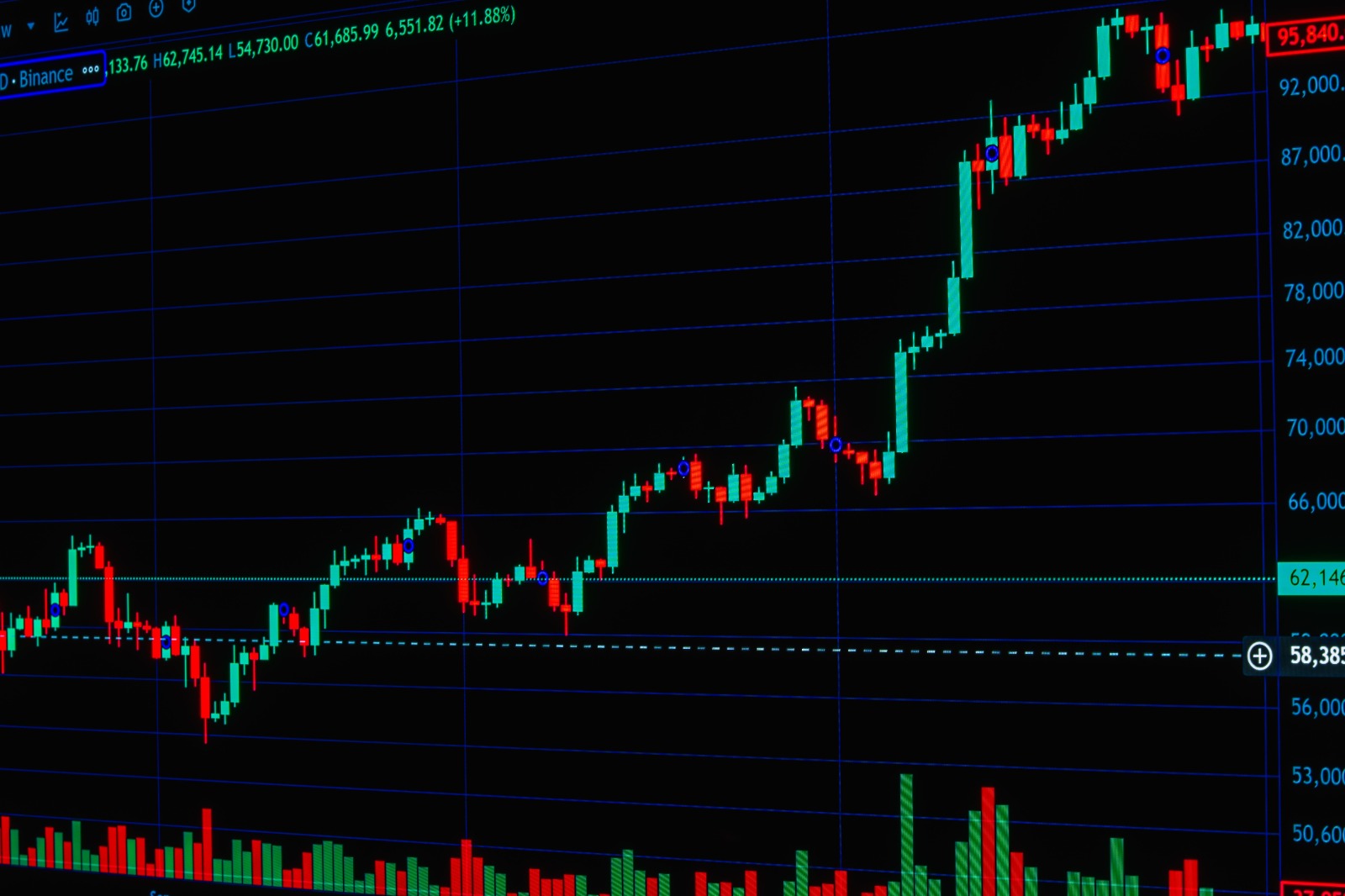
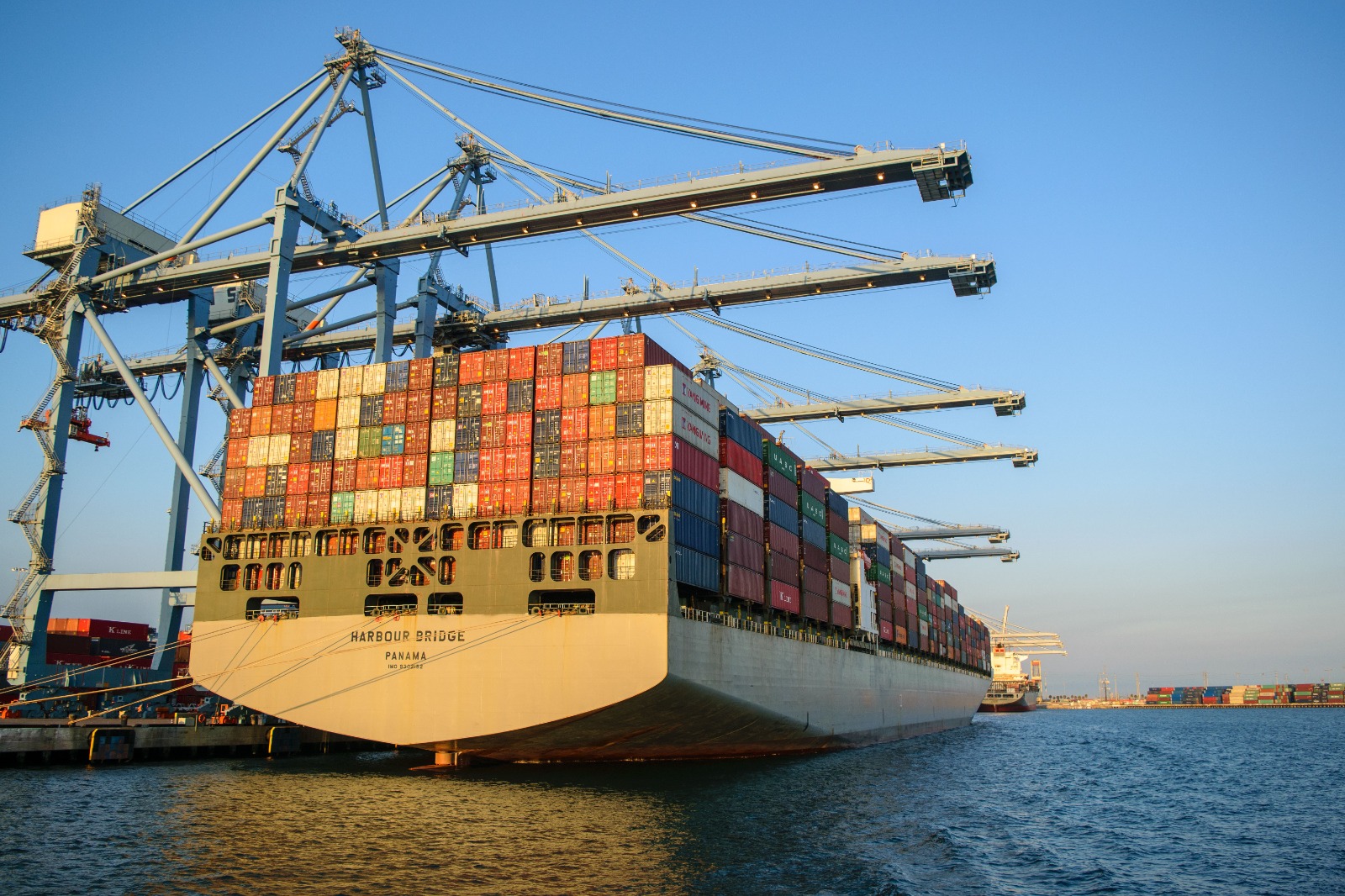
Financial markets reacted cautiously after renewed military developments increased the possibility of disruptions to maritime transport through the Strait of Hormuz and the Red Sea, two corridors that collectively facilitate a substantial share of global energy and commercial shipping. Oil prices strengthened while investors shifted towards traditional safe-haven assets, reflecting heightened geopolitical uncertainty.
For businesses, the implications extend beyond commodity markets. International manufacturers, logistics companies and exporters remain vulnerable to prolonged transport disruptions that could increase freight costs, delay deliveries and place renewed pressure on global supply chains.
Corporate executives have increasingly incorporated geopolitical risk into long-term investment planning. Companies are diversifying suppliers, expanding regional manufacturing capacity and strengthening inventory management as part of broader resilience strategies developed since the pandemic.
Governments are similarly reviewing national security priorities, infrastructure investment and strategic resource management. Several economies have accelerated programmes designed to improve domestic manufacturing capabilities while reducing dependence on politically sensitive supply routes.
Institutional investors are closely monitoring developments for signs of broader economic consequences. Rising energy costs could influence inflation, interest-rate expectations and corporate profitability, while prolonged instability may affect foreign direct investment and international trade flows.
Economists note that geopolitical developments are now exerting greater influence over business strategy than at any point in recent decades. Decisions relating to manufacturing location, infrastructure investment and capital allocation increasingly reflect political as well as commercial considerations.
The latest developments reinforce a structural shift already underway across the global economy. Supply-chain resilience, energy security and strategic diversification are becoming permanent features of corporate governance rather than temporary responses to isolated crises.
For executives, policymakers and investors alike, the central challenge is balancing operational efficiency against resilience. While geopolitical risks cannot be eliminated, businesses capable of adapting to a more fragmented international environment are expected to remain better positioned for sustainable growth.
The coming weeks will determine whether diplomatic efforts reduce immediate tensions or whether businesses must prepare for a more prolonged period of geopolitical uncertainty with lasting implications for global commerce.