Recent trading updates from luxury brands indicate that demand remains uneven across regions. While some companies continue to report resilience in markets such as the United States and parts of Asia, investors have become increasingly cautious about the sustainability of luxury-sector growth amid rising economic uncertainty.
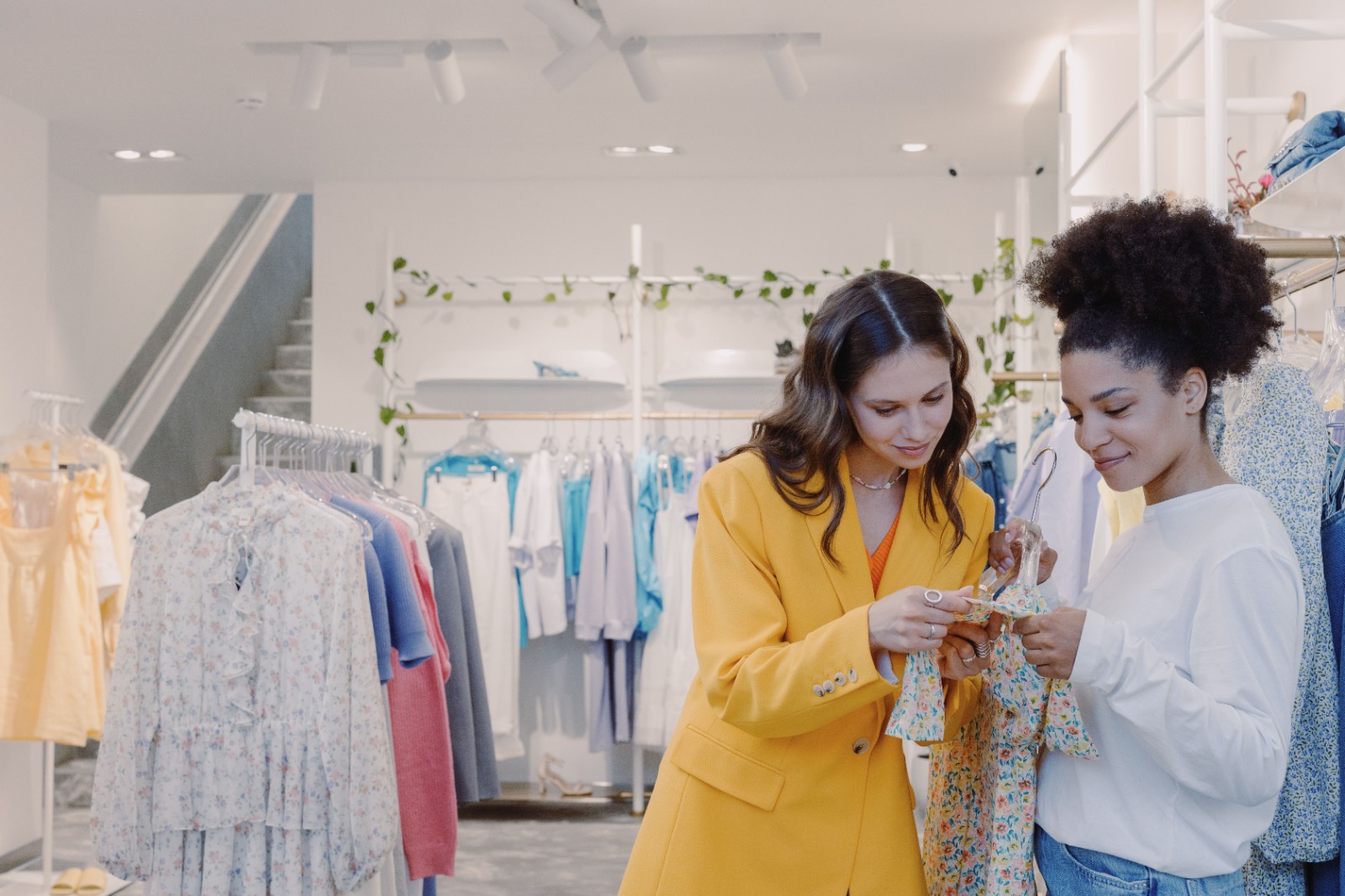
The fashion industry occupies a significant position within the global labour market, supporting employment across manufacturing, retail, logistics, design, marketing and tourism. As a result, changes in consumer demand often have consequences extending far beyond luxury boutiques and fashion houses.
Industry executives say consumers are becoming more selective in discretionary spending as higher living costs, elevated borrowing rates and geopolitical developments influence household budgets. Tourism patterns are also playing a growing role in determining where luxury spending occurs, creating opportunities in some markets while increasing pressure on others.
For employers, the environment requires careful workforce planning. Companies are seeking to balance cost discipline with the need to retain skilled workers and maintain customer experience standards. Recruitment strategies increasingly focus on digital capabilities, supply-chain management and data-driven retail operations.
Investors are paying particular attention to how fashion companies manage profitability during periods of slower demand growth. Market participants are examining inventory levels, pricing strategies and operational efficiency as indicators of long-term resilience.
The labour implications are equally important. Retail employment often serves as a broader indicator of consumer confidence and economic activity. Sustained weakness in discretionary spending could influence hiring decisions across multiple consumer-facing industries.
Economists note that luxury spending remains closely connected to wealth creation, financial-market performance and international travel trends. Consequently, developments within the sector often provide insight into broader shifts in consumer behaviour and economic sentiment.
For business leaders and policymakers, the fashion industry offers an increasingly useful lens through which to assess labour-market conditions, consumer confidence and the evolving relationship between economic uncertainty and discretionary spending.