
Equity markets across Asia, Europe and the United States experienced renewed pressure after semiconductor shares extended losses, while higher crude prices following Middle East tensions added fresh concerns over inflation and economic growth. The combined developments prompted investors to reassess portfolio allocations across equities, government bonds and commodities.
Market participants increasingly view the current environment as one shaped by multiple structural forces rather than isolated economic events. Artificial intelligence investment, geopolitical fragmentation, energy security and central-bank policy are simultaneously influencing capital allocation decisions worldwide.
Demand for traditional defensive assets strengthened as portfolio managers sought protection against heightened volatility. Government bonds, gold and selected defensive equity sectors attracted renewed interest, while growth-oriented technology companies remained under pressure amid concerns over valuation and earnings sustainability.
Businesses are also adjusting investment plans. Higher financing costs, uncertain demand and geopolitical risks continue to influence corporate capital expenditure, hiring decisions and expansion strategies across numerous industries.
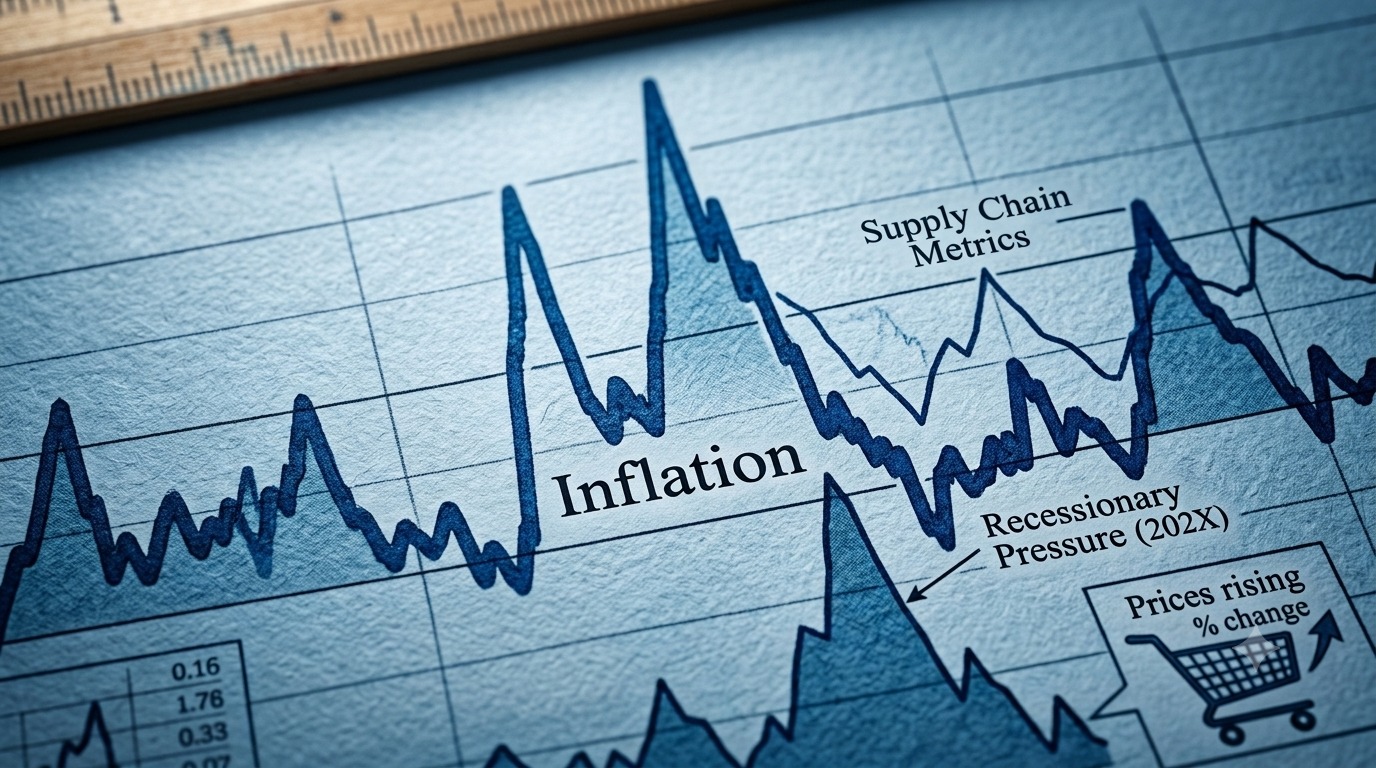
Economists note that inflation expectations remain particularly sensitive to developments in energy markets. Sustained increases in fuel costs could complicate monetary policy and delay anticipated interest-rate reductions, potentially affecting borrowing costs for households and businesses alike.
The evolving investment landscape has increased the importance of balance-sheet strength and operational flexibility. Companies with diversified revenue streams, disciplined capital allocation and resilient supply chains are expected to remain better positioned to navigate ongoing uncertainty.
Institutional investors are therefore placing greater emphasis on long-term strategic themes rather than short-term market momentum. Infrastructure, digital transformation, energy transition and industrial resilience continue attracting capital despite broader market volatility.
For policymakers, the latest market movements highlight the delicate balance between supporting economic growth and maintaining price stability. Central banks must continue evaluating inflation risks alongside evidence of slowing global demand.
As financial markets continue responding to technological disruption, geopolitical developments and shifting monetary policy expectations, investors are expected to prioritise resilience, diversification and sustainable value creation throughout the remainder of 2026.