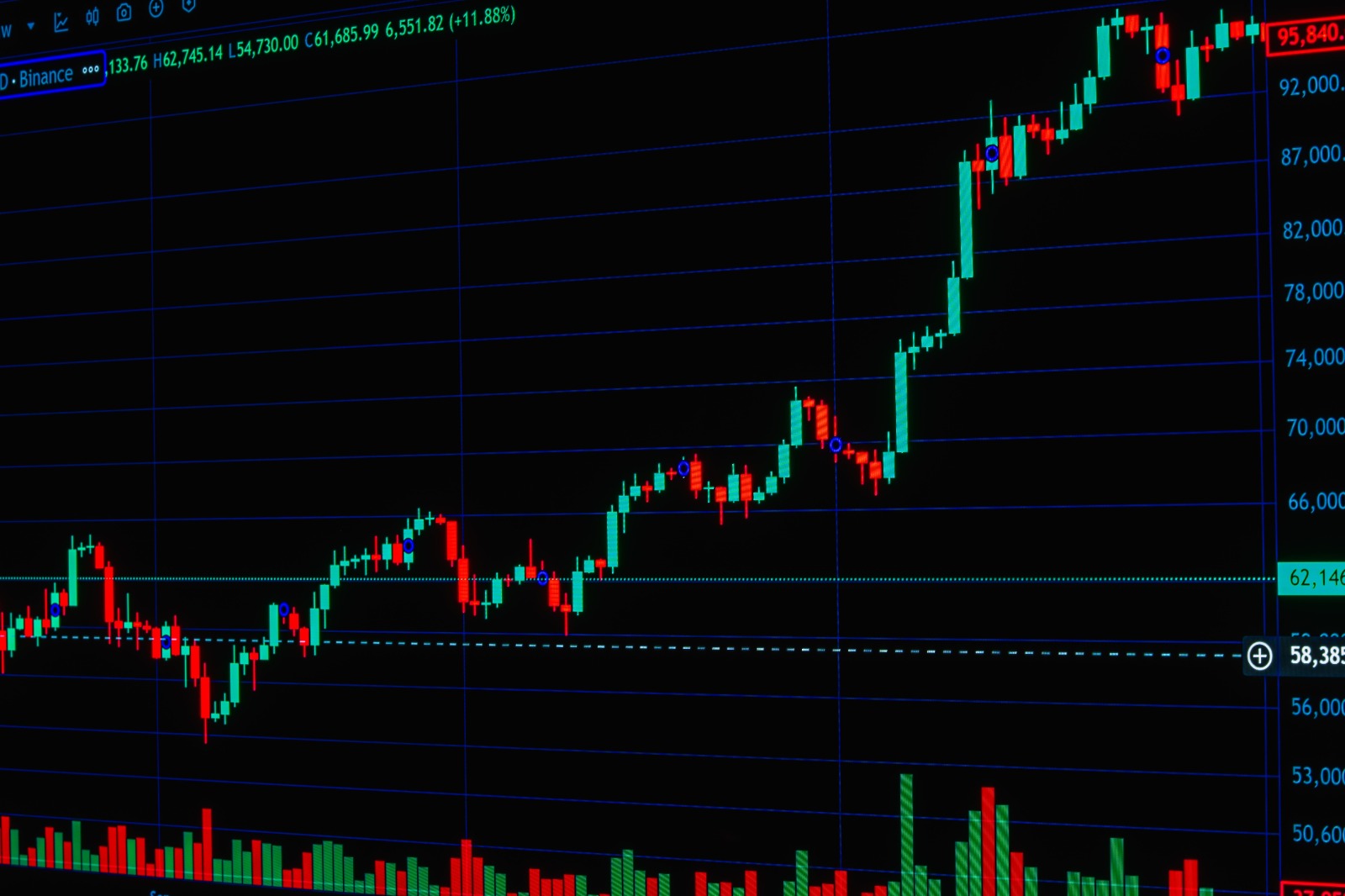
Crude markets strengthened this week following intensified military activity between the United States and Iran, raising concerns about potential disruptions to oil shipments through the Strait of Hormuz and the Bab al-Mandab corridor linking the Red Sea to global trade routes. Both waterways remain among the most strategically important channels for international energy supplies.
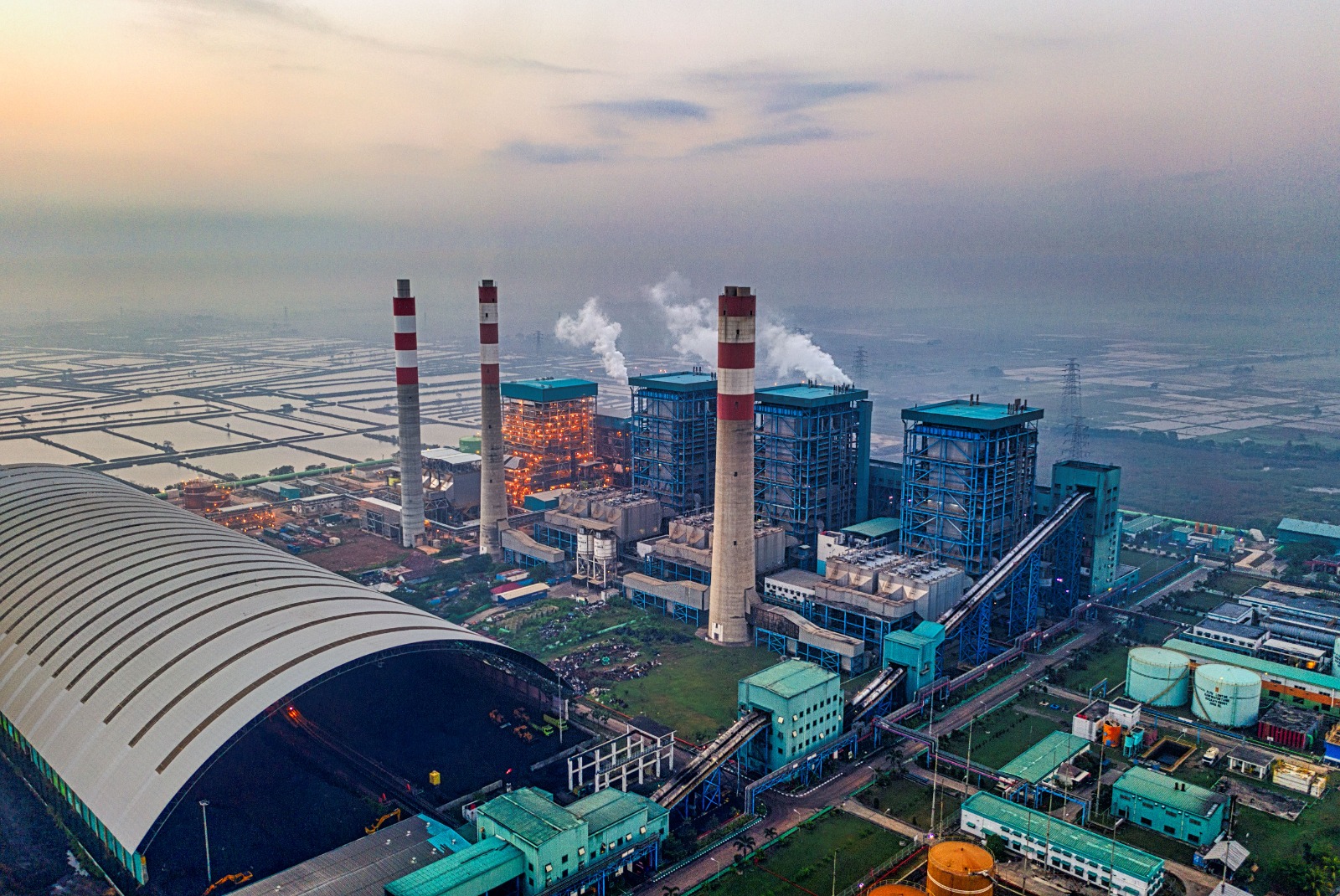
The latest developments have reinforced a broader trend that has emerged over recent years: energy infrastructure is increasingly viewed not only as an operational necessity but also as a strategic economic asset.
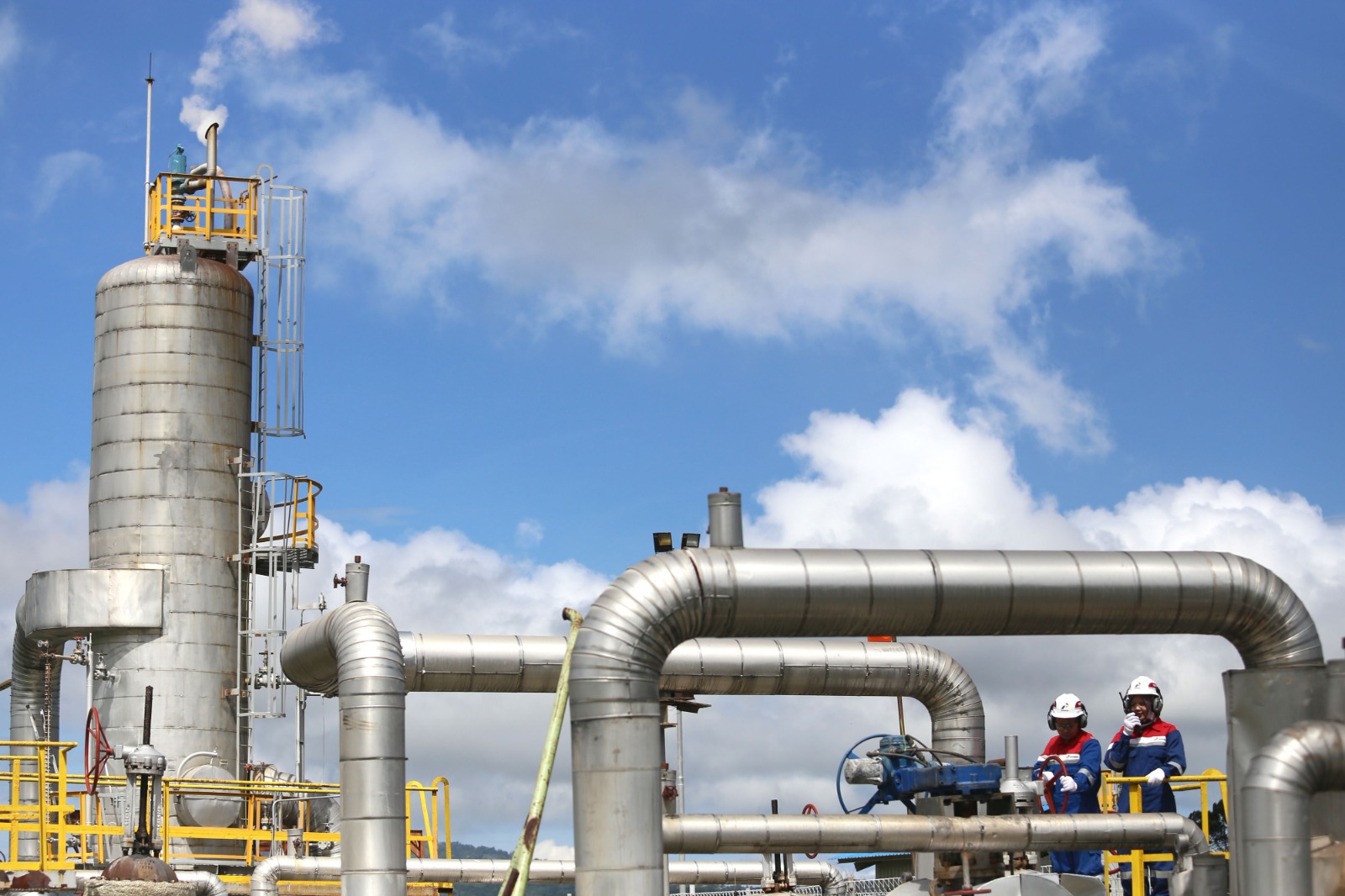
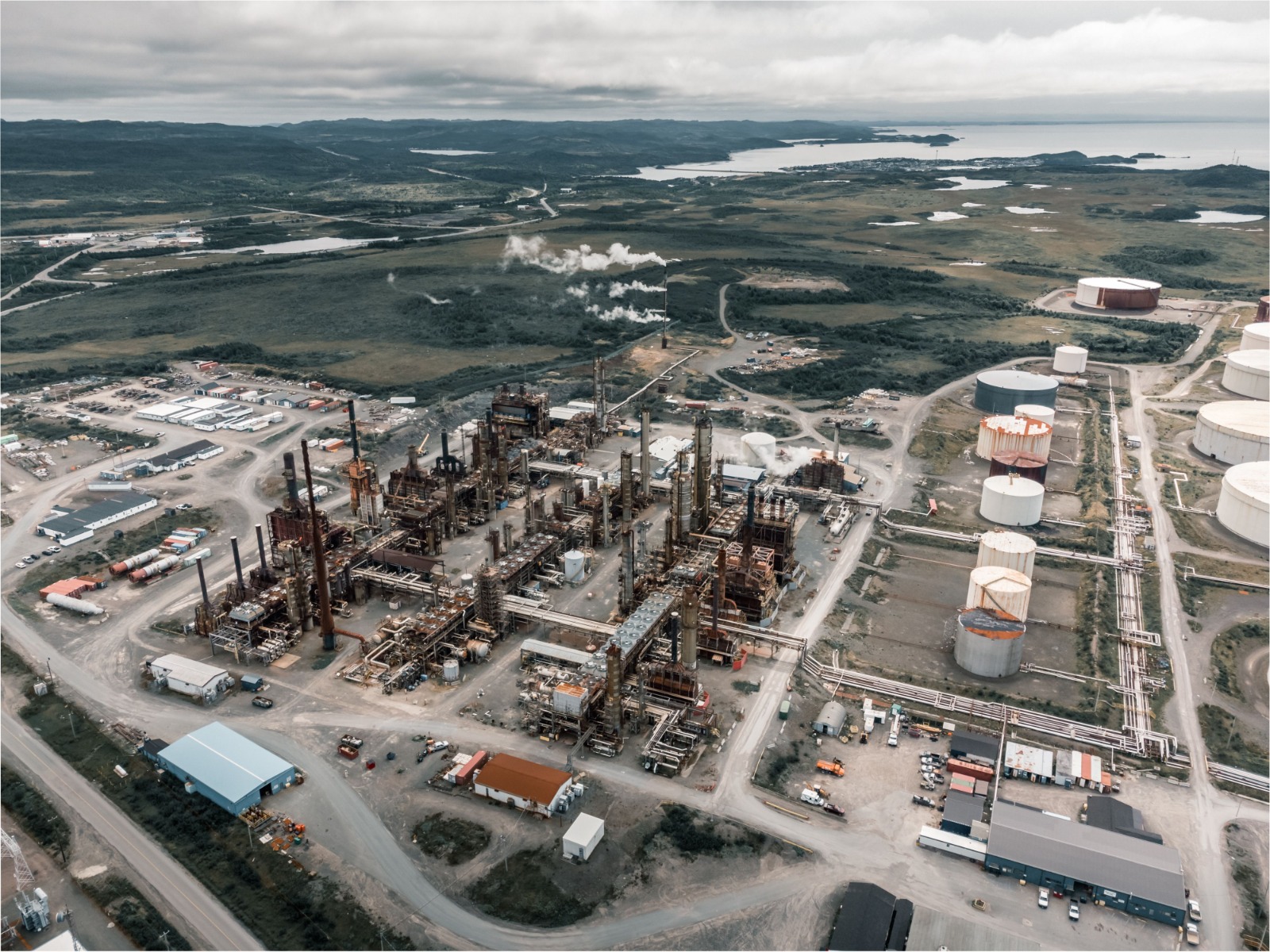
Governments and energy companies are responding by reviewing contingency plans, strengthening supply-chain resilience and accelerating investment in infrastructure designed to reduce exposure to external shocks. These efforts include expanding storage capacity, improving transportation networks, investing in domestic energy production and supporting renewable energy projects.
The implications extend beyond oil producers and utilities. Rising energy costs affect transportation, manufacturing, construction, aviation and agriculture, making energy security a central issue for economic competitiveness and industrial planning.
Investors are also paying closer attention to infrastructure assets. Long-term capital is increasingly being directed towards projects capable of improving supply reliability, supporting energy transition goals and enhancing economic resilience against geopolitical disruptions.
Economists note that infrastructure investment has become closely linked to national competitiveness. Economies capable of maintaining reliable and affordable energy supplies are generally better positioned to attract industrial investment, support manufacturing growth and sustain long-term productivity.
At the same time, businesses face difficult decisions regarding capital expenditure. Infrastructure projects often require substantial financing commitments, while elevated interest rates continue to increase funding costs.
For policymakers and corporate leaders, the current environment highlights the growing intersection between geopolitics, infrastructure and economic security. Energy resilience is no longer simply a sector-specific concern but a strategic issue influencing investment, trade and economic performance.
What happens next in the Gulf region is likely to influence not only commodity markets but also infrastructure planning and energy investment priorities across the global economy.