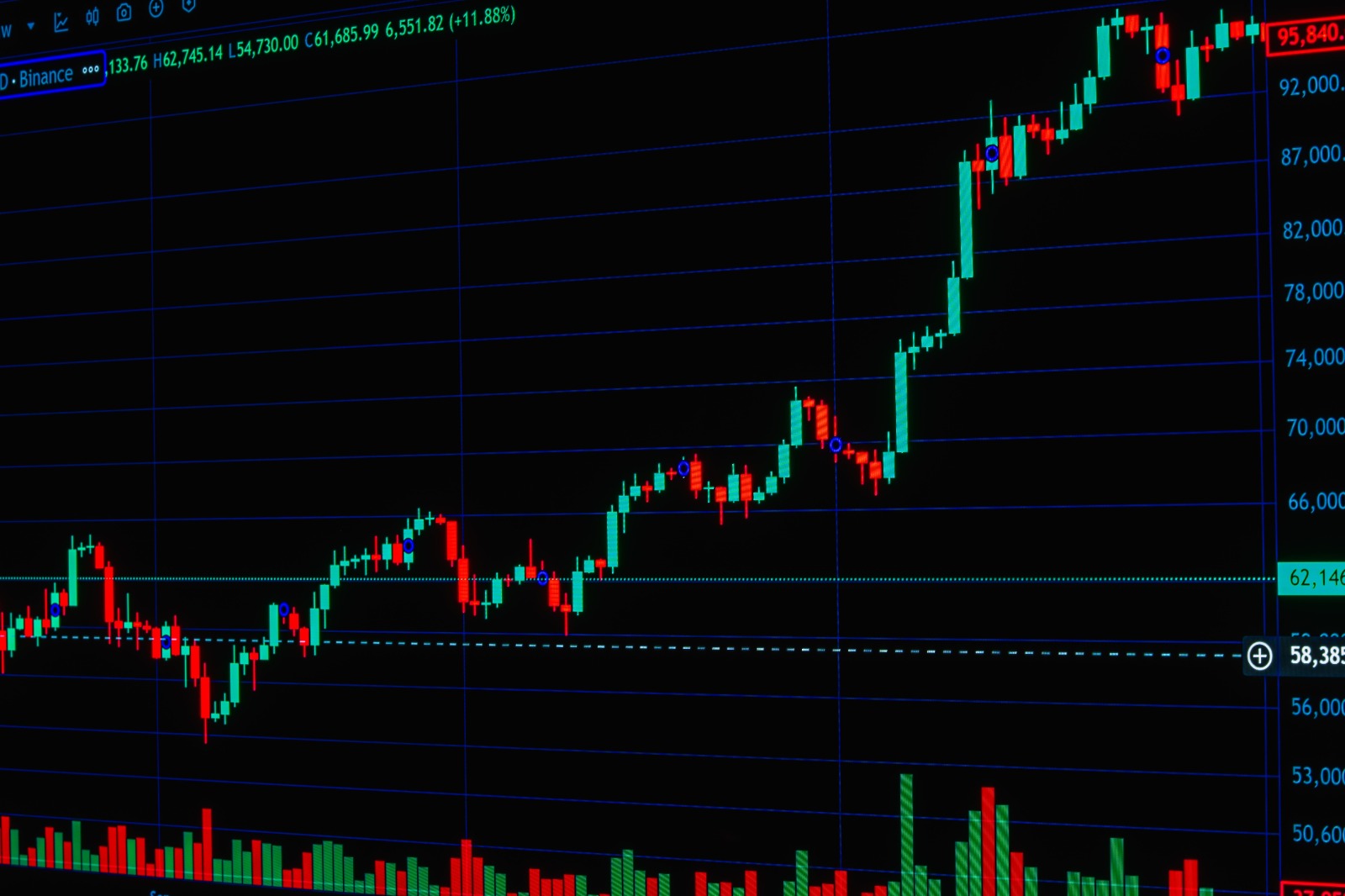
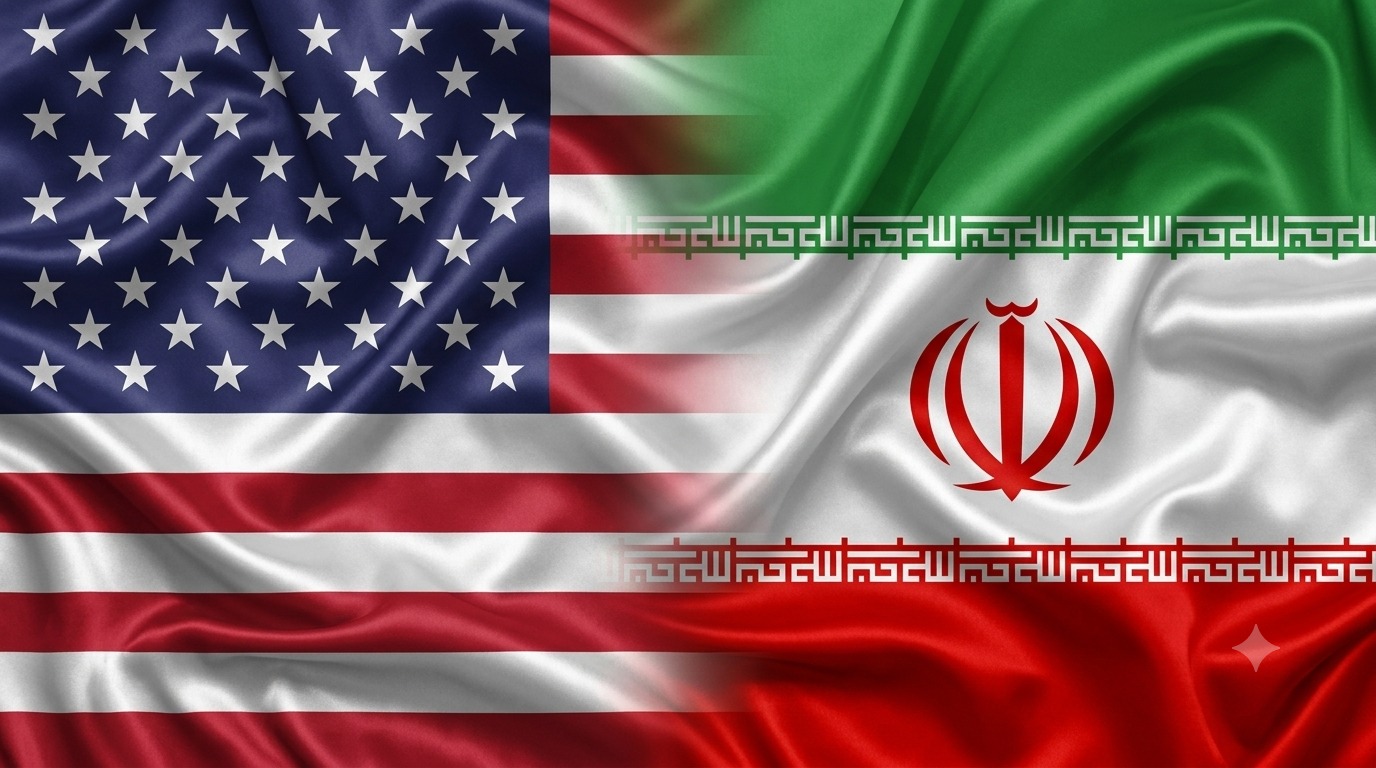
The latest developments have heightened uncertainty across one of the world's most strategically important regions, with markets responding to the possibility that prolonged instability could disrupt energy supplies, maritime trade and diplomatic relations. Although major shipping lanes remain operational, investors have begun incorporating a higher geopolitical risk premium into commodity prices and broader market valuations.
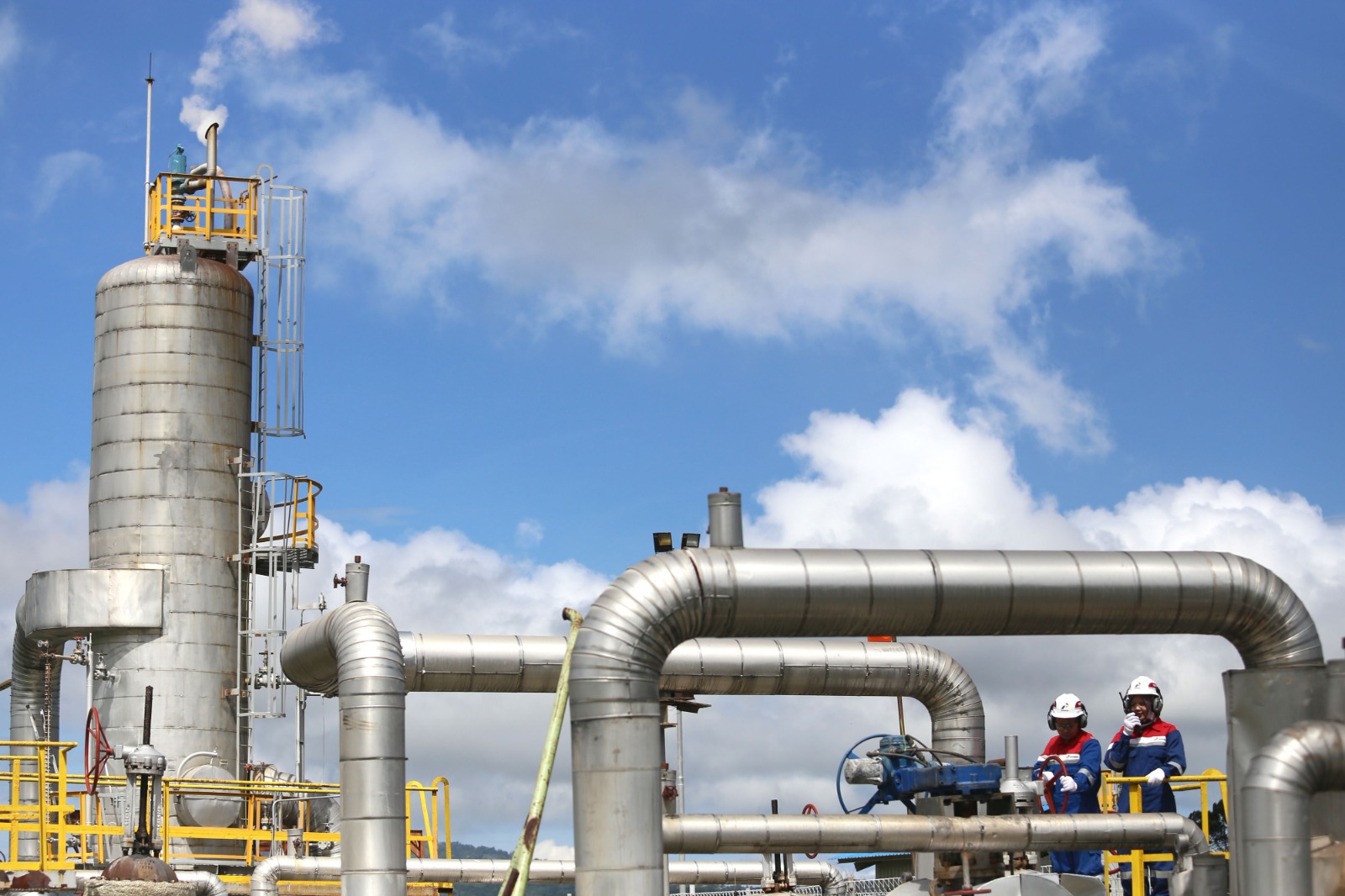
For businesses, the implications extend well beyond the immediate security environment. Energy-intensive industries, global manufacturers and multinational logistics companies are reviewing contingency plans amid concerns that sustained regional instability could increase transportation costs, insurance premiums and supply-chain complexity. Shipping operators serving the Gulf region are also monitoring developments closely as commercial activity remains vulnerable to potential disruptions affecting key maritime corridors.
The renewed tensions arrive at a delicate moment for the global economy. Central banks continue balancing inflation risks against slowing economic growth, while businesses remain cautious about investment decisions in an environment characterised by elevated borrowing costs and persistent geopolitical uncertainty. A sustained increase in oil prices could complicate monetary policy by placing renewed upward pressure on inflation, potentially delaying expected interest-rate reductions across several advanced economies.
Institutional investors have responded by increasing allocations towards traditional defensive assets, including gold, government bonds and energy equities, while reducing exposure to sectors considered particularly vulnerable to geopolitical disruption. Defence companies, cybersecurity firms and energy infrastructure operators have also attracted renewed investor attention as governments continue strengthening strategic resilience.
Economists argue that geopolitical fragmentation is becoming a structural feature of the international economy rather than a temporary source of volatility. Businesses are increasingly integrating geopolitical analysis into long-term capital allocation, procurement strategies and market expansion decisions, reflecting the growing intersection between international security and corporate strategy.
For executives and policymakers, the latest escalation reinforces the importance of resilience rather than efficiency alone. The coming weeks will be closely watched for diplomatic developments, energy market reactions and policy responses that could determine whether regional tensions remain contained or evolve into a broader challenge for global economic stability.