
The latest exchange represents the most significant confrontation between the two sides since July, raising the prospect that a conflict already disrupting energy markets and regional security could develop into a broader and more sustained war. Reuters reported that US strikes targeted Iranian air-defence systems, radar installations, maritime assets, mine-laying capabilities and communications facilities. Iran subsequently attacked US bases in Bahrain, Jordan, Kuwait and Iraq.
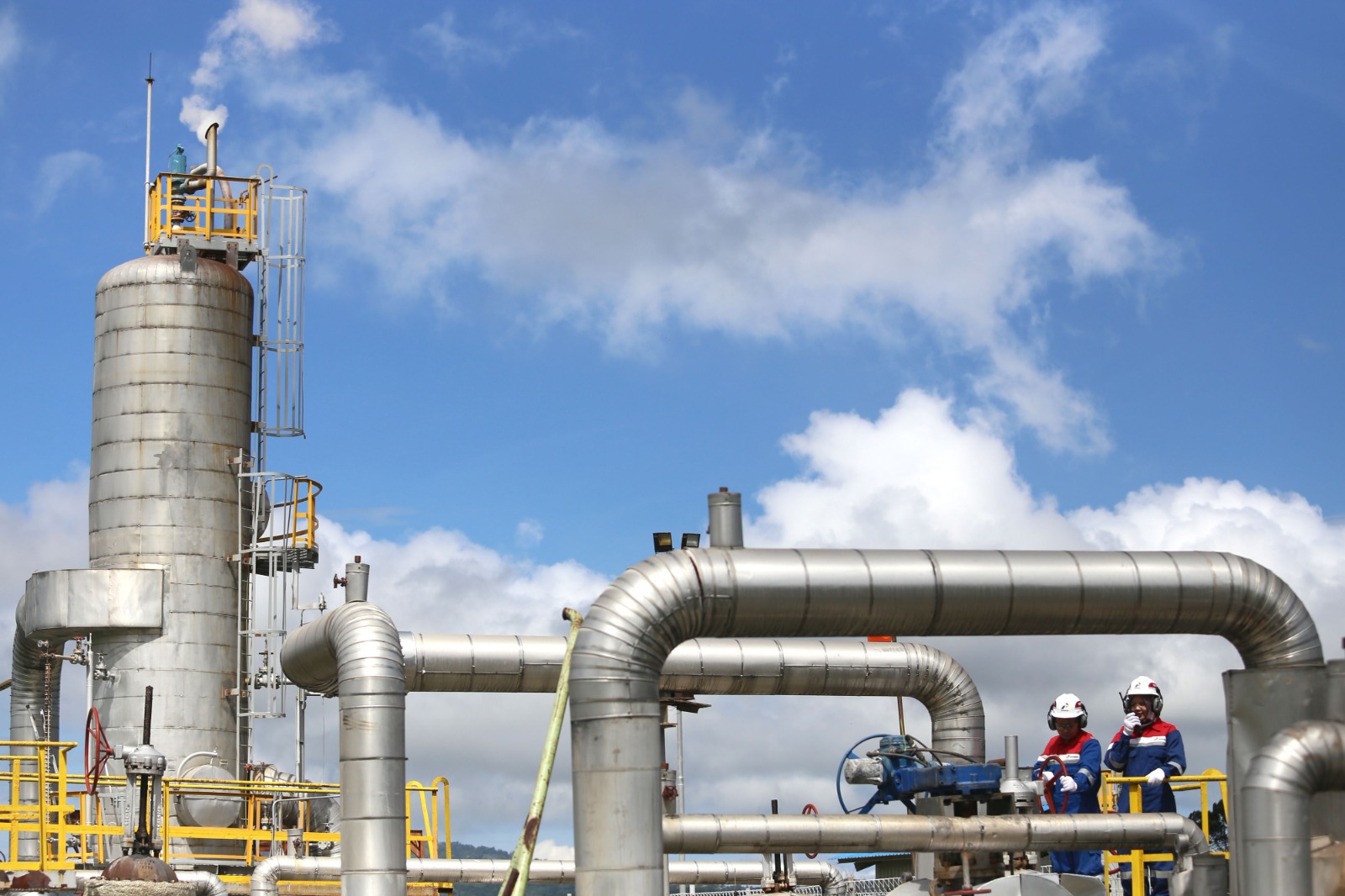
The escalation has immediate strategic consequences beyond the battlefield. The Strait of Hormuz, through which a substantial share of global oil shipments normally passes, has become increasingly exposed to military disruption. Shipping activity has fallen sharply, while attacks and threats against commercial vessels have intensified.
For Washington, the military campaign remains centred on weakening Iran's military and nuclear capabilities. President Donald Trump has continued to signal that the United States intends to maintain pressure on Tehran, while Iranian authorities have vowed to resist the campaign and retaliate against American interests in the region.
The economic consequences are already visible. Oil prices surged more than $4 a barrel on Tuesday, reaching a five-week high, as traders priced in a greater probability of prolonged supply disruption. Global equities weakened while government bond yields moved higher as investors reassessed inflation and geopolitical risks.
The central risk for markets is no longer simply whether additional strikes occur, but whether the conflict begins affecting the physical movement of energy on a sustained basis.
A prolonged confrontation could therefore transform a regional military crisis into a global economic shock, transmitting pressure through oil prices, shipping costs, inflation expectations and monetary policy.
For governments and investors, the next phase of the conflict will be defined by whether military escalation remains contained or begins to undermine the infrastructure underpinning global trade.