Iranian oil offers to Chinese buyers have fallen sharply, while prices for available cargoes have risen. The decline follows the reimposition of a US blockade that has restricted Tehran's ability to export crude through established routes.
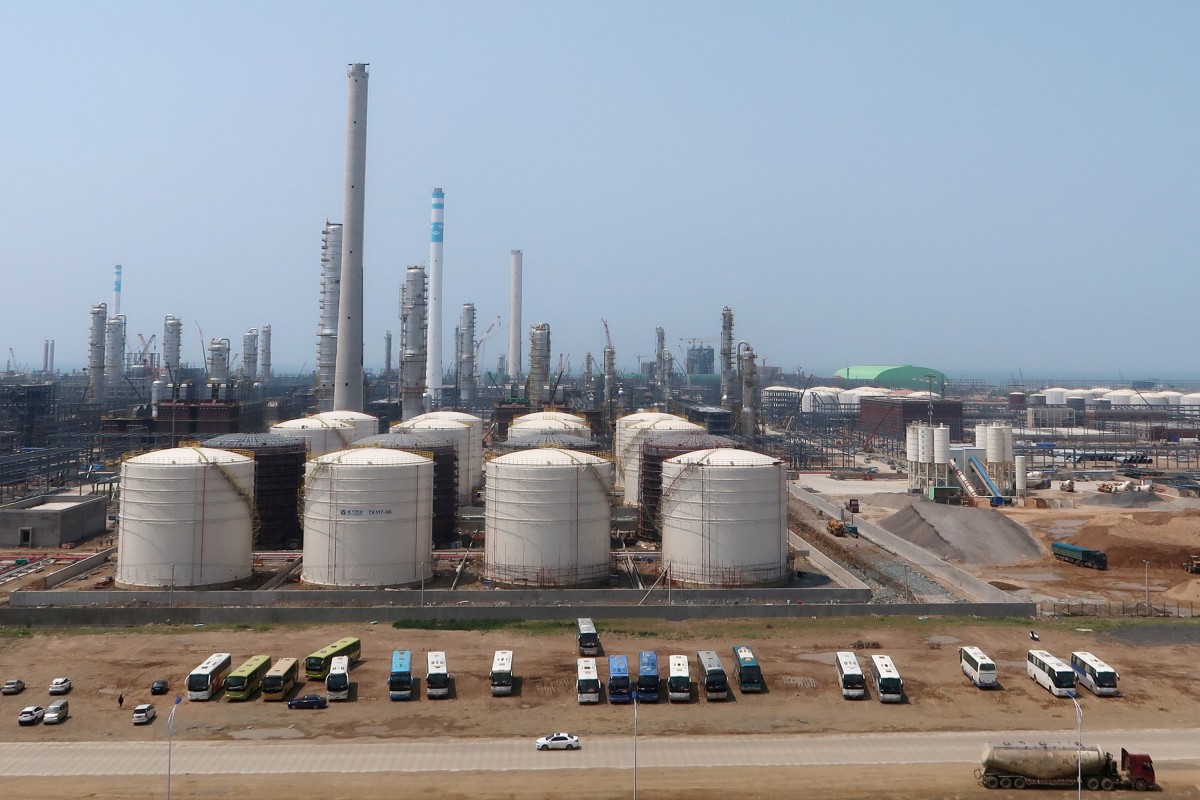
Chinese refiners in Shandong, particularly smaller independent plants known as “teapots”, have been among the most exposed because Iranian crude has historically been available at significant discounts.
The disruption is now forcing buyers to consider alternatives. Brazilian and Iraqi crude have emerged as replacement sources, although alternative supplies can carry higher costs and may require changes to refinery operations and shipping arrangements.
The effect on Iranian exports is substantial. Reuters reports that Iranian shipments have fallen to about 534,000 barrels per day in August, compared with an average of about 1.4 million barrels per day in 2025. Floating Iranian oil storage outside the blockade zone has also declined.
The development illustrates how geopolitical restrictions can quickly alter commercial supply chains. Refiners do not simply replace one barrel with another; they must consider crude quality, refinery configuration, shipping costs, insurance and sanctions exposure.
For China, the situation also creates a strategic energy challenge. Beijing has opposed unilateral US sanctions while maintaining significant dependence on Gulf oil supplies.
For the global market, prolonged disruption could support higher prices if alternative supplies cannot fully compensate for lost Iranian exports.
The next indicators will include Chinese import volumes, Iranian shipment levels, the availability of alternative crude grades and the scope of Washington's next sanctions package.
For energy companies, the episode reinforces the value of diversified sourcing and flexible logistics as geopolitical restrictions increasingly shape commodity markets.