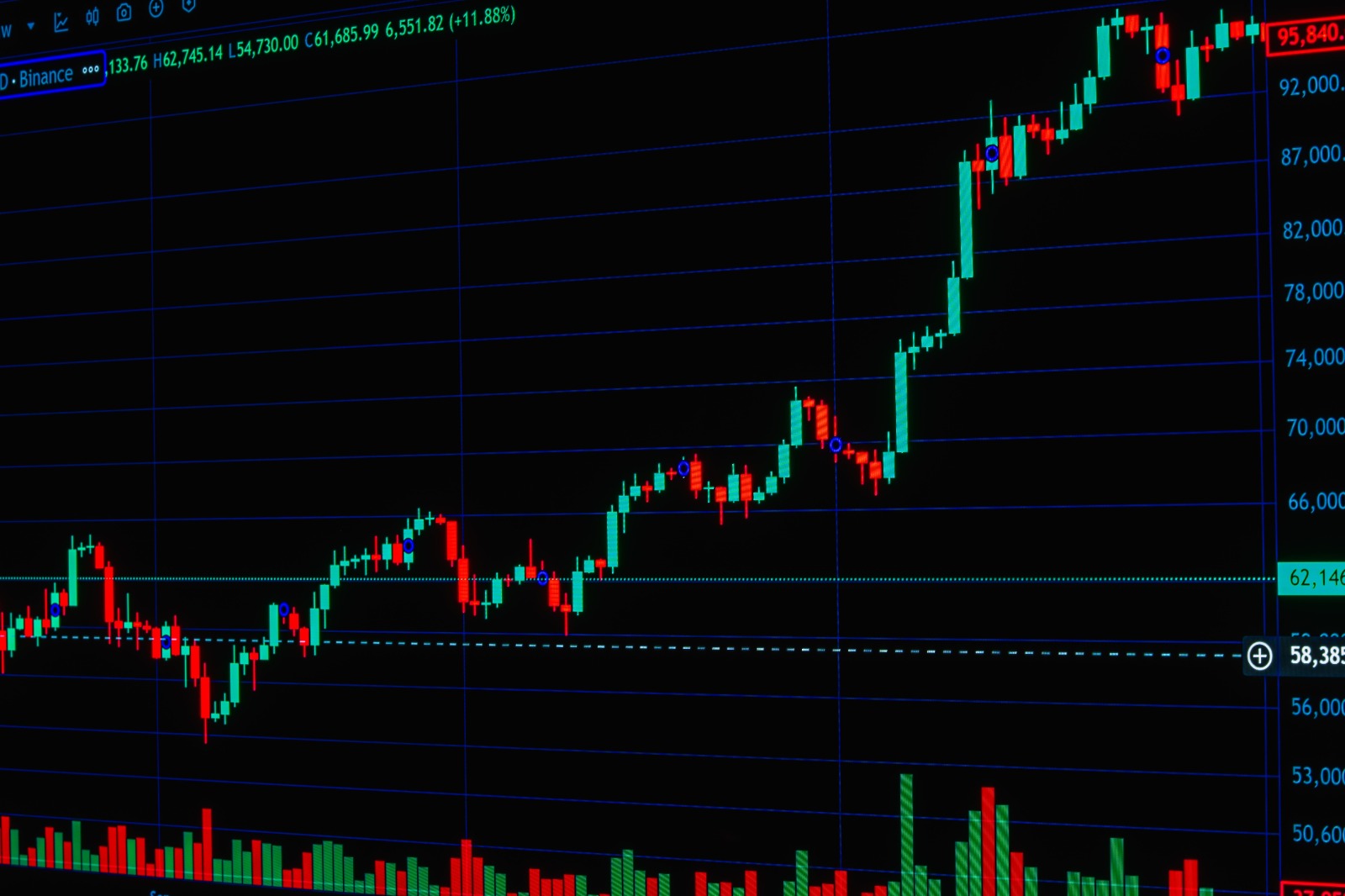
Brent crude fell 3.48% to $103.88 a barrel on Friday, while U.S. West Texas Intermediate dropped 3.25% to $99.15. Both benchmarks had reached their highest levels since mid-May earlier in the session before retreating on reports that Middle Eastern governments were seeking a temporary arrangement with Iran to manage shipping through the Strait of Hormuz.
Despite Friday's decline, the weekly increase highlights the scale of the supply risk confronting energy markets. Brent and WTI rose more than 6% on Thursday after a series of attacks intensified fears that disruptions to oil transportation could persist.
Iran has said it attacked 10 ships near the Strait of Hormuz after U.S. forces struck five Iranian oil tankers. Vessel traffic through the waterway has subsequently fallen sharply. Seven vessels transited the strait on Thursday, compared with 11 the previous day and a 10-day average of about 15, according to preliminary shipping data.
The importance of the route extends beyond crude markets. Before the war began in late February, the Strait of Hormuz carried roughly one-fifth of global daily oil and liquefied natural gas supplies, making sustained disruption a significant risk for importers across Asia and Europe.
The threat has also spread beyond the Gulf. Iran-aligned Houthi forces seized Yemen's port of Mocha, increasing concerns over shipping through the Red Sea and the Bab el-Mandeb Strait. Attacks on Saudi energy facilities have added another layer of uncertainty to regional production and transportation.
The consequences are already visible in refined fuel markets. The average U.S. diesel price moved above $6 a gallon for the first time, according to GasBuddy, as supply constraints were compounded by Ukrainian attacks on Russian refineries.
The International Energy Agency has also lowered its expectations for global oil supply and demand, warning that the prolonged conflict could delay a return to normal Middle Eastern flows into 2027.
Higher fuel costs are complicating the outlook for central banks. European policymakers have already signalled that sustained energy inflation could require further interest-rate increases, potentially adding to pressure on economic growth.
For consumers, manufacturers, airlines and transport companies, the risk is increasingly shifting from the price of crude itself to the availability and cost of refined products. Unless shipping conditions improve materially, energy markets are likely to remain vulnerable to further geopolitical shocks.