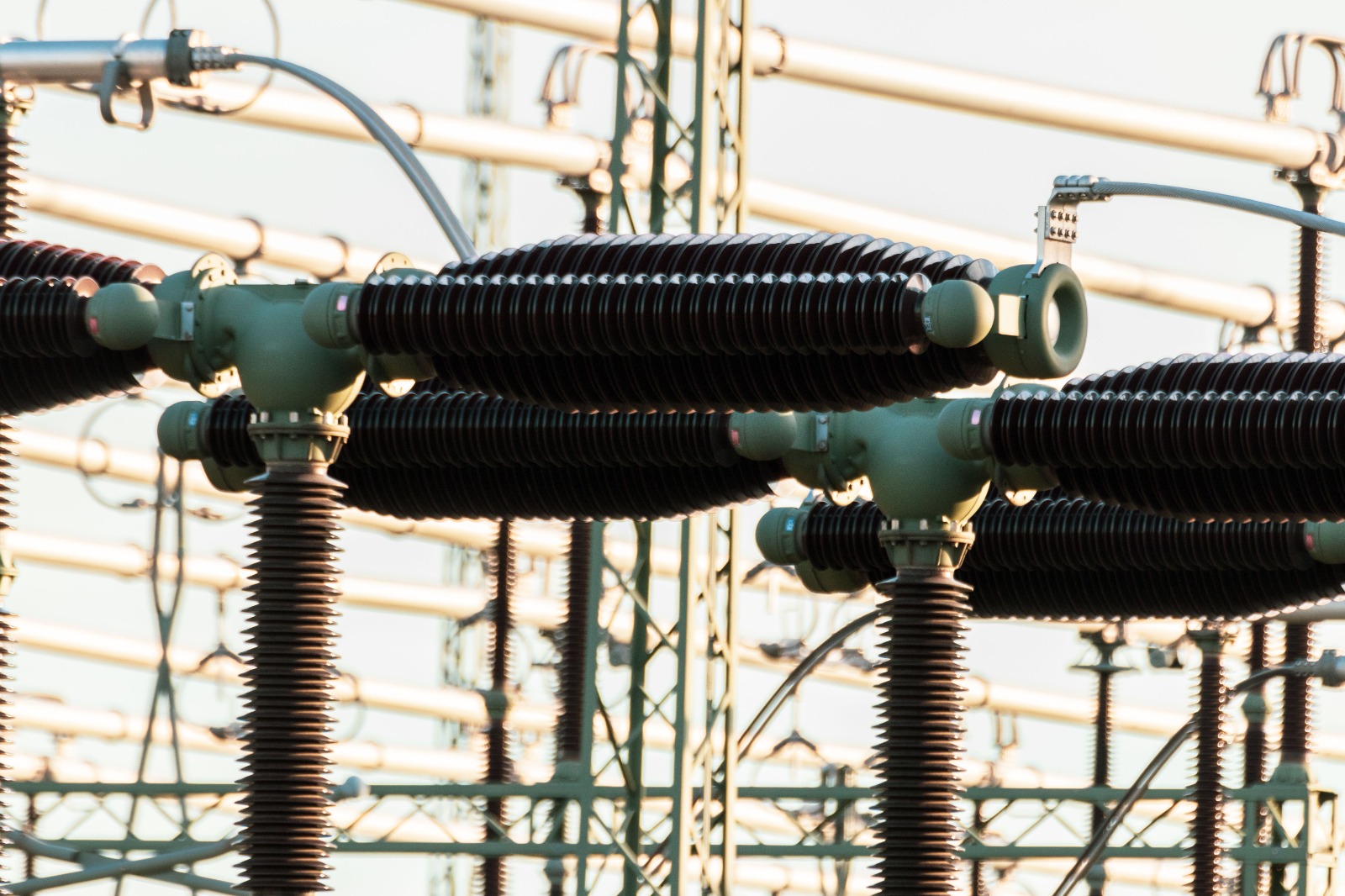
The second incident occurred near Bergheim, where a substation was targeted, and several RWE lignite power plants with a combined capacity of approximately 4,200 megawatts were temporarily taken offline. Grid stability was maintained despite the disruption.
A separate incident in Brandenburg involved devices that damaged high-voltage electricity infrastructure.
The timing and nature of the attacks have raised concerns among German authorities about politically motivated or state-linked interference. The incidents come amid wider European warnings over Russian hybrid activity, although responsibility for the latest attacks has not been established.
The threat is strategically significant because Europe's critical infrastructure has become an increasingly prominent target in the broader confrontation between Russia and the West.
Energy systems are particularly vulnerable because relatively limited physical damage can create disproportionate economic and political consequences. Substations, transmission lines and power-generation facilities represent critical nodes in national infrastructure networks.
Germany is already operating in a heightened security environment following Russia's invasion of Ukraine and a series of suspected acts of sabotage and espionage across Europe.
The latest incidents also arrive shortly before a state election in Saxony-Anhalt, where the far-right Alternative for Germany is leading in polling. Reuters reported that the political environment has added another layer of sensitivity to concerns over infrastructure disruption and Russian influence.
For Berlin, the immediate challenge is attribution.
Authorities must determine whether the incidents represent isolated criminal acts, politically motivated sabotage or part of a coordinated campaign. The distinction will influence the potential response, ranging from domestic law enforcement to counter-intelligence and national-security measures.
The broader economic implications are equally important.
Europe's transition towards increasingly interconnected electricity systems has created efficiencies but also expanded the potential consequences of attacks against critical nodes.
Repeated disruptions could increase security spending, insurance costs and pressure on operators to maintain additional reserve capacity.
For investors and policymakers, the German incidents underscore a broader shift in the definition of infrastructure risk.
Physical security is increasingly becoming part of energy-market analysis.
As geopolitical competition moves beyond conventional military theatres, power grids, telecommunications networks, ports and transport infrastructure may increasingly become strategic targets.
Germany's latest incidents therefore represent not simply a domestic security problem, but another indication that Europe's economic infrastructure is becoming part of the wider geopolitical contest.