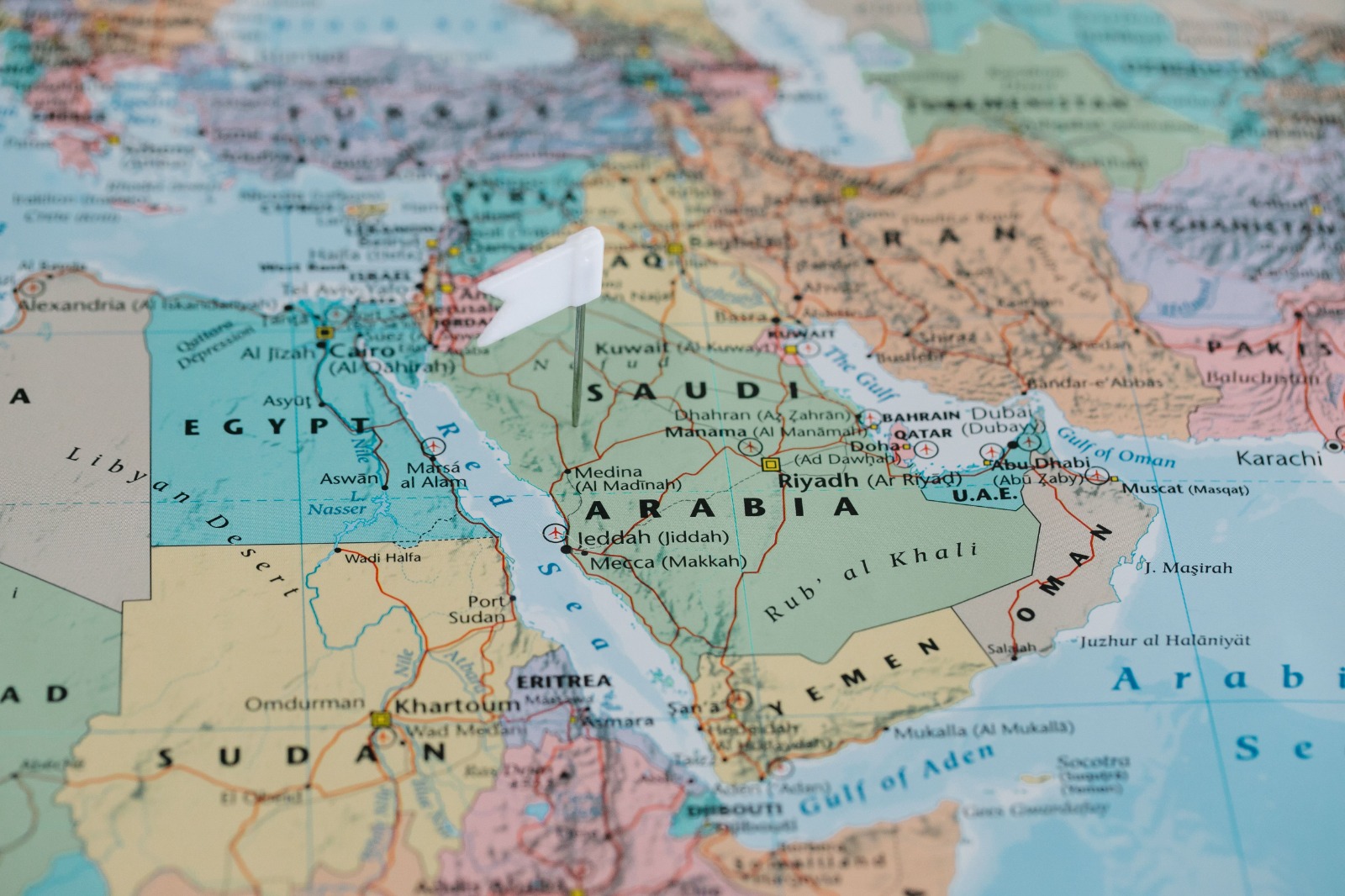
Reuters reported Friday that Gulf states are directing billions of dollars towards infrastructure capable of bypassing or reducing reliance on the strait, including expanded pipeline capacity, alternative ports and inland logistics networks. Saudi Arabia is seeking greater use of Red Sea infrastructure, while the United Arab Emirates is expanding export capabilities through its eastern ports.
The move reflects a calculation that the economic cost of dependence on Hormuz has become too significant to ignore.
For decades, Gulf producers benefited from a highly efficient export architecture centred on maritime access through the strait. That system minimised transport costs but concentrated geopolitical risk. The Iran conflict has exposed the vulnerability created by that concentration.
The response is now moving beyond contingency planning.
Ports such as Fujairah are becoming increasingly important as alternative gateways, while pipelines are being developed or expanded to move crude towards export terminals outside the immediate reach of the chokepoint. Earlier investment by the UAE to expand its ability to export crude through Fujairah illustrates the direction of travel.
The economic consequences are potentially broader than energy.
Gulf infrastructure spending could strengthen regional logistics networks, encourage industrial development around alternative ports and create new trade corridors linking the Gulf with the Red Sea, Mediterranean and wider Asian markets. Reuters also identified wider proposals for regional rail connections as part of the emerging infrastructure response.
Yet diversification will not be cheap. Building pipelines and ports capable of replacing even part of Hormuz's strategic function requires substantial capital, long construction periods and protection against new security threats along alternative routes.
The strategic calculation nevertheless appears increasingly straightforward: redundancy has become an economic asset.
Aldrenor Assessment: Hormuz may ultimately reshape Gulf infrastructure even if maritime traffic normalises. The region is beginning to treat energy routes not simply as transport infrastructure, but as strategic national assets whose value rises when geopolitical risk increases.