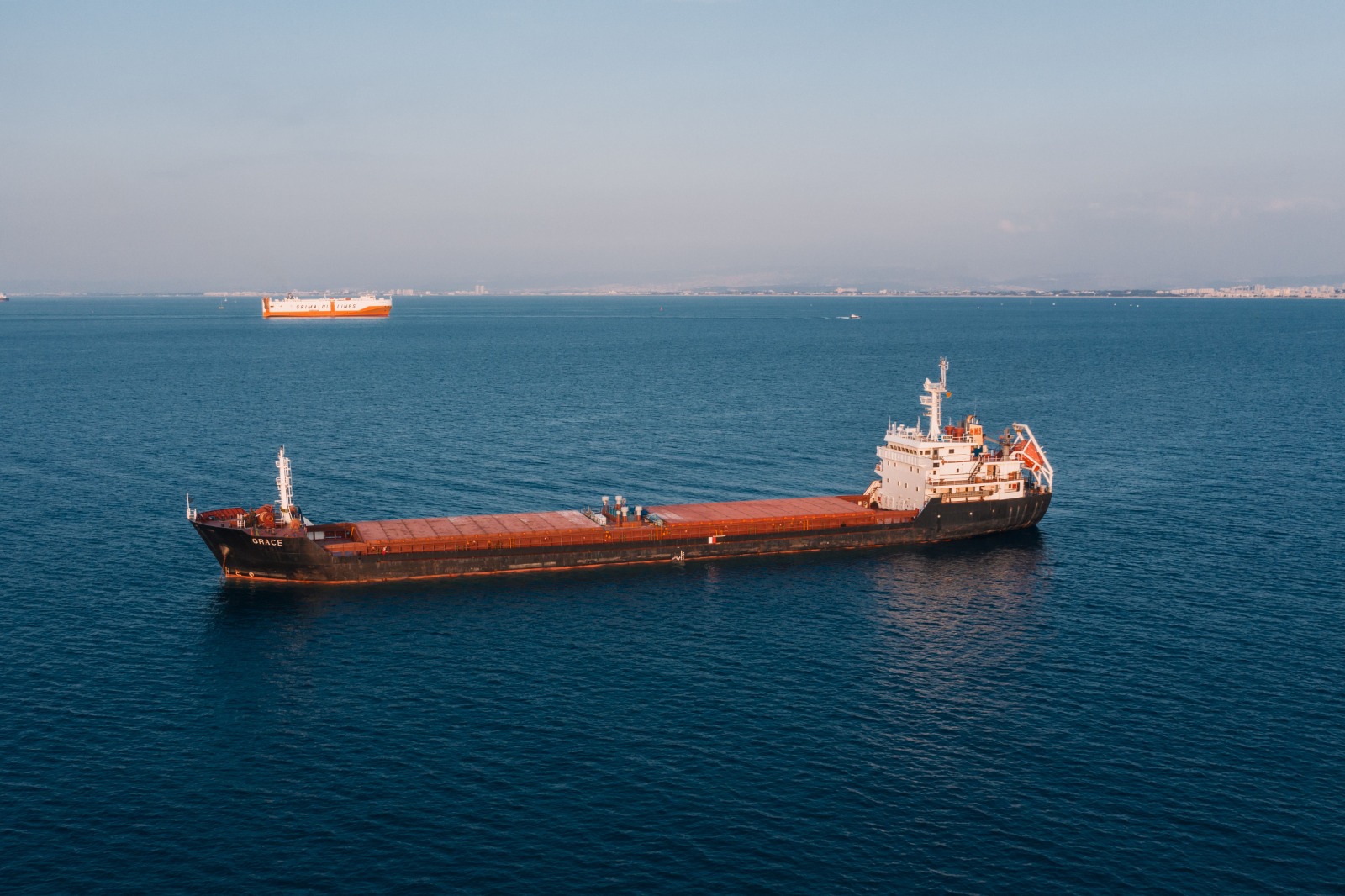
Fewer than 20 commodity vessels crossed the strait over the weekend, according to shipping data analysed by Kpler and reported by Reuters. Four vessels transited on Sunday and 13 on Saturday, compared with 16 on Friday. Some ships had switched off their transponders, meaning the actual number could be higher.
The reduction is significant because Hormuz is a critical route for energy exports. Tankers represented the largest share of the vessels recorded, with 56% of those tankers carrying crude oil, refined products or chemicals and another 24% carrying liquefied petroleum gas.
Traffic over the week ending August 21 was also substantially below levels recorded before the conflict. Reuters reported that 89 vessels exited and 103 entered the strait during that period, with overall activity about 90% below pre-conflict levels.
The disruption creates risks beyond the immediate movement of crude. Prolonged restrictions could increase freight and insurance costs, complicate refinery supply, delay industrial deliveries and raise the cost of energy-intensive production. Companies with limited inventories or highly concentrated supply chains are particularly exposed.
Iran has also escalated its restrictions. Tehran said it had blacklisted 45 tankers accused of violating its rules for crossing the strait and warned that vessels could face fines, detention or cargo confiscation.
At the same time, US-coordinated efforts are attempting to move tankers through the waterway. US Energy Secretary Chris Wright said oil was continuing to leave the strait, although the broader shipping data point to a substantial reduction in normal traffic.
The competing measures underline the strategic importance of maritime infrastructure to the global economy. Even where physical supply remains available, uncertainty over access can affect prices, insurance, inventories and corporate planning.
What to watch: vessel traffic through Hormuz, crude and LPG flows, shipping insurance costs, tanker availability, alternative export routes and any agreement between Washington and Tehran that could restore more predictable maritime access.