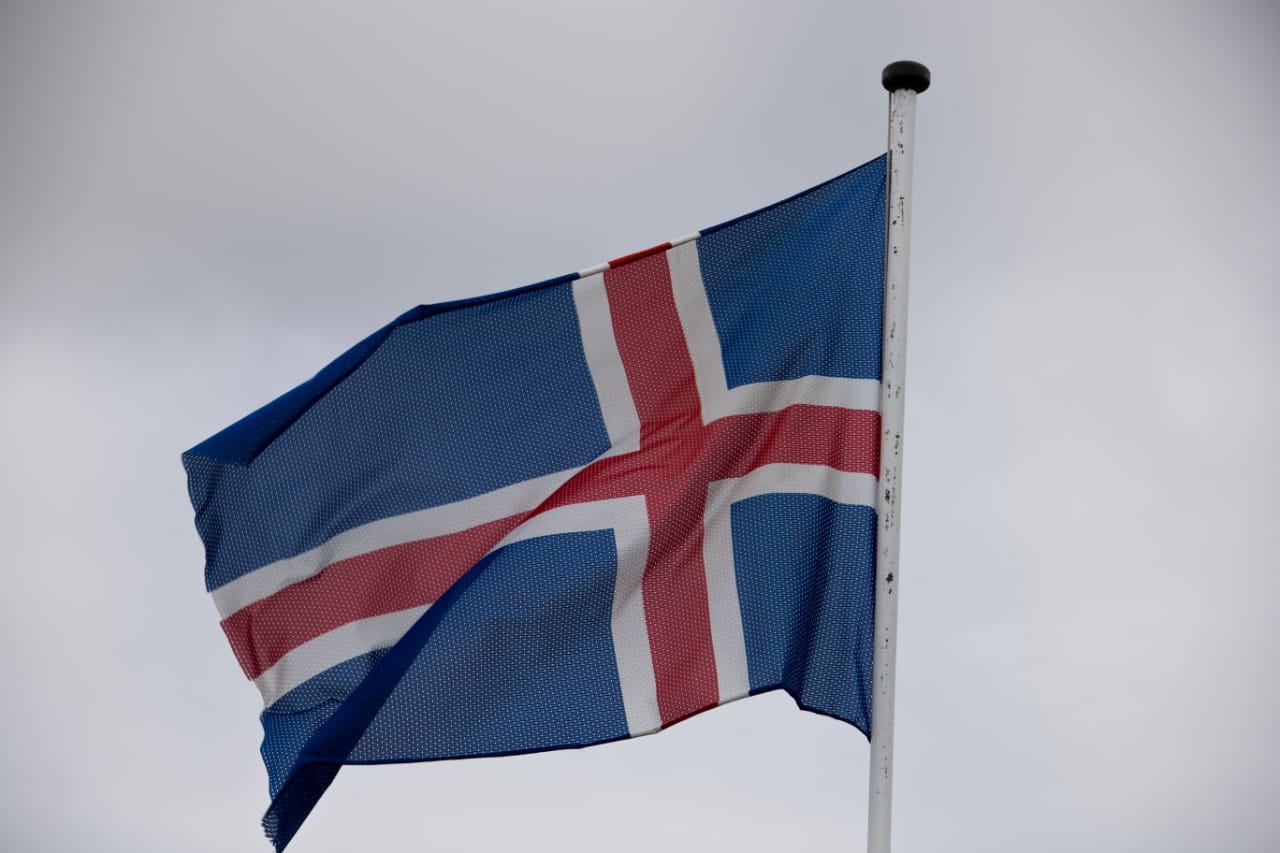
Broadcaster RUV reported that voters rejected the proposal in a referendum, siding with opponents who argued that Iceland's fishing waters and national sovereignty were too important to place at risk. The result represents a political setback for Prime Minister Kristrun Frostadottir's government, which had supported reopening negotiations.
The vote was not a referendum on joining the EU itself. Instead, it asked voters whether the government should resume accession negotiations that had been suspended years earlier. Any eventual membership agreement would still require a separate referendum.
Nevertheless, the outcome has wider strategic significance. Supporters of renewed negotiations argued that closer integration could improve economic stability, reduce borrowing costs and strengthen Iceland's security position at a time when geopolitical competition is increasing across the Arctic.
Opponents placed greater emphasis on national autonomy, particularly control over fisheries. Iceland's fishing industry remains economically and politically sensitive, making the management of maritime resources central to the country's debate over European integration.
The result also carries implications for the European Union. Some officials had viewed Iceland as a relatively straightforward candidate whose integration could strengthen the bloc's strategic position in the Arctic while demonstrating that EU enlargement remained viable.
Iceland first applied for EU membership in 2009 following the global financial crisis but suspended the process several years later. The renewed debate reflected changing circumstances, including Russia's war in Ukraine, Arctic security concerns and Iceland's position within the broader European security environment.
The referendum demonstrates that those strategic pressures have not overridden domestic concerns about sovereignty and economic control.
For Brussels, the result is another reminder that geopolitical alignment does not automatically translate into public support for institutional integration.
Aldrenor assessment: Iceland's rejection reinforces a broader European tension between strategic integration and national autonomy, with control over critical economic resources remaining a powerful constraint on political realignment.