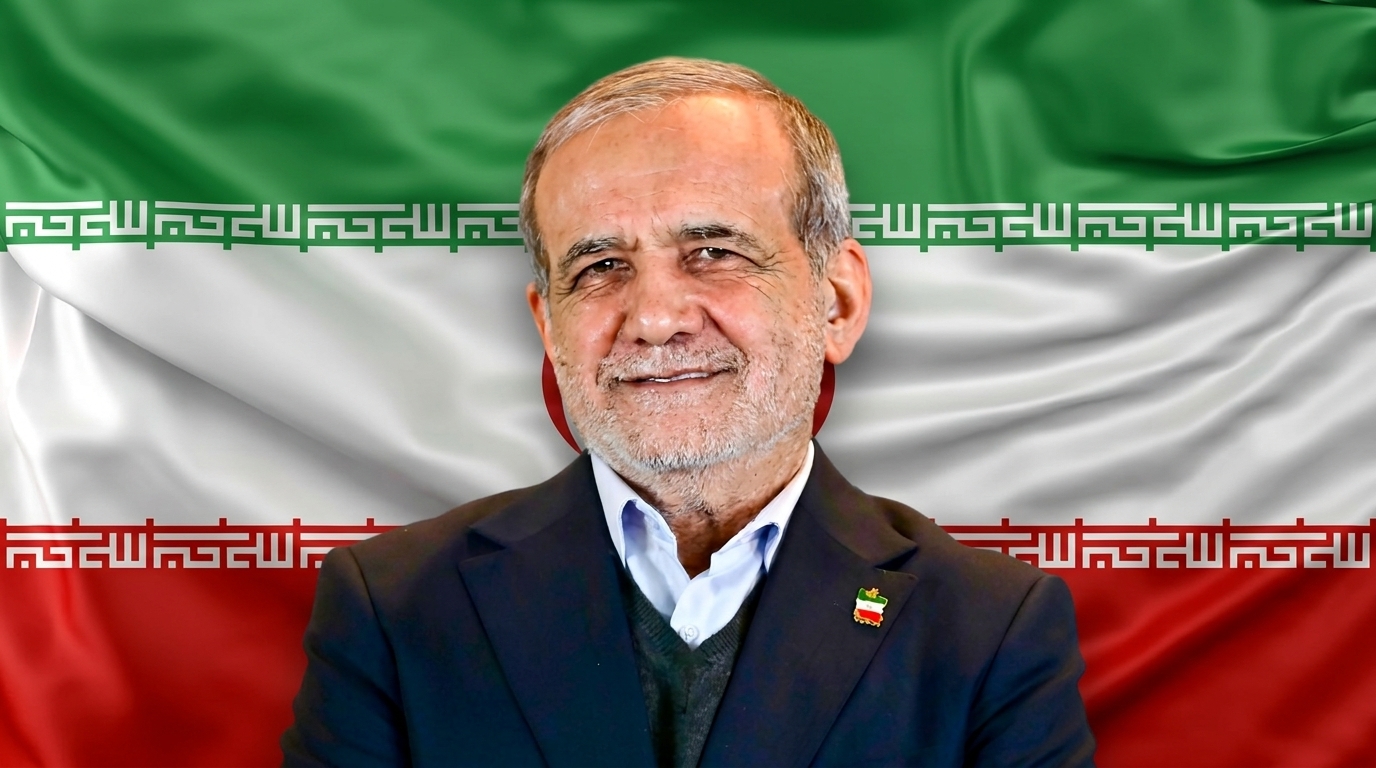
Iranian President Masoud Pezeshkian said Tehran would reciprocate immediately if the United States honoured its commitments under a memorandum of understanding agreed in June. His comments came after a US strike on Larak Island and Iranian attacks on two US military bases in Jordan.
The message represents both an opening and a warning. Tehran is presenting diplomacy as an available option while making clear that its willingness to cooperate is conditional on reciprocal action from Washington.
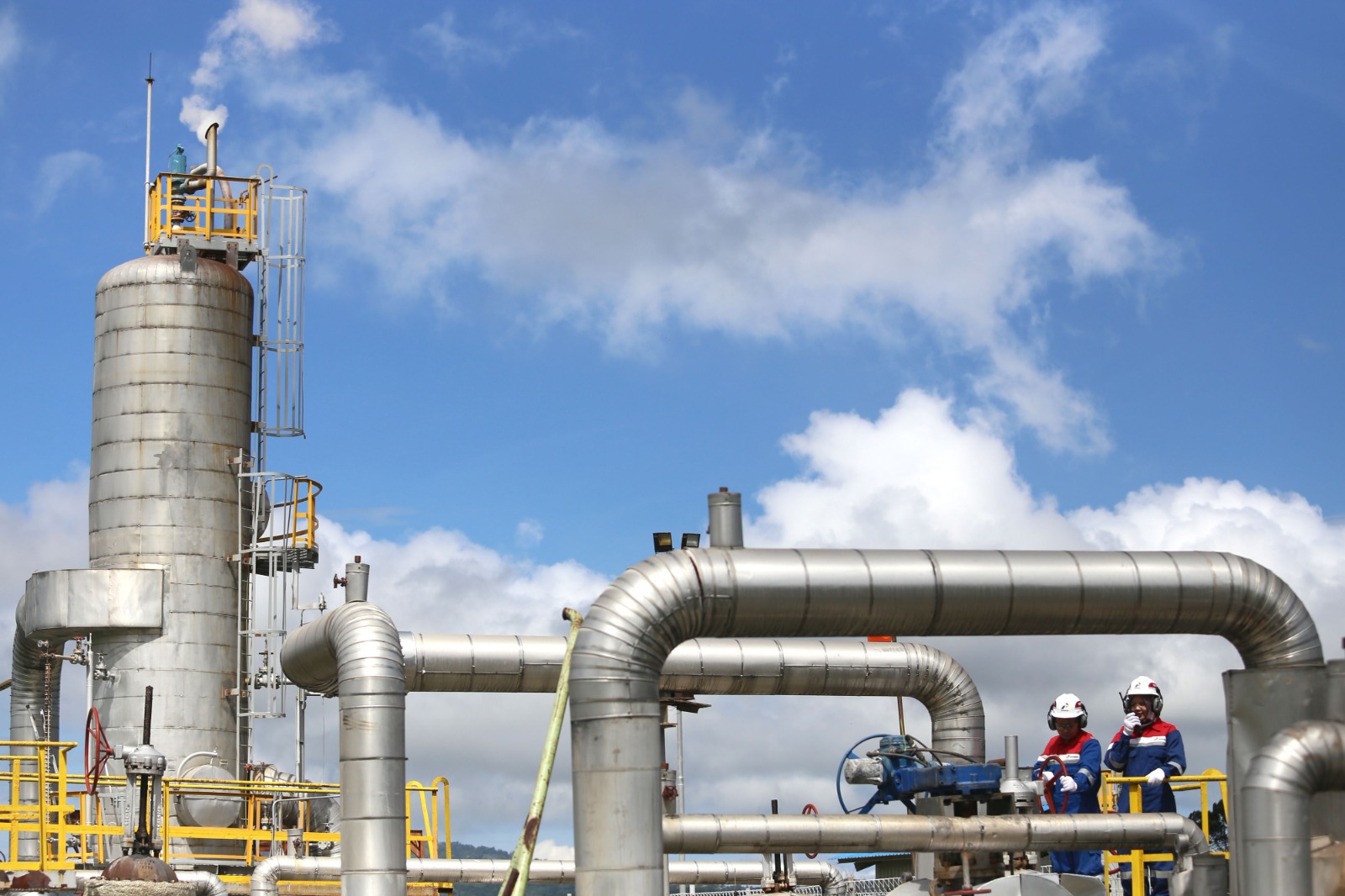
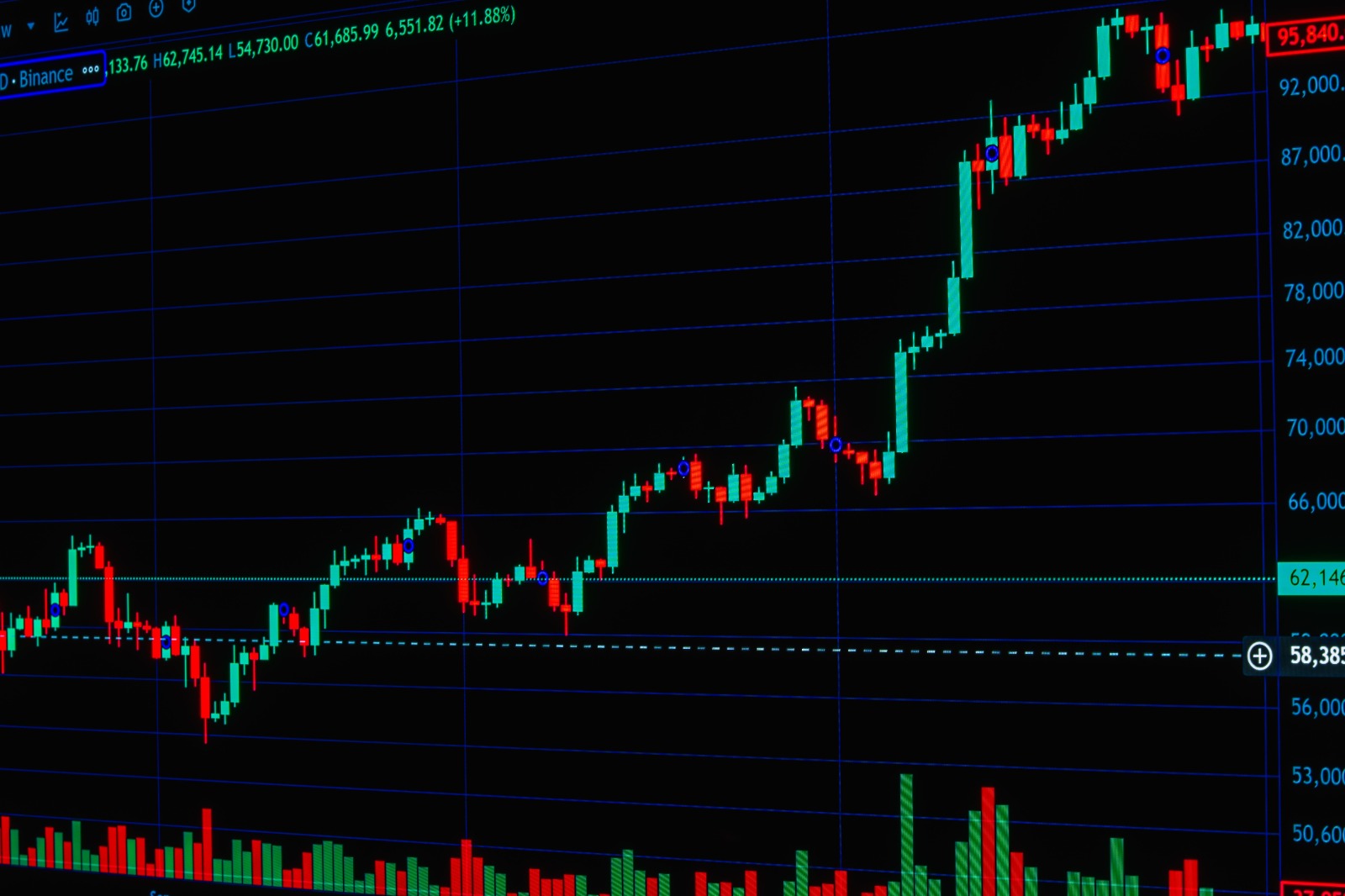
The Strait of Hormuz is central to that calculation. Pezeshkian indicated that Iran would ensure freedom of navigation through the strategic waterway if the United States complied with the agreement. That condition gives the diplomatic process direct significance for global energy markets, where fears of disruption have already pushed crude prices higher.
Washington, meanwhile, has maintained pressure while President Donald Trump has warned of a further response to Iran's attacks. The uncertainty has left markets attempting to assess whether the confrontation is moving towards a negotiated settlement or a deeper military escalation.
The immediate implications extend beyond the US and Iran. Gulf states face heightened security risks, while energy-importing economies must contend with potentially higher oil and shipping costs. European policymakers are also confronting renewed inflationary pressures linked to the conflict.
The diplomatic significance of Tehran's position therefore lies not simply in its wording, but in whether it creates a framework for restoring confidence between the two sides.
For markets, the distinction between a temporary confrontation and a prolonged conflict is critical. For governments, it is even more consequential: the longer the crisis remains unresolved, the greater the risk that energy disruption, military escalation and inflation become mutually reinforcing pressures on the global economy.