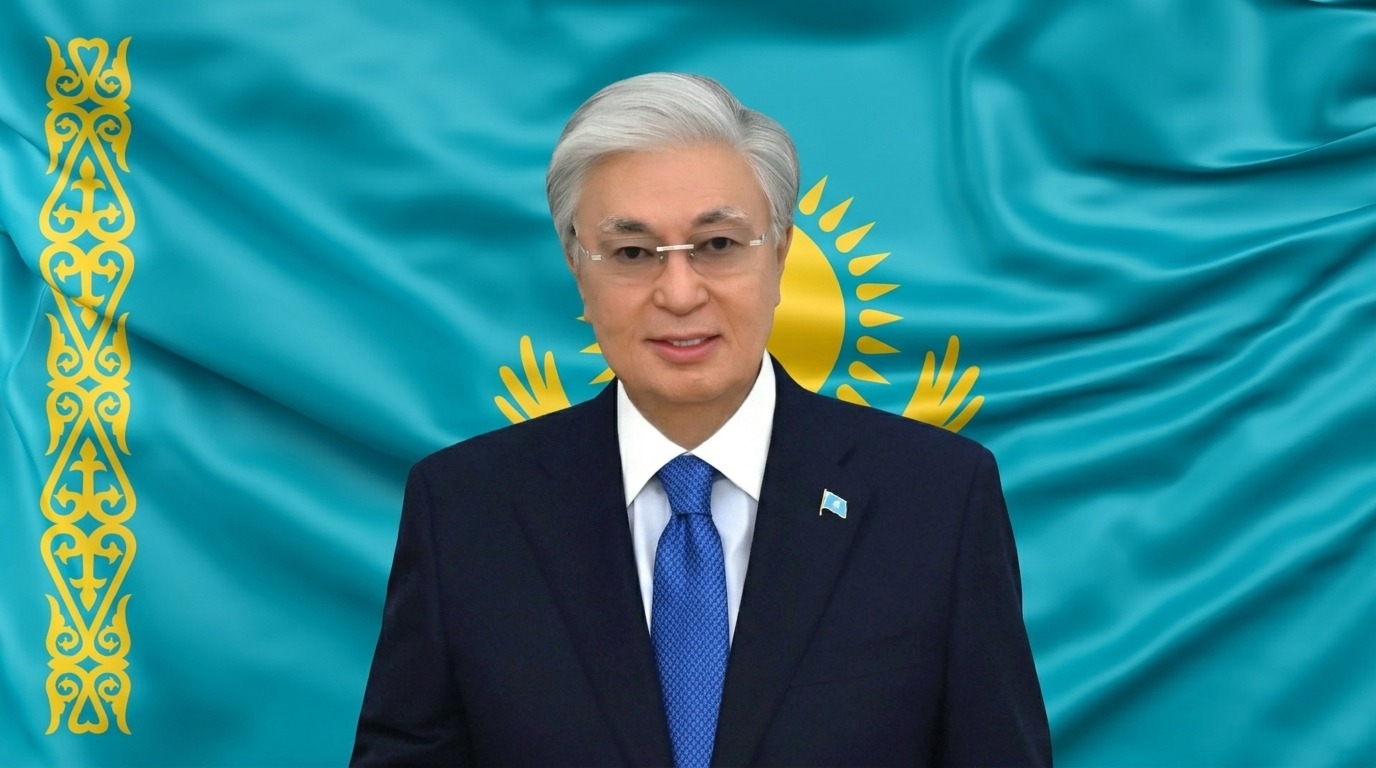
Tokayev appointed Karin on Monday to the newly created vice-presidential office, according to Reuters. Karin has served as a senior adviser to the president and has played an important role within Kazakhstan's political system.
The appointment matters beyond the formal restructuring of government. Kazakhstan occupies a strategically important position between Russia, China and Europe and is a major producer of oil, uranium and other critical commodities.
Its political stability therefore carries implications for regional energy security, trade routes and foreign investment.
Karin's elevation also adds a new figure to the upper levels of Kazakhstan's executive structure at a time when Tokayev has continued to reshape institutions following the political upheaval that shook the country in 2022.
The creation of the vice-presidential office could provide Tokayev with an additional mechanism for coordinating government policy and managing political succession.
For foreign investors, the key consideration will be whether the restructuring produces greater institutional stability or introduces additional uncertainty around the distribution of political authority.
Kazakhstan has sought to balance relationships with Moscow and Beijing while strengthening economic ties with Europe and other international partners. Maintaining that balance requires a stable political system capable of managing competing external interests.
Karin's background and proximity to the president make his appointment particularly relevant to observers assessing the direction of the administration.
Aldrenor Assessment: The appointment should be viewed as part of Kazakhstan's broader institutional evolution rather than simply a personnel change. The distribution of executive authority could influence the country's political trajectory and its strategic balancing between major powers.