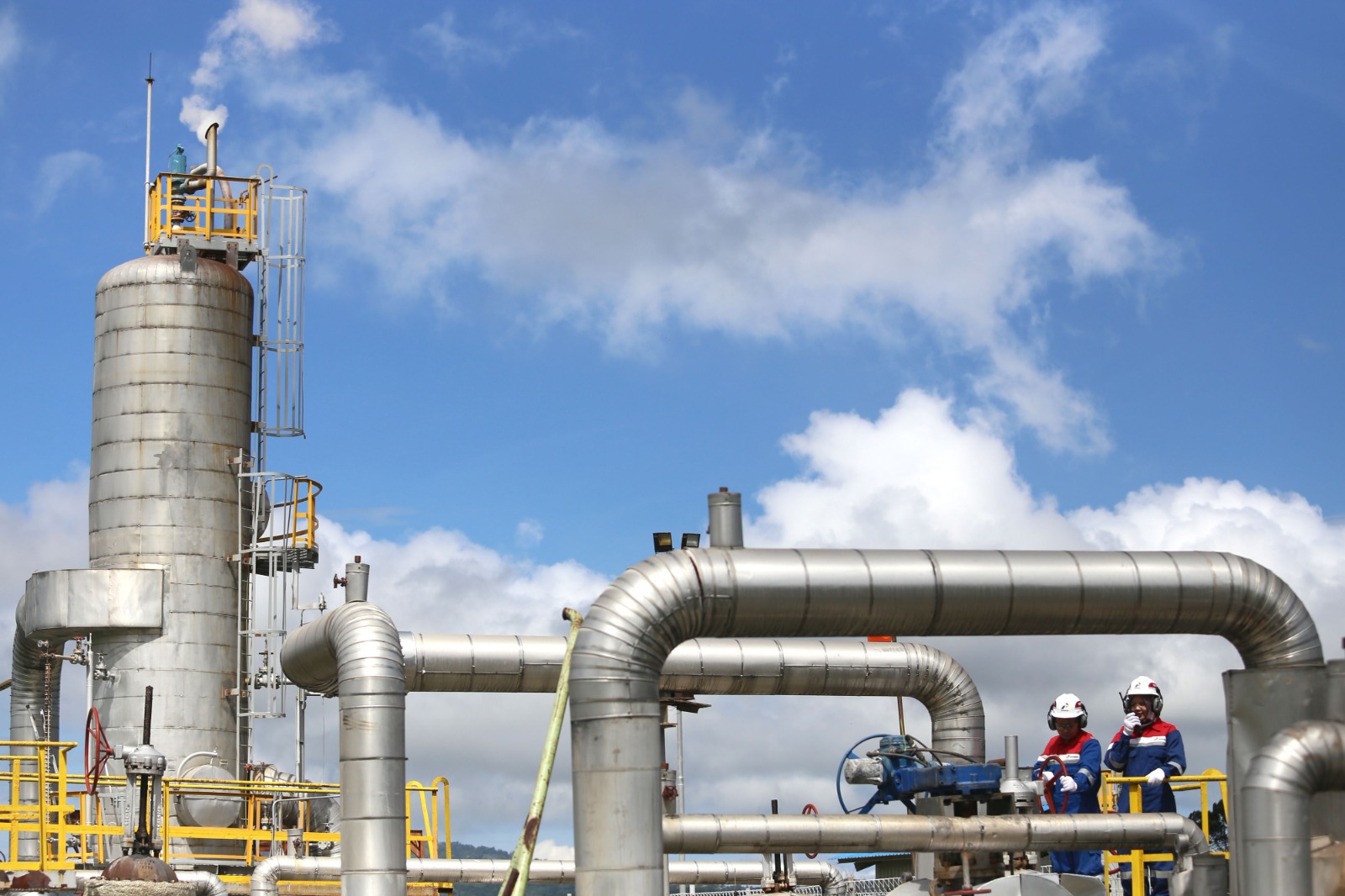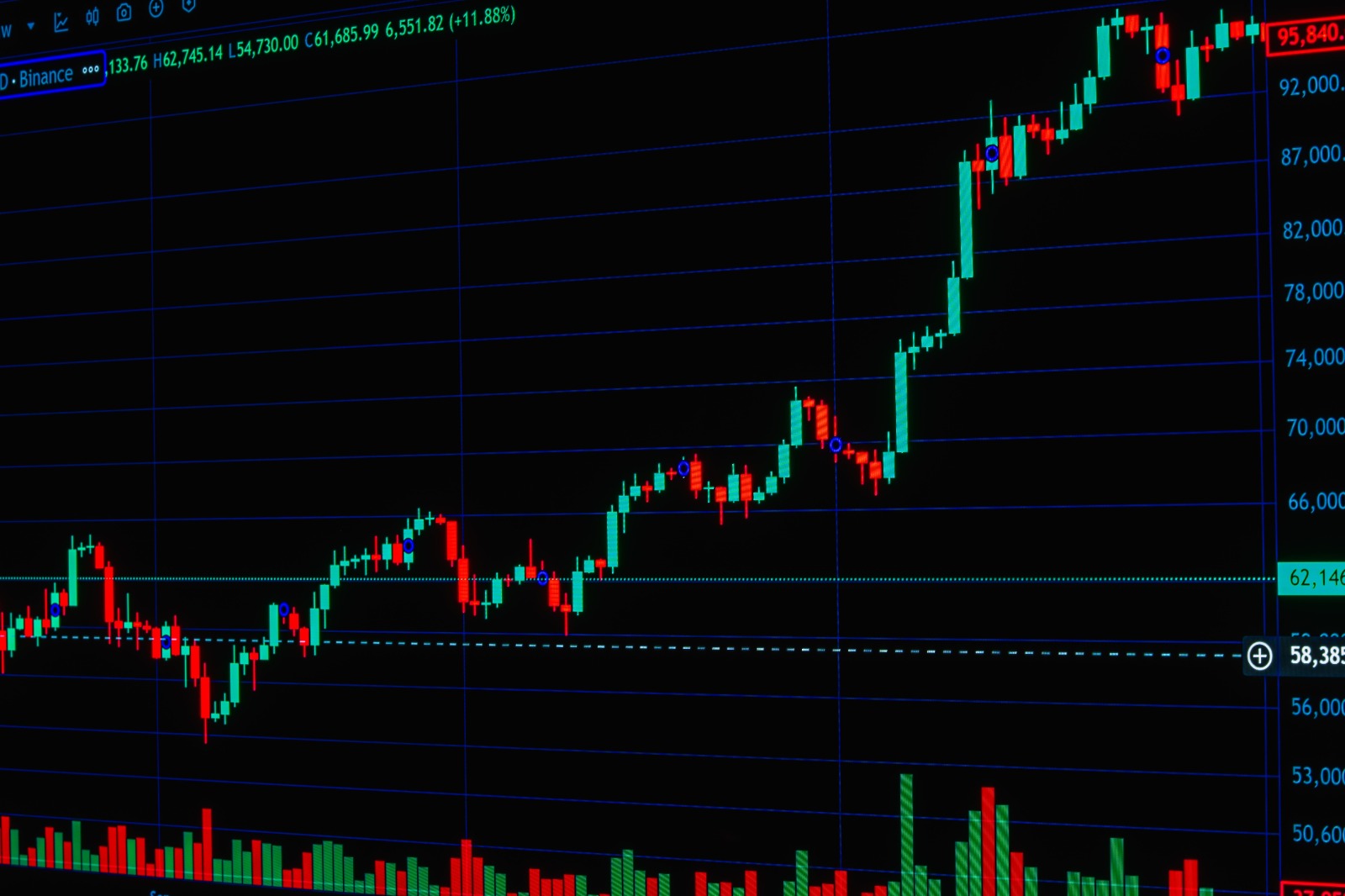

Brent crude was trading near one-month highs, having approached $95 a barrel during Friday's session. US West Texas Intermediate crude was also heading for a weekly increase.
The immediate driver is the continuing uncertainty around energy flows through the Gulf. Shipping through the Strait of Hormuz has fallen to only a handful of vessels a day, according to data reported by Reuters, highlighting the scale of disruption to one of the world's most important energy corridors.
The impact extends beyond crude producers. Refiners, airlines, shipping companies, manufacturers and logistics operators face higher operating costs if elevated energy prices persist. For consumers, sustained fuel inflation could also reduce disposable income and weaken demand.
The situation is particularly significant for Asian refiners. Iranian oil offers to Chinese buyers have declined sharply as the US blockade restricts Tehran's exports. Iranian shipments have fallen substantially from their 2025 average, while Chinese refiners have increasingly searched for alternative supplies from countries including Brazil and Iraq.
The disruption also creates complications for monetary policy. Higher fuel and transport costs can feed into consumer prices, potentially slowing the pace at which central banks can reduce interest rates.
For governments, the episode reinforces the economic value of diversified energy infrastructure. Strategic reserves, alternative import routes, domestic refining capacity and investment in non-fossil energy sources can reduce exposure to individual supply corridors.
For investors, the key question is whether the current price increase remains a temporary geopolitical premium or becomes embedded in inflation expectations and corporate costs.
The next indicators will include developments around the Strait of Hormuz, Iranian export volumes, sanctions enforcement and the response of major oil-consuming economies.