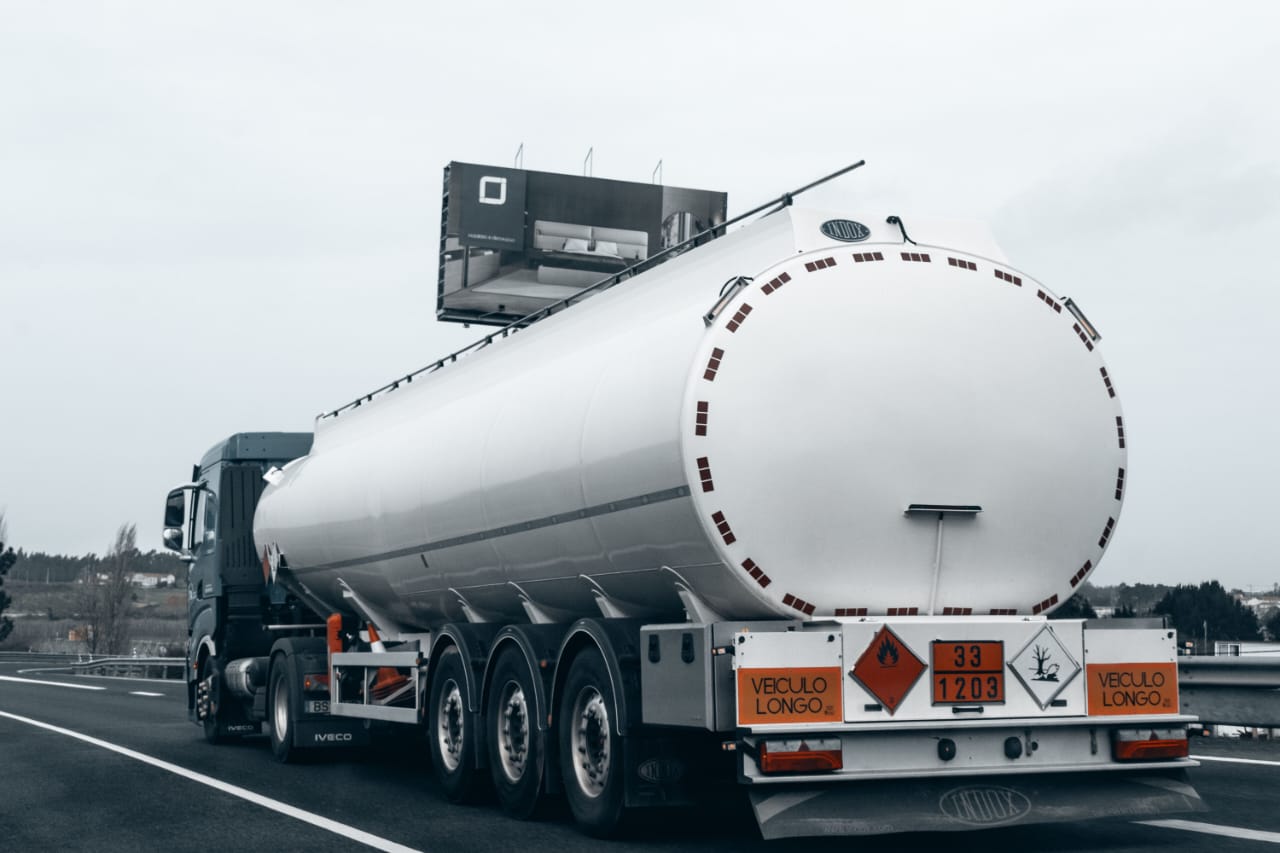
The latest measure extends an export ban covering diesel, marine fuel and gas oils produced by Russian refiners. The government has also maintained separate restrictions affecting gasoline and other petroleum products, reflecting growing concern over domestic availability.
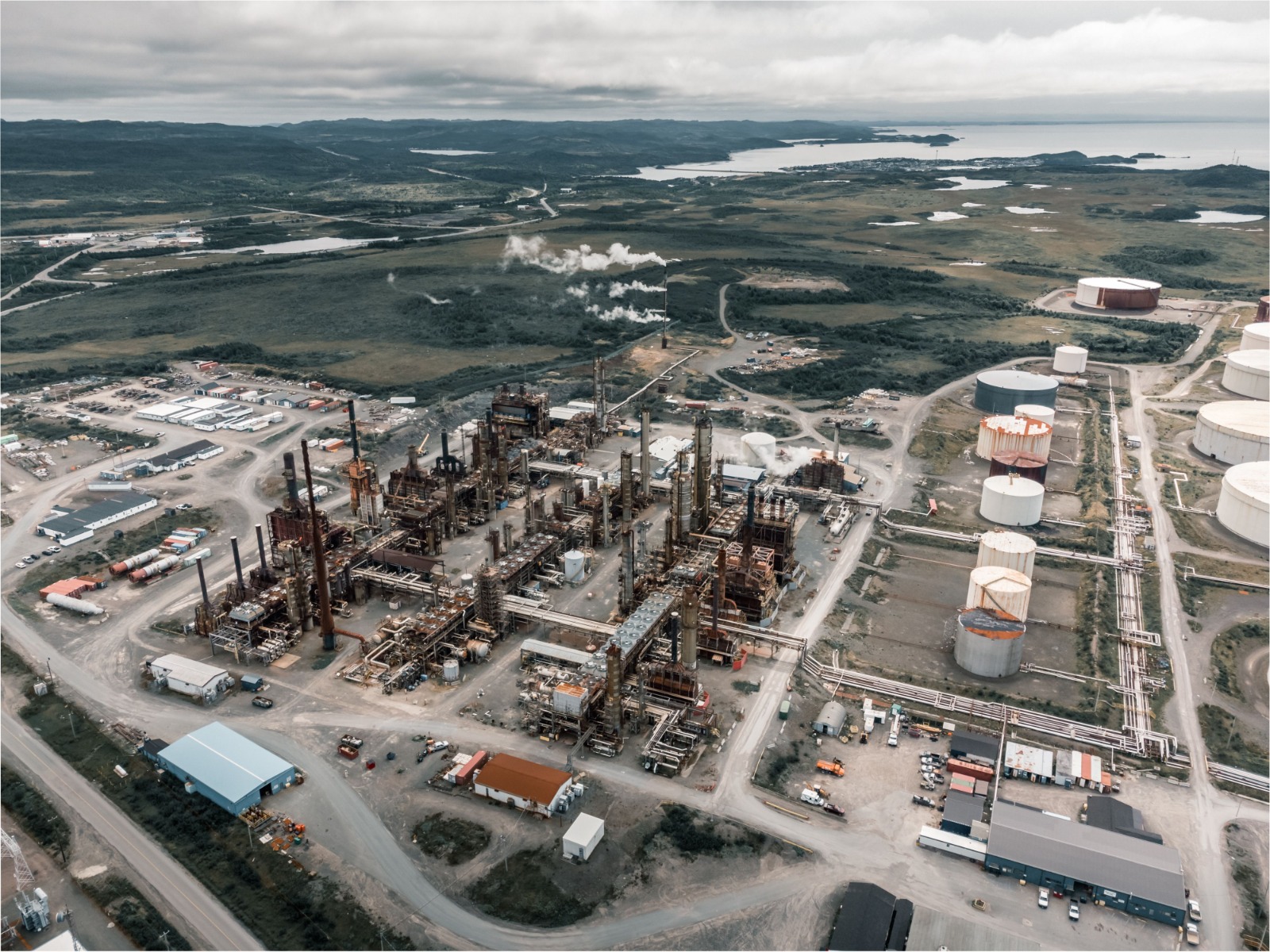
The decision comes after a series of Ukrainian drone attacks disrupted Russian refinery operations and intensified pressure on the domestic fuel market. Russia's refining system has become an increasingly important vulnerability as attacks target facilities responsible for converting crude oil into fuels required by the domestic economy.
Russia is one of the world's largest diesel exporters, making any prolonged reduction in exports relevant to international fuel markets. However, the immediate policy priority appears to be domestic stability rather than maintaining export volumes.
The restrictions illustrate the growing tension between Russia's position as a major energy exporter and its need to protect domestic supplies while its energy infrastructure remains exposed to wartime disruption.
The government's intervention also demonstrates how the conflict in Ukraine is increasingly affecting Russia's downstream energy system. Refinery outages do not necessarily reduce crude production directly, but they can create shortages of refined products, forcing authorities to redirect supplies and restrict exports.
For international markets, the consequences will depend on the duration and scale of the restrictions. A temporary extension may have limited impact if global supplies remain adequate. A prolonged disruption, however, could tighten regional diesel markets and increase price volatility.
The policy also has implications for Russia's fiscal position. Restrictions on exports can reduce foreign-currency earnings at a time when sanctions and the war are already placing pressure on government finances.
Moscow must therefore balance three objectives: protecting domestic consumers, maintaining energy-sector stability and preserving export revenues.
The extension suggests that domestic fuel security is currently taking precedence.
Aldrenor assessment: Russia's diesel restrictions demonstrate how attacks on energy infrastructure are translating into wider economic consequences, forcing Moscow to trade export earnings against domestic energy security.