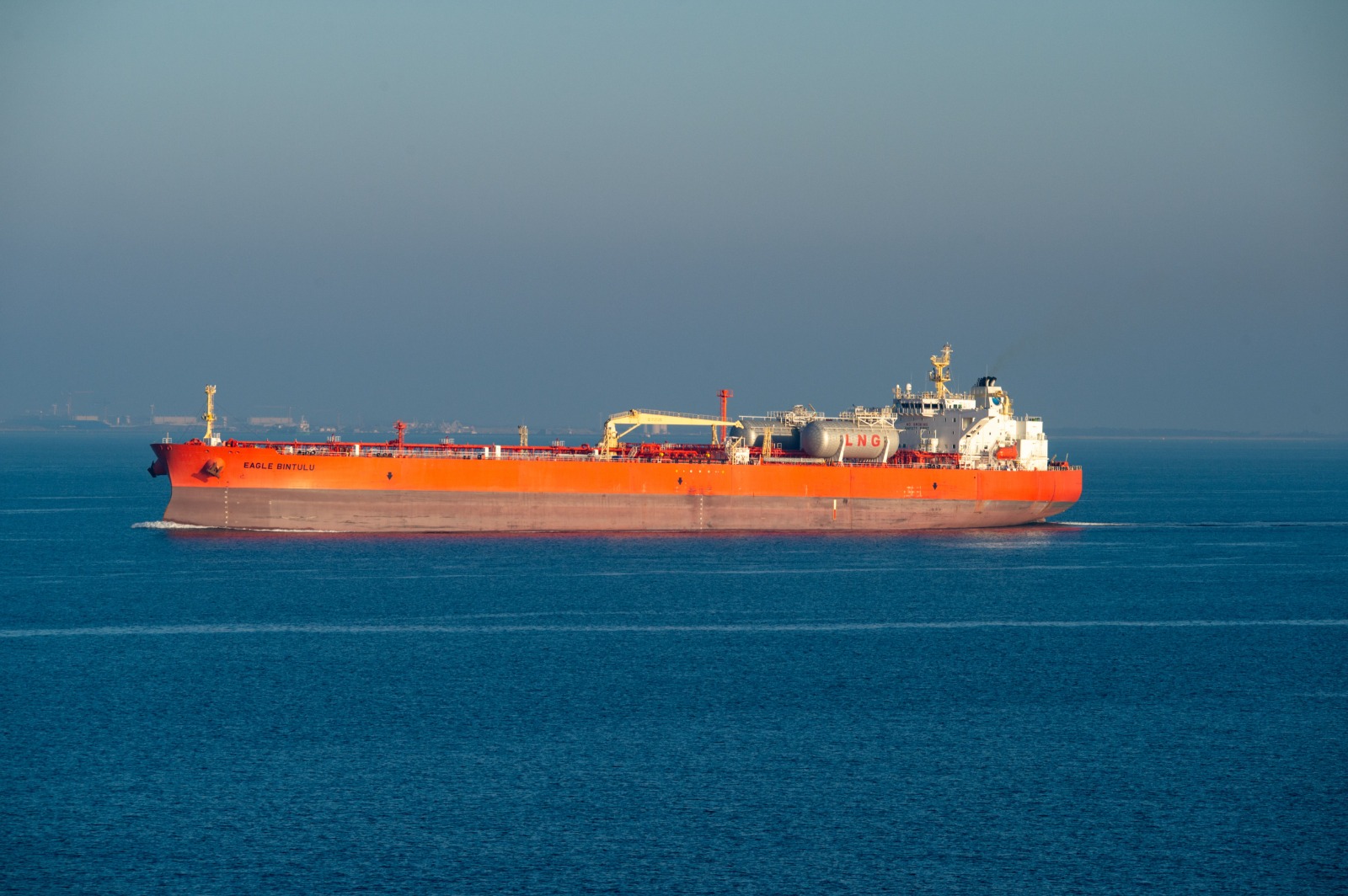
Mediators are pressing Tehran to establish conditions under which normal maritime traffic could resume. Reuters reported on Friday that Iran had agreed to draw up a list of conditions following discussions involving a Qatari emissary, as diplomatic efforts seek to secure freedom of navigation through the waterway.
The significance extends well beyond the immediate dispute. Hormuz has historically carried a substantial share of global oil and gas shipments, making its disruption a direct threat to energy security, shipping economics and inflation expectations. Although oil prices have recently moderated as markets assess the possibility of renewed negotiations, Brent crude remained close to $90 a barrel on Friday and was still heading for a weekly decline.
The emerging negotiations therefore carry two distinct implications. A credible reopening could reduce the geopolitical premium embedded in energy prices and ease pressure on import-dependent economies. But an arrangement that places new conditions, restrictions or costs on transit could leave global markets with a more fragmented energy system even after traffic resumes.
That prospect is already influencing investment decisions across the Gulf. Governments and state-backed investors are accelerating efforts to develop alternative export routes, ports and pipeline networks that reduce dependence on Hormuz.
The strategic question is consequently shifting from whether Hormuz can reopen to whether it can regain its previous role as an unquestioned artery of global energy trade.
For energy markets, that distinction matters. A reopening may restore short-term flows, but the infrastructure investment now being undertaken suggests the crisis has already changed how Gulf producers assess geopolitical vulnerability.
Aldrenor Assessment: The most consequential outcome may not be the reopening itself, but the emergence of a permanently more diversified Gulf energy network designed to reduce the strategic leverage of a single maritime chokepoint.